
Just like people, dogs need daily exercise to stay physically and mentally healthy. But how much is enough? And what types of activities actually count as “exercise”? Whether you’re raising a rowdy puppy, caring for a senior companion, or juggling life with a high-energy breed, finding the right balance is key. In this guide, we’ll walk you through everything you need to know about exercising your dog, from how much is appropriate to different ways to keep your pup active and happy.
Why is Exercise So Important for Dogs?
Exercise isn’t just about burning off energy (although that is one benefit). It plays a critical role in your dog’s overall well-being. Regular movement helps:
- Maintain a healthy weight
- Build and maintain muscle tone
- Promote heart and joint health
- Prevent boredom and destructive behavior
- Improve mental focus and reduce anxiety
So, How Much Exercise Does Your Dog Need? Step 1: Consider Their Age!
Puppies
A puppy’s bones are still soft and spongy (they aren’t as dense as adult dogs), their growth plates haven’t closed, and their bodies are continuing to develop. So, over-exercising puppies can negatively impact their musculoskeletal development. This is especially the case for large-breed puppies. In general, short, low-impact, controlled activity sessions each day are best for puppies. While there is no exact science to how much exercise your puppy needs each day, many veterinarians and canine experts recommend the five-minute rule. Basically, it means puppies need five minutes of exercise per month of age, up to twice a day. So, that would mean an exercise session for a three-month-old puppy should last a maximum of 15 minutes.
Adults
This is your dog’s prime! So, as your dog matures, you’ll work up to longer walks, hikes, and more challenging activities, like agility. Most adult dogs should get between 30 minutes and two hours of exercise every day.
Seniors
As adult dogs age into senior canines, they’ll still need daily movement. But not as much. Typically, senior dogs need about 30-60 minutes of exercise per day, broken into two or more activity sessions.

Step 2: Consider Your Dog’s Breed
Hunting, swimming, herding, and other working dog breeds – like Labrador Retrievers, German Shepherds, Huskies, and Border Collies – will require more exercise. Toy breeds – such as the Chihuahua and Maltese – don’t require quite as much. If you have a short-nosed breed – like a Pug or Bulldog – be mindful of exercise amount and intensity. These short-muzzled pups have impeded airflow, putting them at a higher risk of heat exhaustion and oxygen deprivation.
While I encourage you to consult with your veterinarian for your dog’s unique needs, here is a general guide:
| Breed Type | Energy Level | Daily Exercise Recommendation |
|---|---|---|
| Toy Breeds | Low to Moderate | 30–45 minutes of play and light walks |
| Hounds | Moderate | 60+ minutes, plus sniffing games |
| Herding & Working Breeds | High | 90–120 minutes with structured activity |
| Sporting Breeds | High | 60–90 minutes, often split into two sessions |
| Brachycephalic Breeds (e.g., Pugs, Bulldogs) | Low to Moderate | 20–30 minutes, with breaks and shade |
Is Your Dog Overworked?
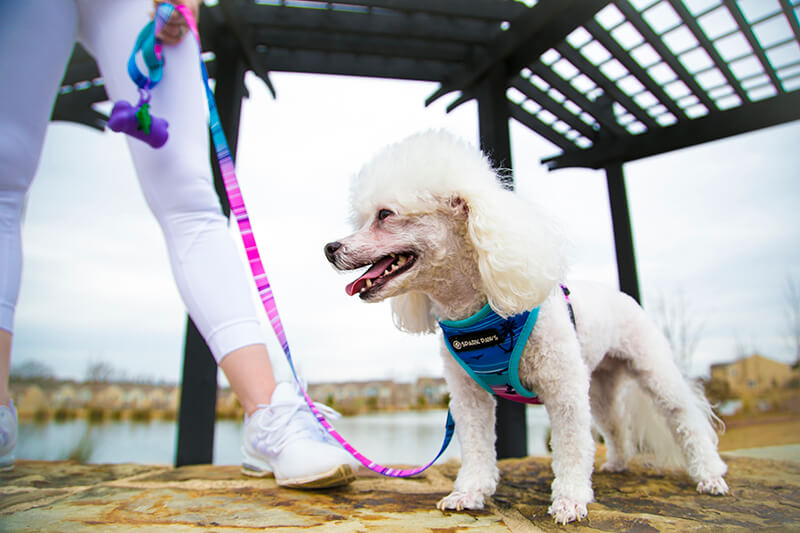
At the end of the day, every dog’s needs are unique. Keep an eye on your pup’s limits, watch for signs of tiredness, and never push them. Because, yes, there is such a thing as too much exercise—especially for puppies, seniors, and dogs with health issues. Keep an eye out for:
- Paw pad injuries
- Limping or stiffness
- Excessive panting or drooling
- Reluctance to move
- Irritability or fatigue
Don’t Forget About Mental Exercise
While daily walks are great, physical exercise alone isn’t enough. Dogs are incredibly intelligent and crave mental stimulation, too. Just like it sounds, it literally means you’re exercising your dog’s mind. Find out more about mental exercise HERE!
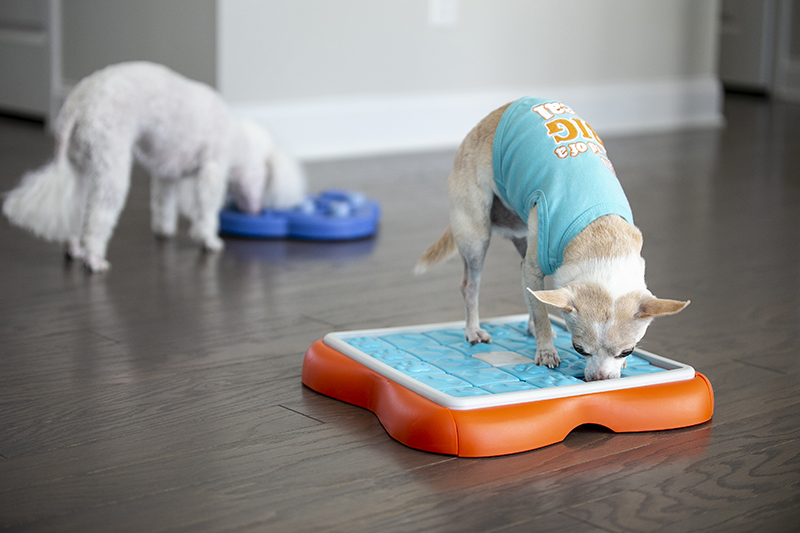
Meeting your dog’s exercise needs is one of the most rewarding parts of pet parenthood. When your pup’s body and mind are engaged, they’re happier, healthier, and better behaved. Whether it’s a walk around the neighborhood, a new puzzle toy, or a simple game of fetch in the backyard, every little bit counts. And remember—your dog doesn’t need perfection, just consistency.