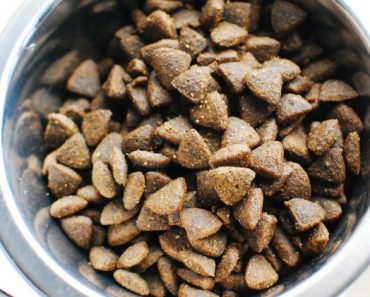

When it comes to our dog’s diet, one often overlooked yet highly beneficial component is organ meats. There’s a reason they’re called “nature’s multivitamin!” These nutritious meats will satisfy your dog’s taste buds and provide a wide array of essential nutrients. Read on as we delve into what organ meats are, the common types fed to dogs, their many benefits, and more!
What are Organ Meats?
When we talk about organ meats (AKA offal), we’re referring to the edible internal organs of an animal, such as cows, poultry, pigs, and lambs. Some of the most popular organ meats added to a dog’s diet include liver, heart, kidneys, lungs, spleen, tripe, and trachea.
Compared to popular cuts of muscle meat, organ meats are more densely packed with key nutrients. They’re a great source of various vitamins (like A, B, D, E and K), minerals (like phosphorus, iron, copper, magnesium and iodine), amino acids, and essential fatty acids. Their nutritional profiles make them an invaluable addition to your dog’s diet. According to Dr. Karen Becker, “Organ meats are a staple in your pet’s ancestral diet. In fact, your pet’s relatives in the wild obtain some of the essential nutrients they need from the internal organs of their prey.”

To take things one step further, there are two types of organ meats:
- Secreting Organs: Those involved in producing and secreting substances such as hormones, enzymes, and other vital compounds. Examples include the liver, kidney, pancreas, and spleen.
- Non-secreting Organs: Those that do not primarily produce or secrete substances but still offer valuable nutritional benefits. Examples include the heart and lungs.
Both secreting and non-secreting organs offer big benefits to our dogs. By rotating and varying organ meats in moderation, dog parents can help create a fulfilling and balanced diet that mimics the natural nutritional profile dogs would consume in the wild.
A Few Benefits
1. Nutritional Powerhouse
As I already mentioned above, organ meats are packed with essential nutrients. Now, here are some examples:
- Liver: This is one of the most talked about organ meats fed to dogs. Perhaps you add it to your homemade dog food, use it to top your pup’s kibble, or have a bag of dehydrated liver treats in your pantry right now! It’s high in protein, copper, iron, and zinc. Plus, it’s a good source of vitamin A and various B vitamins.
- Heart: This is considered one of the richest whole food sources of taurine, which is an essential part of your dog’s diet. It’s also a great source of CoQ10 and B vitamins.
- Kidneys: This organ is high in protein, vitamins B12 and D. It also touts key minerals like selenium and iron. According to Dr. Karen Becker, “…one of the most important compounds found in the kidneys is diamine oxidase (DAO), an enzyme that metabolizes histamine and prevents its buildup in your pet’s body. Histamine buildup can cause symptoms similar to allergies, such as itching and redness.”
- Spleen: Provides high levels of vitamins D, K, A, and E, as well as iron and zinc.

2. Supports Vital Organ Function
Each organ meat provides different nutrients that support the healthy function of your dog’s vital organs, such as their liver, heart, kidneys, and lungs.
3. Boosts Immune System
The rich content of vitamins, minerals, and antioxidants in organ meats strengthens the immune system, helping dogs fight off infections and diseases.
4. Supports Muscle Health
High-quality proteins and amino acids in organ meats support muscle growth, repair, and maintenance, contributing to overall muscle health and strength.
5. Aids Skin and Coat Health
Most organ meats are an excellent source of collagen, which benefits the skin and hair. Plus, the antioxidants also help protect skin cells from oxidative stress.
How to Feed Organ Meats to Your Dog
Organ meats can be fed in many ways. If you feed your dog a raw food diet then you can easily incorporate bite-sized pieces of raw organ meats into your pup’s bowl. If you feed gently cooked fresh food, feel free to cook them up – plain, without any seasoning. The simplest way to cook organ meats is by boiling them in water.
Speaking of organ meats in dog food …. Do you feed a commercial dog food where organ meats are already listed on the ingredient label? If so, the fresh dog food company Ollie warns: “Terms like ‘made with organ meat’ are vague at best and misleading at worst. You want the names of those prime organ meats listed individually.” On their website, their team goes on to say: “If you see ‘organ meat’ on commercial dog food packaging, this can be used as a marketing term, standing in for less nutritionally dense visceral and skeletal organ meats like intestines and neck meat.”
In addition to enhancing the quality of your dog’s main meals (when sourced and prepared well), these meats also make excellent treats. One peek down the treat aisle of your local pet store and you’ll likely see freeze-dried and dehydrated liver, heart, etc. If you’re interested in making your own organ meat treats then check out these recipes:
But Moderation is Key
While organ meats offer numerous benefits, moderation is crucial. Excessive consumption, especially of liver, can lead to vitamin A toxicity. As a general guideline, organ meats should make up no more than 10% of your dog’s total diet. However, consult with your veterinarian to determine the appropriate serving size for your dog based on their size, breed, lifestyle, and overall health.
Where to Find Organ Meats
Beef/chicken/lamb liver, heart, and kidneys are usually easy to find. Some grocery stores stock organ meats in the freezer section. If you don’t see them, ask the store’s butcher. Speaking of the butcher, your local butcher shop should be able to provide a wide variety of fresh organ meats. Just ask!