

As the crisp air of fall sets in, it’s the perfect time to indulge in the warm, cozy flavors of the season. But, as a dog parent, it’s natural to wonder if your pup can enjoy the flavorful fun too. While some popular fall spices are safe for dogs to enjoy in moderation, others can be toxic and should be avoided. Let’s dive into which popular fall spices you can safely share with your furry friend and which ones to keep far away from their paws.
Dog-Safe Fall Spices
Cinnamon
Cinnamon is a quintessential fall spice. And, the good news: It’s non-toxic to dogs. Cinnamon is generally considered safe for our furry family members, as long as it’s fed in the correct form and small amounts. A light sprinkle of ground cinnamon in your dog’s treats or mixed into some food is completely fine. In fact, it may even be beneficial, since cinnamon touts anti-inflammatory properties, anti-fungal properties, and antioxidants! However, avoid feeding cinnamon sticks or cinnamon essential oils. For more tips on how to safely offer your dog cinnamon, check out our full article HERE.

Ginger
Ginger is a super spice that’s been used for its medicinal purposes for nearly 2,000 years. Just like with humans, it can help soothe a dog’s upset stomach. Many people give it to their dogs as a natural nausea relief. According to Dogs Naturally Magazine, “One study compared ginger to a common nausea drug – dimenhydrinate (Dramamine). It was as effective as dimenhydrinate in humans and had fewer side effects. Veterinarians also prescribe this same drug to dogs to treat nausea and motion sickness. Ginger’s anti-nausea effect is because of gingerol and shogaol. These compounds give ginger its taste and help speed up the digestive process.” Ginger may also help ease your dog’s motion sickness. Along with aiding digestion, ginger has anti-inflammatory and anti-cancer properties!
Fresh or powdered ginger is safe for dogs when given in small amounts. According to Preventative Vet, “Dogs can eat raw ginger, but never give more than ¼ to 1 teaspoon of raw ginger based on the size of your dog. For example, small dogs up to 10 lbs can give up to 1/4 tsp/day maximum.”
Turmeric
Turmeric is a vibrant yellow spice that’s been used for its medicinal purposes for centuries. Its powerful anti-inflammatory properties are believed to be a result of the bioactive ingredient curcumin (not to be confused with cumin). Researchers compare curcumin’s effects to anti-inflammatory drugs, ibuprofen, and aspirin. The best part? Turmeric is 100% natural and great for dogs. Keep in mind, though, a little goes a long way! Add a sprinkle to your dog’s homemade dog treats or directly to their food bowl. Another way to incorporate it into your dog’s diet? Make “golden paste” by combining turmeric with a healthy fat like coconut oil to increase its absorption. Here’s a great recipe featured on Dogs Naturally.

Parsley
While not a traditional “spice,” parsley is a common herb used in fall dishes and is safe for dogs. Rich in chlorophyll, parsley can help neutralize odors, making it a great addition for dogs prone to bad breath. Plus, this herb contains powerful antioxidants that can combat inflammation and support overall well-being.
Another notable benefit of parsley is its mild diuretic properties, which can aid in flushing out toxins and promoting healthy kidney function. This makes parsley helpful for dogs who may need extra kidney support or those prone to urinary issues. However, it’s important to note that flat-leaf (Italian) parsley should be avoided in large quantities, as it can cause complications for dogs, especially those with existing kidney problems. The curly variety is the safer option!
Other Fall Herbs
In addition to parsley, there are several other fall herbs that are safe for dogs … and healthy when used in moderation. They include thyme, rosemary, and basil. Again, while these herbs can offer benefits, they should always be given in moderation. Large amounts or too frequent use of any herb can lead to digestive issues. Always consult your veterinarian before adding new herbs to your dog’s diet, especially if your dog has any existing health conditions.
Toxic Fall Spices for Dogs
Nutmeg
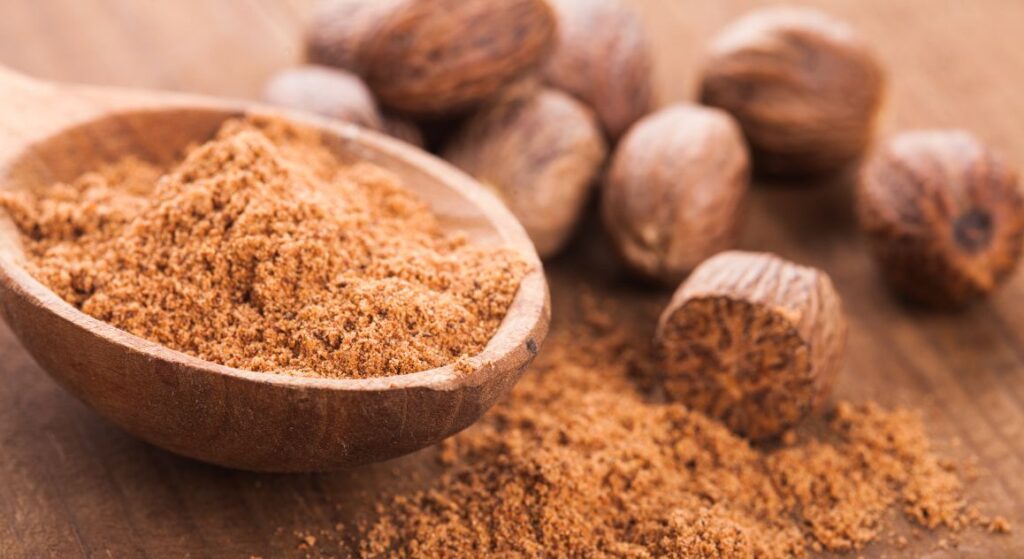
Nutmeg is a common ingredient in many fall treats (baked for people), but it’s highly toxic to dogs. It contains a compound called myristicin, which can cause severe symptoms like hallucinations, increased heart rate, disorientation, and seizures. Even a small amount of nutmeg can be dangerous for dogs, so keep pumpkin spice lattes and nutmeg-laced baked goods out of reach!
Allspice
Allspice contains eugenol, which is toxic to dogs. Ingesting allspice can cause symptoms like vomiting, diarrhea, and even liver toxicity in severe cases. This spice is often found in fall desserts and savory dishes, so be cautious. Ensure your dog doesn’t come into contact with any foods containing allspice, particularly during holiday cooking.
Cloves
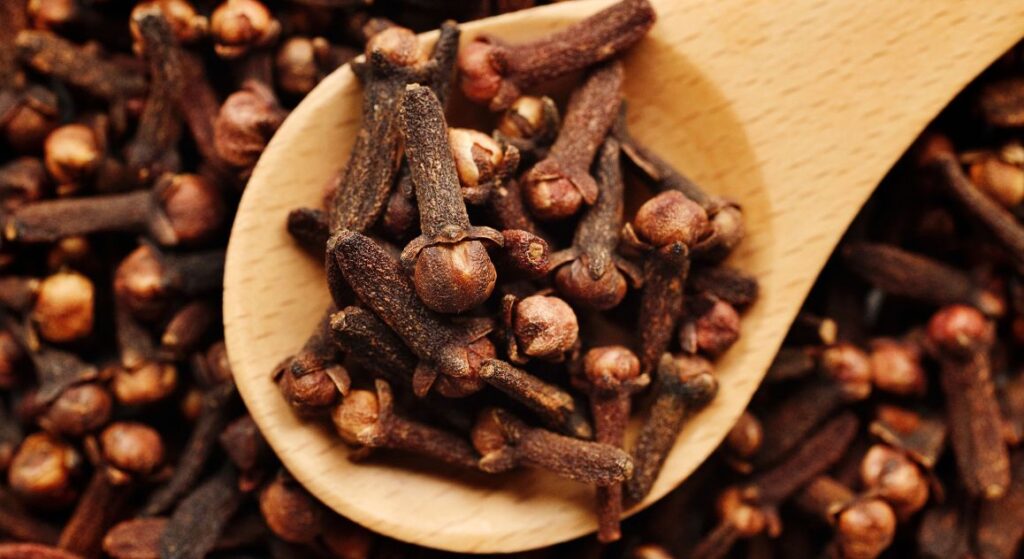
Cloves, like allspice, contain eugenol, making them toxic to dogs. Clove poisoning can lead to gastrointestinal upset, liver issues, and in severe cases, organ failure. It’s often used in mulled drinks and baked goods, so be mindful during fall celebrations. Always keep clove-spiced dishes and drinks away from your dog.
Pumpkin Pie Spice
Since it typically contains nutmeg, allspice, and cloves, avoid adding pumpkin pie spice to your dog’s treats or food.
Did Your Dog Eat Something They Shouldn’t Have?
If your regular vet’s office is open, call them immediately. If it’s after hours, call your local emergency vet or the Pet Poison Helpline (855-764-7661). The Pet Poison Helpline is available 24/7. A $85 incident fee applies.