

Have you ever considered opening up your home to a foster dog in need? I recently asked my Instagram followers what type of dog-related reads they would like to see more of here on Proud Dog Mom and I quickly saw a trend in answers: Fostering! So, I immediately reached out to Rachel Fusaro, a popular dog vlogger (she just hit over 100,000 subscribers on YouTube) who is wildly passionate about pet health, animal welfare, and, you guessed it, fostering!
Rachel has fostered animals her entire life, caring for more than 60 pups in search of a forever home. She’s even worked with rescue groups, helping to place foster animals with other caring families. You can watch my entire interview with Rachel in the video above (as you scroll, it should also stick to the bottom or side of your screen). Below, I’ve also shared some highlights from our chat.
First Steps
“The way you can get involved in fostering is just reaching out to a local rescue group, shelter, humane society, pounds, etc. A lot of times they’ll have information on their website – it’s under the volunteer section,” said Rachel.
Rachel shared the application process for fostering is very similar to doggy adoption. They’ll want to know if you have:
- Experience with dogs
- Any other animals in the house
- A fenced yard
During the application process, Rachel stressed, “Understand that these shelters, rescue groups, humane societies, they’re mostly run by volunteers. So, I hear a lot of people say, ‘Hey, I reached out to three different rescue groups and nobody got back to me.’ You have to understand that these people are doing this in addition to their full-time job, like I did. Plus, many of them have kids and families. You have to be persistent in the beginning.”
Your First Foster
Since I’ve never fostered, going into my interview with Rachel, I was curious about the entire process. Once someone is officially an approved foster, are they given access to a database where they can choose which dog they’re most interested in? Or does the shelter place a dog with you?
Rachel’s pro tip: “In the very beginning, if possible, be very open to just take whatever the need is. Almost prove yourself a little bit.” She went on to say, “Be empathetic to what (rescue groups) have to manage. They have people coming in and out, and falling out on commitments. It can be really tough and there’s a lot of passion fatigue.”
“As you get more involved in the group, they learn what works for you. By the time I was nine months into it, we’d see lists of dogs come in and I’d be like, ‘I’m going to foster that one.’“
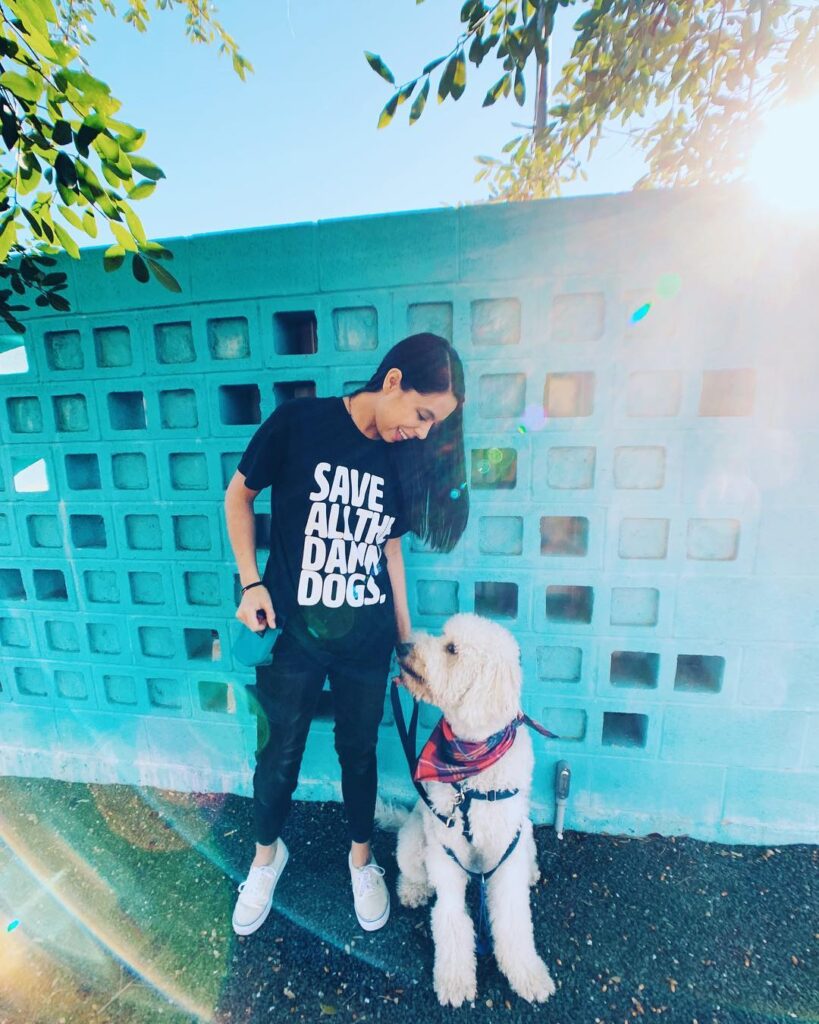
If you ask Rachel, it’s really all about getting dogs out of the shelter and into a caring home. That’s why her mission is to #SaveAllTheDamnDogs
Let’s Talk Cost
I always like to joke that my two dogs, Diego and Gigi, are little money suckers. Between pet supplies (like food, a crate, and stimulating toys) and medical bills, if you’ve ever raised a dog before then you know they can get pretty expensive. But, Rachel says cost shouldn’t stop you from becoming a foster dog parent.
“Every rescue group I’ve worked with, we’ve always supplied whatever was needed,” she said.
In terms of daily essentials, this includes:
- Collars
- Leashes
- Crate
- Toys (sometimes)
- Food (usually)
Rachel said, “Three of the rescues I volunteered with had Amazon wishlists for the rescue. You would, as a volunteer, reach out to the group and say, ‘Hey these are the items that would be helpful for me.’ And then people would donate and send them.
As for vet and medical bills, that’s also covered. Rachel said, “All their medicine (whether it be any long term medicine, flea, or tick), vaccines, of course, all of that… A lot of times you’re dealing with a recently spayed or neutered dog, or if there’s an illness that they’re going through, all that’s covered.”
Your Responsibilities as a Foster
Rachel says fostering is less about money and more about providing care and stability.
“When you’re fostering a rescue dog, your job is to bring them home and rehab them, both mentally and physically. You literally just give them a safe space. Because when dogs are in shelters or on the street, they’re not at their best. When you give them a home, they’re able to relax and come into their own. It’s more about providing care, attention, structure, and routine.
Rachel said it takes a while for some rescue dogs to come out of their shell. But, for each dog she cares for, she always puts a huge emphasis on training.
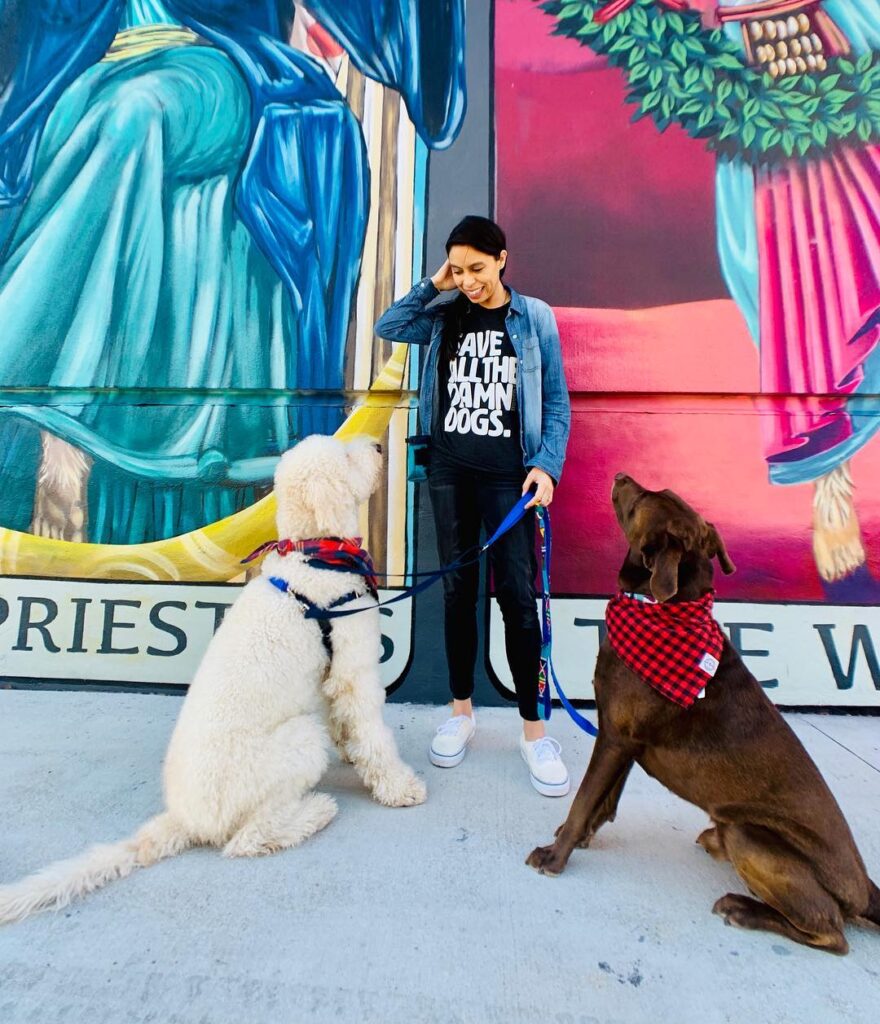
“To me, that’s probably the best thing you can do for them. And I’m not meaning you need to teach them silly tricks. But day one a foster comes home and I’m showing them where they go potty, and I’m rewarding that with positive reinforcement, treats, play, or praise.” She continued, “When I feed them meals, I’m working with them on basic sits and downs.”
Working with your foster on basic training and commands helps to build your bond and provide the structure many of them are lacking.
“A dog’s best chance of not being returned once they’re adopted from you to a forever family is if they have some basic manners. So that’s really important that we start working with them right away.”
More on Training: You’re Not In It Alone
As I started really understanding the importance of training foster dogs, it made me question: Should temporary pet parents take their canine companions to obedience classes?
“Actually, we had a lot of dog trainers locally — for two of the rescues that I worked with — that would give free classes to volunteers that were fostering. So, as long as the dog was healthy, couldn’t contaminate other dogs, and had vaccines, local dog trainers would say, ‘Hey, if you’re fostering a dog, you can bring your foster dog to this class or to the whole series for free.’
What I always told my volunteers was to reach out to trainers around you, let them know you’re fostering a dog that’s really having issues, and a lot of times they’ll do discounted classes or free classes.”
Ask your local rescue for a list of trainer recommendations.
Fostering Isn’t Always Easy, But It’s Worth It
Toward the end of our conversation, Rachel offered even more wonderful advice: Don’t get discouraged.
“When I was the foster coordinator, people would want to go foster, after foster, after foster. And I wouldn’t let them. I would say, ‘Okay, you got one. Now take a week break and then we’ll give you another.’ Take a week break, because all it takes for many is just that one really challenging dog and then people want to give up. Understandably, because it’s really tough. Maybe they had accidents around the house. Take your time and don’t rush it, and just understand that you’re going to get better and it will get better.”
She also tells people to look beyond that fear of one day having to say goodbye.
“The number one question I get is, ‘How do you say goodbye? How can I have a dog in my house for a year, a month, or even a week and say goodbye?’ I just encourage you to remember: That feeling you’re feeling for your current foster dog, you’re going to feel for the next dog. And if you don’t go foster that next dog then there’s just one less dog you’re able to help. You will get through it… It will always be sad, but it won’t be goodbye forever. I would say over half the dogs I’ve fostered, I’m still in contact with. So, it’s doable, and the cause is incredibly worth it and much needed.”
Connect with Rachel Fusaro
Want to help your local animal shelter? See six creative ways you can get involved and make a difference.