Dangerous preservatives, questionable by-products, and cheap fillers … oh my! Have you ever read through the ingredient labels of your store-bought dog treats? Many popular treats contain questionable – and downright dangerous – ingredients. This was something my family and I had no clue about until we had a couple of health scares and started digging into dog nutrition. I stopped feeding commercial dog treats about seven years ago and now exclusively bake homemade snacks for my furbabies.
Red-Flag Ingredients to Avoid In Store-Bought Treats
Before we dig into the list of store-bought treats I avoid, let’s take a look at some red-flag ingredients commonly found in dog food products.
Artificial Preservitives
- Butylated-Hydroxyanisole (BHA) – A synthetic preservative used to prevent fats and oils from spoiling, extending shelf life. The U.S. Department of Health and Human Services National Toxicology Program have both linked BHA to cancer. The preservative consistently produces tumors in laboratory animals.
- Butylated-Hydroxytoluene (BHT) – The World Health Organization has named both BHA and BHT as suspicious cancer-causing compounds.
- Propylene Glycol – Synthetic liquid substance used to reduce moisture and prevent bacterial growth. The FDA has banned Propylene Glycol in cat treats because it can cause Heinz body anemia in felines, a serious blood disease that harms the red blood cells. The FDA says Propylene Glycol is Generally Recognized As Safe (GRAD) for canines. While labeled okay for dogs, propylene glycol is still considered toxic to dogs at certain levels.
- Ethoxyquin – Used as a preservative and a pesticide. It’s also used as a hardening agent for making synthetic rubber. It’s been banned from use in human foods because it’s believed to cause cancer, however, it’s still seen in dog food products.
- Tertiary Butylhydroquinone (TBHQ) – Studies have found that prolonged exposure can lead to cancer.
Cheap Fillers
- Meat By-Product – Includes what’s left over from an animal carcass once the meat is removed, such as eyes, hooves, feet, beaks, feathers, and hair. One of the main concerns: Nutritional inconsistency and you never know what your pup is getting.
- Meat Meal – Vague and unidentified meat means unknown source and unknown quality.
- Cheap Fat Sources Listed in a Non-Discrete Manner – Low quality and questionable sourcing.
- Corn syrup and sugar – Can lead to weight gain, diabetes, tooth decay, hyperactivity, and behavioral problems.
- Corn & Corn Gluten Meal– A cheap filler and known allergen.
- Soy – Poor quality filler often used to boost protein content. Soy is estrogenic and known to harm a dog’s endocrine system.
- Artificial Colors/Flavors – Linked to some serious health conditions, such as cancer, hyperactivity, etc.
10 Store-Bought Treats I Will Never Feed My Dogs
1. Milk Bones (Traditional Biscuits)
For many people, traditional Milk Bones are the epitome of dog treats. They’re a well-known crunchy brown biscuit marketed as being “part of a healthy diet.” Yup, it says that right on the box. But, one look at the ingredient label and you’ll quickly realize there’s not one healthy thing about them. The first few ingredients: “Wheat flour, ground whole wheat flour, meat and bone meal, milk, beef fat (preserved with BHA/BHT and mixed tocopherols), …” Aside from the high wheat content (which I prefer to avoid), this list contains several of the red-flag ingredients I listed above.

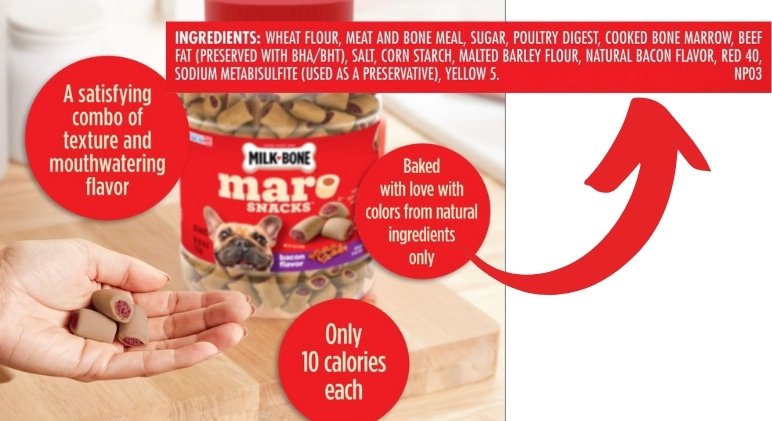
2. Milk Bones Marrow Snacks
The Milk Bones brand is at it again with their marketing, saying these treats are, “Baked with love with colors from natural ingredients only.” Unfortunately, the ingredient label tells a different story. Red 40 and Yellow 5, which are two artificial dyes many pet nutrition experts warn against, are listed right on the ingredient label. That, along with wheat flour, meat and bone meal, sugar, poultry digest, BHA/BHT, salt, corn starch, malted barley flour, etc.
3. Snausages
Have you ever eaten pigs-in-a-blanket? You know, those mini hotdogs wrapped in dough? Well, Snausages dog treats look just like that. While they may look adorable, the ingredients are horrible. Soy flour, corn syrup, animal fat preserved with BHA, chicken by-product meal, artificial colors (Yellow 6, Yellow 5, and Red 40) and flavors … these are all ingredients listed on the Snausages label. Thank you, next!

4. Purina® Beggin’ Strips Dog Treats
You’ve probably seen a bag of these treats before. They’re designed to look like bacon. And what dog doesn’t beg for a piece of bacon? Well, if you ask me, the only thing these treats should have you begging for is stricter guidelines in the dog food industry. Glycerin, sugar, corn gluten meal, and beef fat are just a few of the ingredients packed into these processed bites.

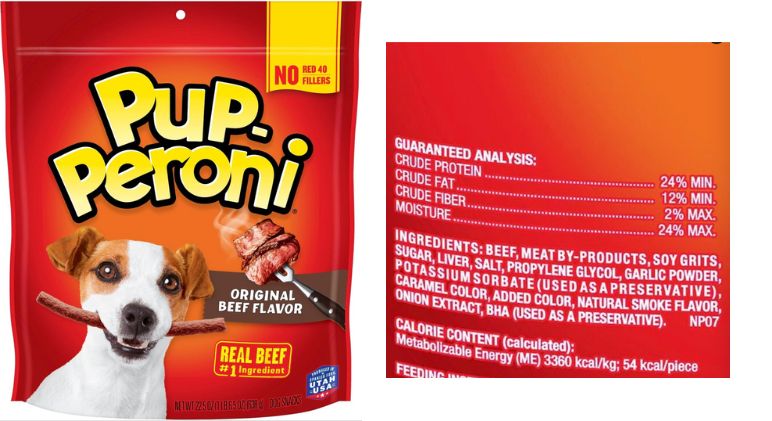
5. Pup-Peroni
These are beef-flavored pepperoni strips for dogs. And, just like the other treats featured on this list, they’re filled with ingredients such as meat by-products, sugar, onion extract, propylene glycol, and BHA.
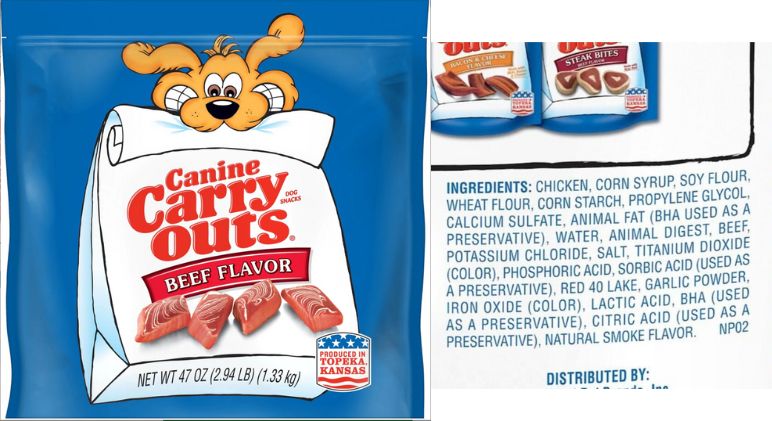
6. Canine Carry Outs Beef Flavor Dog Treats
From their beef-flavored Steak Bites to their Beef and Bacon flavored treats, these snacks are glorified junk food for dogs. Corn syrup, soy flour, wheat flour, corn starch, and propylene glycol are some of the items found pretty high up on this long ingredient list. That’s not to mention BHA, which is used as a preservative, and artificial colors, such as Red 40.
7. Milo’s Kitchen Chicken Meatballs
The packaging for Milo’s Kitchen dog treats will fool you into thinking they’re a healthy bite. I actually used to buy these … before I started researching red-flag ingredients. The bag showcases a happy woman in the kitchen cooking for her dog – and a freshly cooked chicken breast sitting on the counter right next to her. But, one look at the ingredient label and you’ll realize these seemingly healthy treats are far from it. Along with cheap fillers and sugar, these chicken meatballs contain propylene glycol and onion extract. That’s a no for me.

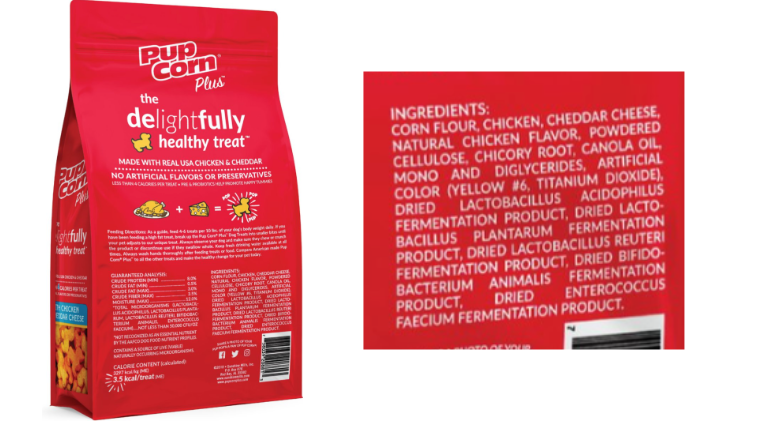
8. Pup Corn® Dog Treats
A play on popcorn, the very first ingredient in these treats is corn flour. Not only is corn a cheap filler product with practically no nutritional value, but it’s also a known allergen. Canola oil and artificial colors also make an appearance on the ingredient list.
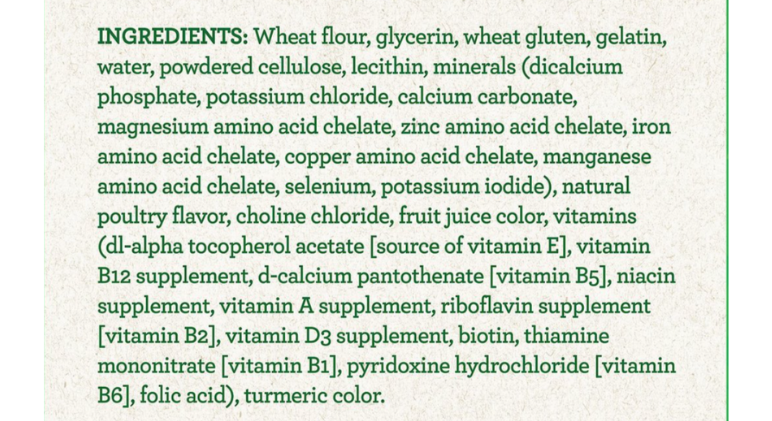
9. Greenies
The first few ingredients in these teeth-cleaning treats are carbohydrates and glycerin. Guess what carbs do in the body? That’s right, they convert to sugar. And guess what glycerin is? That’s right, it’s a replacement for sugar. Last time I checked, sugar is not good for dental health! Sure, the unique texture may scrape against the teeth, but the ingredients are not ideal for dental health (or health, in general). If you’re in search of great dental cleaning aids, opt for a bully stick, let your pup play with toothbrush toys (designed to scrape against the teeth similar to a toothbrush), and work brushing into your dog’s daily routine.
10. Rawhides
Give that good dog a bone! But wait … what kind? Sure, the image of a dog happily gnawing on a bright white rawhide bone may pop into your mind. But, think twice before tossing your dog a rawhide bone. First things first: These bones are loaded with chemicals, dyes, and glues. According to Dogs Naturally Magazine, “Once rawhide chews have been made, they’re preserved with various chemicals, which may include formaldehyde or chromium salts. When rawhide chews have been tested, they’ve shown things like lead, arsenic, mercury and other toxic metals as well.”
Along with the chemicals, raw hides are linked to choking, airway obstruction, esophageal blockages, and intestinal blockages.

Think of the Long Term Impact
Some pet parents may argue these products are just treats. And, sure, treats aren’t supposed to be fed in large amounts. But, ask yourself: How many treats does your dog eat each day? Are they in the training phase where you’re doling out treat after treat for good behavior? Do they get one every time they come in from a potty break? Do they get one just for being cute?
Long-term exposure to these red-flag preservatives and questionable/artificial ingredients can have an impact on our pups. And, when there are so many other options out there, I look at it this way: I would rather take the time to make my own treats or pay slightly more for a high-quality, single-ingredient dog treat than potentially pay more in vet bills down the road.