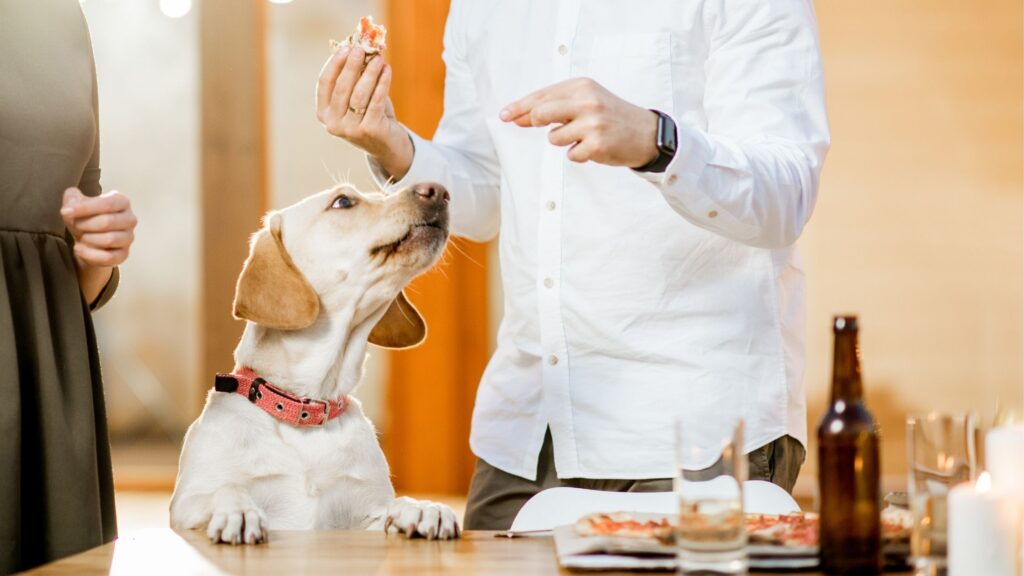
Along with festive decorations, feel-good movies, and jolly tunes, the holiday season is filled with delicious food. As loving dog parents, it’s natural to want our furbabies to join in on the yummy action. So, in an attempt to spoil our pups, it’s not uncommon for pet parents to grab some table scraps and let Fido or Fifi indulge in some fatty meats drenched in gravy, bacon bits, veggies doused in butter, and high-fat desserts. But, while you think you’re doing something nice for your canine companion, it could actually lead to pancreatitis … and an expensive trip to the vet.
What Does the Pancreas Do?
Before we dive into pancreatitis, let’s take a moment to chat about the pancreas. This vital organ sits near the stomach and the first part of the small intestines. It has two main jobs:
- Release enzymes that help break down food and aid digestion. These enzymes are secreted into the small intestines.
- Releases hormones, such as insulin and glucose, to help regulate blood sugar. These hormones are released into the bloodstream.
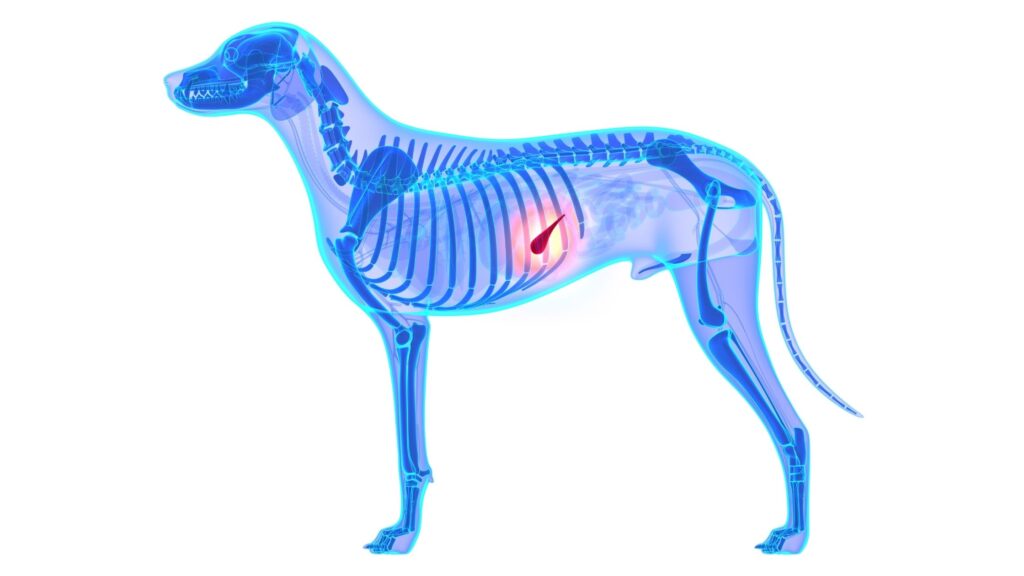
About Pancreatitis
To put it simply, pancreatitis is inflammation of the pancreas. Now, here’s a closer look at what actually happens:
When the pancreas is working normally, those enzymes I mentioned a minute ago (the ones that aid digestion), only become active once they reach the small intestines. If a dog is suffering from pancreatitis, though, those enzymes are released and activated early in the pancreas. This results in the pancreas itself being digested (versus food in the small intestines). This causes inflammation and damage to the pancreas, as well as its surrounding tissue and organs. Given its close proximity, canine health experts say it can lead to secondary damage to the liver, gall bladder, and intestines.
Pancreatitis is either considered acute (AKA the attack comes on suddenly) or chronic (AKA develops slowly, over time). Both acute and chronic pancreatitis can range in severity, and they both trigger pain for our pups.
Symptoms
- Loss of appetite
- Dehydration
- Belly pain
- Nausea
- Vomiting
- Diarrhea
- Fever or low body temperature
- Weakness/lethargy
- Hunched back
According to VCAHospitals: “During an attack, dogs may take a ‘praying position’, with their rear end up in the air while their front legs and head are lowered onto the floor. If the attack is severe, acute shock, severe depression, and even death may occur.”
Causes of Pancreatitis in Dogs
The exact cause of pancreatitis is unknown, although, in certain cases, experts say it may be triggered by:
- High-fat diet: This is why vets warn pet parents to lay off the table scraps during the holidays, birthdays, and other special occasions.
- Obesity
- Physical trauma to the pancreas
- Certain medications/steroids
- Genetic predisposition: Experts say some breeds (such as miniature schnauzers, cocker spaniels, and poodles) are more prone to developing pancreatitis.
Diagnosing Pancreatitis
Pancreatitis isn’t something you want to self-diagnose and play around with. If symptoms persist for a couple of days, call your vet’s office so the medical team can perform a full physical examination and run some laboratory tests. Your vet will likely run a blood test. He/she may also recommend an ultrasound.
Treatment
If your dog does have pancreatitis, your vet will work with you to discover what caused the attack in the first place.
Simultaneously, your vet will likely recommend withholding food for a couple of days (to give the pancreas a break) and starting IV fluid therapy. Dogs are often hospitalized for several days while treatments are administered and symptoms are closely monitored. Dogs are also typically given pain medications, along with other medications.
Once your pup is feeling better, your vet will reintroduce meals, slowly. A low-fat diet is usually recommended. Plus, rather than one or two larger meals, break portions up into three or four smaller meals.
Your vet will come up with a treatment plan based on severity and offer suggestions to help prevent it from happening again in the future.
Prevention
- Don’t give into those adorable puppy eyes and avoid feeding high-fat table scraps, treats, and foods.
- Is your pup a dumpster diver? Either get a trash can with a lid or keep your garbage in a closed-off space.
- Feed a high-quality diet and properly portioned meals.
- If your pup is packing on a few too many pounds, re-evaluate diet and exercise routine. Not sure if your pup is a healthy body weight? Check out THIS article!
- If your pup’s breed is considered more prone to pancreatitis and needs medication for whatever reason, consult with your vet first and voice your concerns.