
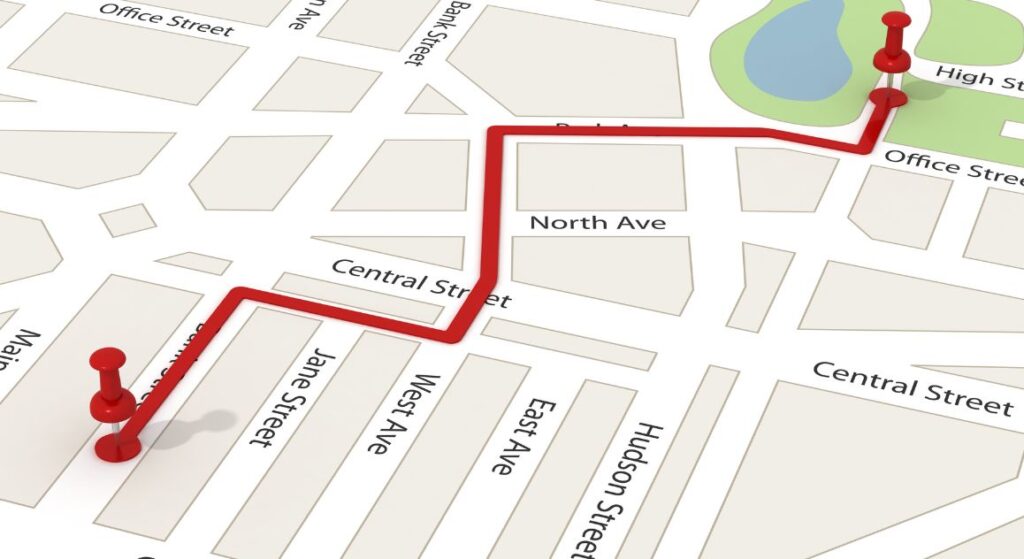
An estimated 10 million pets in the U.S. go missing each year. With such a high number, have you ever thought about investing in a tracking device for your furry family member? They offer peace of mind by knowing exactly where your dog is at all times. So it’s easy to understand why these devices have grown in popularity. Today, there are many reliable trackers on the market. A few that immediately come to mind include Fi Smart Collar, Whistle GO Explore, and Tractive GPS Tracker. Another product that’s caught many pet parents’ eyes is Apple’s AirTags. But is this really a great alternative? Short answer: No. Let’s dig in.
How Apple’s AirTags Work
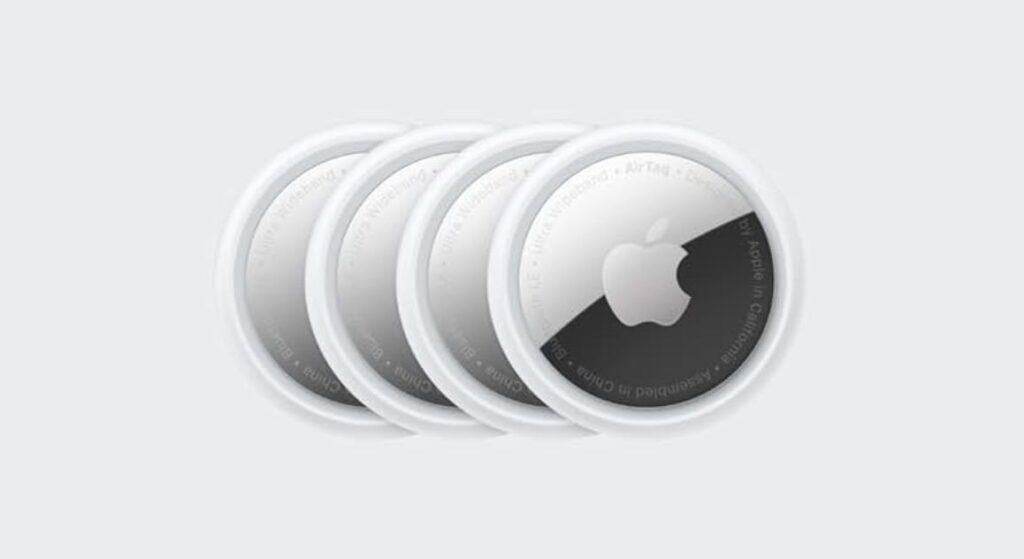
Apple’s AirTags are small, coin-shaped devices designed to help users keep track of their personal belongings such as keys, wallets, handbags, and luggage. By attaching an AirTag to an item, users can use the Find My app on their Apple devices to see the item’s location on a map. It’s important to note: AirTags aren’t GPS trackers. Rather, they rely on Bluetooth technology to communicate with nearby Apple devices.
If you lose an item with an AirTag attached, and that item is nearby, you can ping it. The ping will cause the AirTag to make a noise, helping you locate the misplaced item. But, if the AirTag is further away, you’ll put it in “Lost Mode” using the Find My app. This sends out a signal that gets picked up by compatible Apple devices within range. Then, those devices send their location data, along with the AirTag’s identification data, to the Apple server. The AirTag’s owner will receive a notification and can log into the Find My app to view the AirTags approximate location.
Additionally, you can set the AirTag to share your contact information. If someone with an NFC-capable smartphone finds your item, they can tap the AirTag to see a message with your contact details, making it easier for them to return the item to you.
The Biggest Issue with Using AirTags to Track Pets: Reliability
Unlike GPS trackers designed for pets, AirTags do not have GPS or LTE to function independently … and they do not provide real-time location updates. Instead, as mentioned above, they use a Bluetooth signal to communicate with nearby Apple devices, which then sends the location to your phone. When it comes to a lost dog on the run, this process can result in delays and possibly inaccurate information.
Plus, AirTags are particularly problematic in rural or remote areas where Apple device density is lower. If your dog is not within close range of an iPhone, the AirTag system won’t be able to find them. In these instances, the AirTag’s tracking capability becomes unreliable and/or non-existant. So, if you’re someone who takes your dog on hikes in rural areas and uses an AirTag for “just in case of an emergency” then it’s not the best option!
Durability
AirTags are designed to track objects, like keys, wallets, purses, and luggage. Not pets. AirTags are not durable enough to withstand a dog’s active and rough lifestyle. Depending on how it’s clipped onto your dog, it could easily catch on something and fall off … or break. Also, while AirTags are water resistant, they aren’t waterproof.
Safety Concerns
If an AirTag is properly secured to your dog’s collar, it shouldn’t be a safety risk. However, it’s still worth noting AirTags are small enough to be a potential choking hazard if your pup decided to chew on one. Dogs, especially puppies, might find the AirTag intriguing and could chew it off their collar. If swallowed, it could cause intestinal blockage, which may require surgical intervention. Additionally, AirTags contain small lithium batteries, which are extremely dangerous if ingested. Find out more about the dangers of batteries in our article HERE.
What Apple Says
In some cases, Apple’s AirTags have helped reunite dogs with their owners. However, it’s still not the most reliable or best option out there. Even Apple’s executives have stressed this product is for your belongings and not pets!
Better Alternatives
Dedicated Pet Trackers
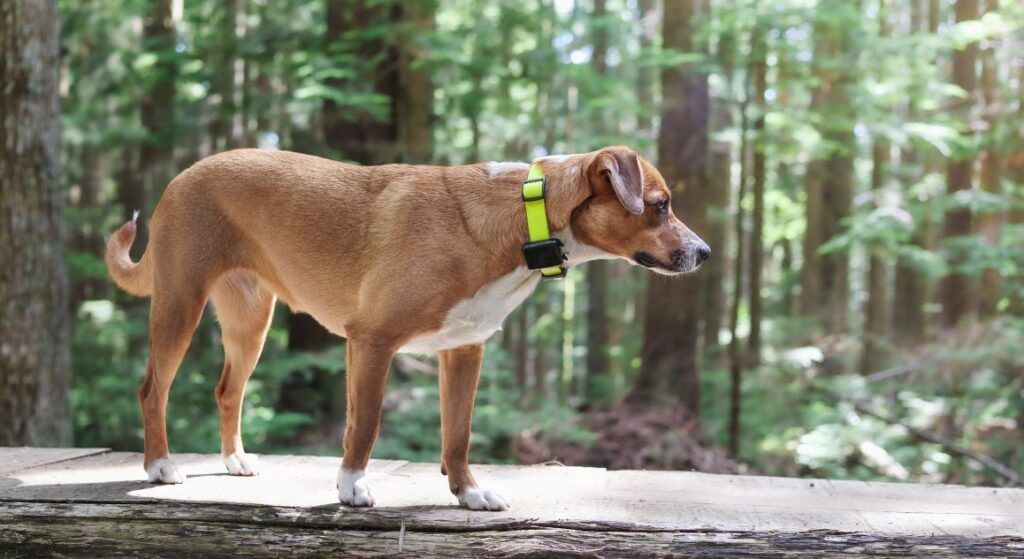
For pet parents looking to keep track of their furry family members, dedicated pet trackers are a much better option. These devices are specifically designed for pets and offer features like real-time GPS tracking, waterproofing, and durability. Some options even include a daily step and activity goals tracker! The Fi Smart Collar is our top pick. Some of it’s great features:
- The Fi Series 3 offers instant live tracking on GPS in lost dog mode, so you can track your dog’s every move.
- If you hire a dog walker or care taker when you’re at work/away, Fi will actually notify you when your pup gets picked up and brought back.
- Lasts up to 3 months on one charge.
- Waterproof.
- Keeps track of your dog’s steps and compares his activity to other similar dogs.
- Fi monitors your dog while resting and at night. Sleep patterns can reveal emerging health issues and Fi makes sure you don’t miss anything.
Other great options to look into include Whistle GO Explore and Tractive GPS Tracker.
Microchips
Sure, microchips aren’t GPS tracking devices. But, it’s another great thing to speak to your vet about and consider. A microchip is a small, rice-sized electronic chip enclosed in a glass cylinder that’s implanted under your dog’s skin, between his shoulder blades at the back of his neck. Again, it isn’t a GPS. Rather, it contains a unique tracking number that’s registered to a database and linked to an account with the animal’s info and pet parent’s contact details.
If your dog goes missing and someone brings him to a shelter or veterinary clinic, one of the first things they’ll do is wave a scanner over the dog’s neck to check for a microchip. When the scanner passes over the area, radiowaves activate the chip. The chip then transmits the identification number to the scanner and the number displays on the screen. According to the AVMA: “A study of more than 7,700 stray animals at animal shelters showed that dogs without microchips were returned to their owners 21.9% of the time, whereas microchipped dogs were returned to their owners 52.2% of the time.”