
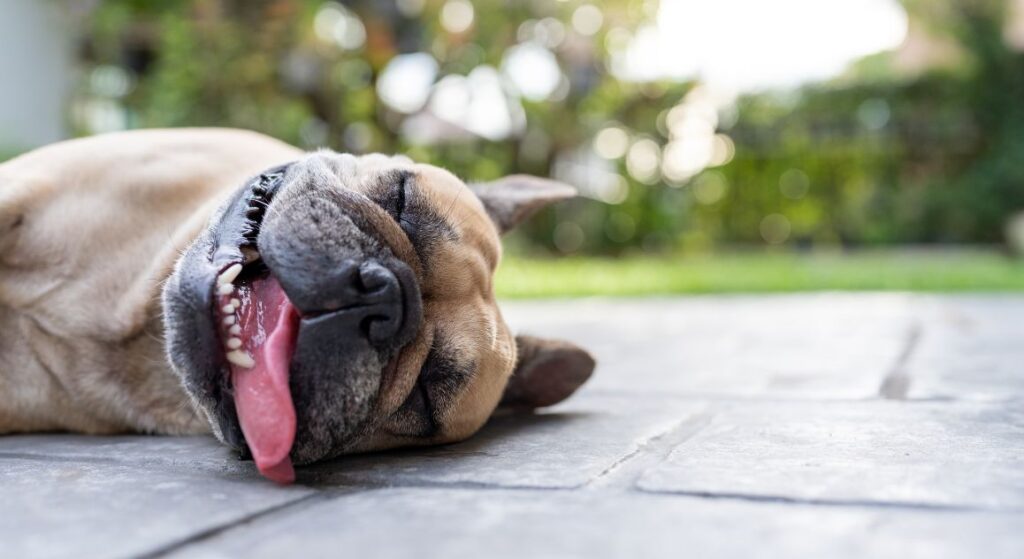
The weather is scorching outside! As temperatures continue to rise, pet parents must be extra vigilant about the increased risks of heat-related illnesses in dogs. Heat stroke and heat exhaustion are serious conditions that can quickly become life-threatening if not addressed promptly. Understanding the symptoms, prevention methods, and treatment options is crucial to keeping your canine companion safe.
What is Heat Stroke and Heat Exhaustion?
- Heat Exhaustion: Heat exhaustion occurs when a dog’s body temperature rises above the normal range but has not yet reached the critical levels of heat stroke. It’s essentially the body’s response to overheating, characterized by excessive panting, drooling, and lethargy.
- Heat Stroke: Heat stroke is a more severe condition that occurs when a dog’s body temperature exceeds 104°F (40°C). This can lead to cellular damage, organ failure, and, if not treated promptly, death. It’s a medical emergency that requires immediate attention.
Symptoms
Watch out for the following symptoms:
- Panting
- Increased body temperature (normal body temp is anywhere from 101º- 102.5º)
- Rapid heart rate
- Rapid respiratory rate
- Anxious
- Excessive drooling
- Diarrhea
- Vomiting
As the dog’s temperature rises, the symptoms can become even more severe and possibly deadly:
- Mental status changes, like confusion
- Weakness and stumbling
- Respiratory distress
- Organ failure
- Seizures
- Shock
- Coma
- Death

How Hot Is Too Hot For My Dog?
Determining when the temperature is too hot for your dog involves considering several factors, including the temperature itself, humidity levels, and your dog’s specific characteristics such as breed, age, and health status. Here are some guidelines to help you decide when it’s too hot for your dog:
Temperature Guidelines
- 75°F (24°C) and Above: At this temperature, start to be cautious, especially if your dog is very young, elderly, overweight, or has a thick coat or a flat face.
- 80-85°F (27-29°C): Exercise caution, particularly if it’s a sunny day with high humidity. Ensure your dog has access to plenty of water and shade.
- 85-90°F (29-32°C): These temperatures can be dangerous, especially for dogs that are more prone to heat sensitivity. Limit outdoor activities to short, supervised periods.
- 90°F (32°C) and Above: This is considered extremely dangerous for most dogs. Limit outdoor time to bathroom breaks only and keep them indoors in a cool environment as much as possible.
Other Factors to Consider
- Humidity: High humidity makes it harder for dogs to cool themselves through panting. Even if the temperature is not extremely high, high humidity can increase the risk of heat-related illnesses.
- Breed: Brachycephalic breeds (such as Bulldogs, Pugs, and Boxers) are more susceptible to heat due to their short snouts and compromised breathing efficiency. Dogs with thick coats, like Huskies and Malamutes, also overheat more easily.
- Age and Health: Puppies, senior dogs, and dogs with health conditions (such as heart or respiratory issues) are at higher risk for heat-related problems.
- Activity Level: Strenuous activities, like running or playing fetch, can quickly elevate a dog’s body temperature, especially in the heat. Keep activities light and brief during hot weather.
- Weight: Overweight dogs are more prone to overheating. They have more body mass to cool down and are often less efficient at regulating their temperature.
Preventing Heat Exhaustion and Heat Stroke
First things first, NEVER leave your dog in a parked car … even with the windows cracked open. Dr. Louise Murray, Director of Medicine at the ASPCA’s Bergh Memorial Animal Hospital, says: “On a hot day, even with the windows open, a parked automobile can become a furnace in no time, and heatstroke can develop, which is potentially fatal.” On an 85º day, a car can heat up to 104º within just 10 minutes. Within 30 minutes, it can reach almost 120º. Check out this chart from the American Veterinary Medical Association (AVMA) to see how quickly vehicle temps can rise:

If you can’t be in the car with your dog the entire time you’re out, do your pooch a favor and keep him safe by leaving him home. You may think it’s okay to leave your pooch in the car if it’s turned on with the AC blasting. In reality, though, it’s not the best idea. Cars can shut off when you least expect it. Once it’s off, your pup is stuck in the dangerous heat. If you happen to see a dog in a parked car in the heat, don’t ignore it. Get help immediately to get that dog to safety. Watch this news clip to see how quickly heatstroke can become deadly:
Other Dos and Don’ts
- ALWAYS make sure your dog has fresh, cold water available.
- ALWAYS make sure there is a shaded area for your dog when he is outside for an extended period. I like to use a raised cot with a canopy. This gets the dog off the ground (protecting his paws) and shields him from the bright hot sun.
- ALWAYS check the ground (pavement or sand) before your pups walk on it. On sunny days, the ground temperature rises very quickly. Sometimes people aren’t aware of this because we wear shoes and can’t feel the heat. When you walk outside with your dog, take your shoes off and feel the pavement. If it’s too hot for you then it’s too hot for your fur baby too.
- ALWAYS try and walk your dog in the early morning and evening hours when the heat isn’t at its peak.
- DON’T let your dog exercise outside in the extreme heat and humidity. It’s important to remember that dogs can’t control their body temperature like humans can. Their main way of cooling themselves is by panting and they only sweat through their paws and nose. Additionally, the smaller the dog’s snout, the harder time they have cooling themselves off.
- DON’T leave your dog outdoors unattended.
What to Do if Your Dog is Suffering From Heat-Related Illness
If you think your dog is suffering from a heat-related illness, heat exhaustion, or heat stroke then do the following:
- Remove your dog from the heat source. Get to a shady location or an air-conditioned space if possible.
- Soak towels in cold water (not ice water) and wrap them around your dog to bring down his body temperature.
- As long as the dog is awake and alert, offer him something to drink. Don’t let him drink too fast, though.
- NEVER try to give a dog water who is either semi-conscious or unconscious.
- Get your pup checked by a vet immediately, even if you think he is fine.