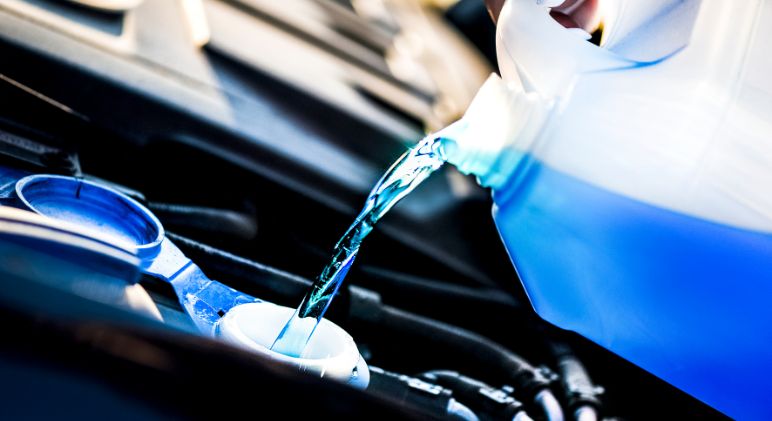
If you drive a car, chances are, you’ve heard of antifreeze. During the hot summer months, antifreeze helps to prevent your car’s engine from overheating. It does this by raising the boiling point of water in the cooling system. On the flip side, during the colder months, it prevents that same water from freezing. Antifreeze also helps to protect your engine from corrosion. While it plays an important role in your car’s health, it also poses a great danger to our dogs…
Antifreeze Is Toxic to Dogs: Here’s Why
The active ingredient in most automotive antifreeze products is ethylene glycol, a sweet-tasting, odorless liquid, that’s highly toxic to dogs.
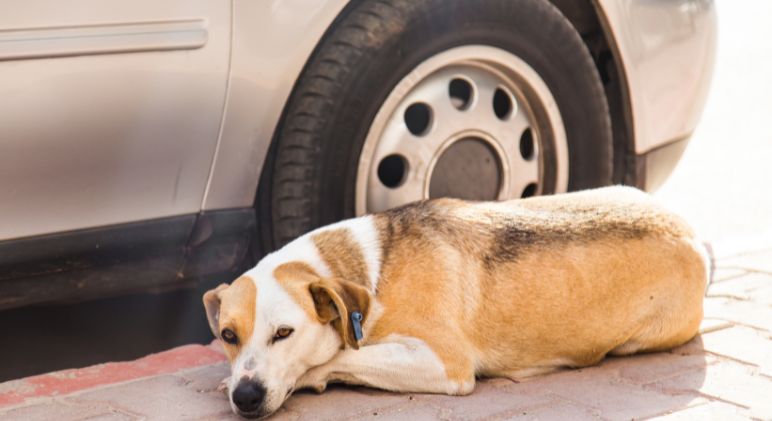
If antifreeze leaks from a car or spills onto the ground, many dogs and cats will happily prance over and lick from the puddle. Or, if they walk through it, they may lick it off their paws. It’s important to know, even a few licks are very dangerous for our pets, as small amounts of ethylene glycol can be deadly. According to the Pet Poison Helpline, “As little as a tablespoon can result in severe acute kidney failure in dogs, while as little as 1 teaspoon can be fatal to cats.”
Since our pets are drawn to the sweet taste, in 2012, United States manufacturers started adding a bittering agent to their antifreeze products. While it was an attempt to curb the problem, there is no evidence this has made antifreeze less palatable to dogs and cats.
Signs and Symptoms of Antifreeze Poisoning
The symptoms your dog experiences will depend on how long it’s been since ingestion. That’s why veterinary experts break ethylene glycol poisoning into three stages.
Stage 1: (30 min-12 hours after ingestion): During this time, symptoms may resemble alcohol intoxication.
- Nausea and vomiting
- Lack of coordination
- Stumbling
- Decreased reflexes
- Trouble standing
- Lethargy
- Excessive thirst and/or excessive urination
Stage 2 – (12 to 24 hours after ingestion): During this stage, some of the signs seem to drastically improve. This often gives pet parents a false sense of security, making it appear they’re getting better. However, things are still happening inside the body.
- Elevated breathing
- Increased heart rate
Stage 3 – (36-72 hours after ingestion): During this final stage, things take a steep downturn.
- Severe kidney failure
- Minimal to no urination
- Lethargy
- Lack of appetite
- Drooling
- Vomiting
- Seizures
- Coma
- Death
What to Do If You Suspect That Your Dog Ingested Antifreeze
If you suspect your dog has ingested antifreeze/ethylene glycol, seek veterinary care immediately. Time is of the essence. Once a pet shows signs of kidney damage, unfortunately, the prognosis is very poor.
According to VCA Animal Hospitals, “Dogs must be treated within 8-12 hours of ingesting antifreeze, as the antidote only has a narrow time period to work. Left untreated, the animal may die.”
If your regular veterinary office is closed, get to your local emergency vet.
Diagnosing Ethylene Glycol Poisoning
If you witnessed your dog licking antifreeze or another product with ethylene glycol (list below), immediately tell your vet. If you suspect your dog has been exposed to ethylene glycol, but aren’t 100% sure, tell your vet what you do know.
They will begin by running blood and urine analysis. Additionally, there are test kits that can measure ethylene glycol in the blood. Once your vet determines the level of damage done, they will come up with an action plan.
Treatment
Do not try to self-treat your pet. Your veterinarian will evaluate your pup’s current condition and then act. In some cases, they may induce vomiting and place activated charcoal in the stomach to bind antifreeze in the intestines, preventing it from being absorbed. However, veterinary experts report, ethylene glycol is typically absorbed too rapidly for these treatments to help most poisoned pets.
As far as antidotes go, according to the Pet Poison Helpline, “There are only two antidotes for antifreeze poisoning: either ethanol or 4-MP (fomepizole).” Fomepizole is pricy, but it can be life-saving when administered to dogs within the first 8-12 hours of ingestion. What antidote your vet ultimately uses during treatment will also depend on what they have at their clinic.
Treatment also involves extensive supportive care. IV fluids will be administered to keep the dog hydrated; various medications will help to ease symptoms; your pet’s vitals will be closely monitored.
Unfortunately, even with aggressive treatment, not all dogs survive ethylene glycol poisoning. As mentioned above, the sooner you get to the vet and start treatment, the better your dog’s chance of survival.
Prevention
First things first: To protect your dog from ethylene glycol poisoning, it’s important to know which products it’s in. Along with antifreeze, this deadly chemical can be found in:
- Brake fluid
- Windshield deicing agents
- Motor oil
- Some solvents, paints, and wood stains
- Inks/printer cartridges
- Snow globes
- Winterized toilet bowls
Some other key prevention tips:
- Store antifreeze and other harsh chemicals in a sealed container, far out of Fido’s reach.
- Watch for any suspicious puddles in driveways and/or garages. Keep your dog away.
- Clean up chemical spills ASAP.
- If antifreeze is used to winterize toilet bowls, make sure to keep the lid down and the bathroom door closed at all times.
- Consider changing to a less toxic form of antifreeze (one that contains propylene glycol or methanol).
Summary: Even small amounts of antifreeze can be a lethal dose. Don’t wait to seek veterinary care!