

As the weather warms up and beautiful flowers begin to bloom, many dog parents are spending more time outdoors with their canine companions. While time spent out in the sun is certainly fun, we must be aware of certain hidden dangers that springtime brings. Whether in your garden, local park, or even inside your home, it’s important to know which flowers and plants pose a risk to your pup. Here’s a guide to common spring plants that are toxic to dogs.
1. Tulips
Tulips add a vibrant splash of color to spring gardens, and it’s easy to see why they’re a seasonal favorite in many homes. However, if you have dogs, you’ll want to keep them away from your tulips. While stunning, the bulbs contain toxic compounds. According to the Pet Poison Helpline, “When the plant parts or bulbs are chewed or ingested, it can result in tissue irritation to the mouth and esophagus. Typical signs include profuse drooling, vomiting, or even diarrhea, depending on the amount consumed. With large ingestions, more severe symptoms such as an increase in heart rate, changes in respiration, and difficulty breathing may be seen.” While there is no specific antidote for tulip poisoning in dogs, if you suspect your dog has consumed these popular spring flowers, get them to your veterinarian ASAP for supportive care. Your vet will focus on flushing your dog’s body of the toxins and managing symptoms.

2. Daffodils
Daffodils are a cheerful sign of spring, but they pose a serious risk to dogs. They contain lycorine, an alkaloid that can trigger severe vomiting, diarrhea, abdominal pain, and even possible cardiac arrhythmias or respiratory depression. The highest concentration of toxins is found in the bulbs, making them especially dangerous if dogs dig them up.

3. Lilies
Lilies are a popular spring flower, often gifted in bouquets or planted in gardens for their beauty and fragrance. But pet parents should be extremely cautious—some lilies are highly toxic to dogs, and the level of danger varies by type. With so many lily varieties out there and varying levels of toxicity, it’s safest to keep all lilies out of reach. Note: Lilies are even more toxic to cats, where even a small nibble or lick can lead to life-threatening kidney failure.
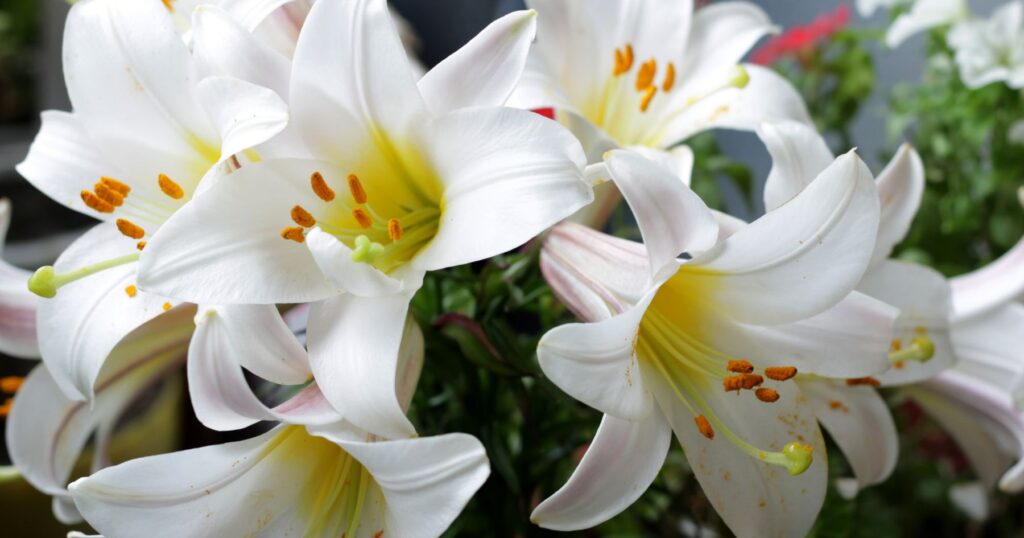
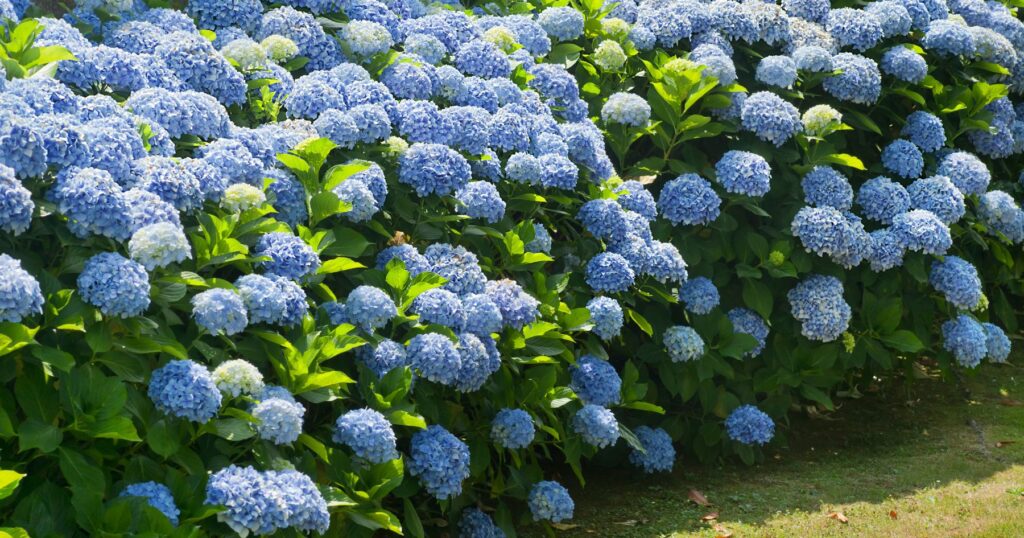
4. Hydrangea
Hydrangeas are a spring and summer garden favorite … and for good reason. They’re known for their large blooms and vibrant colors. However, all parts of the hydrangea plant—including the buds, flowers, leaves, and stems—can cause toxicity in dogs. According to PetMD, “Hydrangeas contain a toxin called amygdalin, which is a cyanogenic glycoside. Cyanogenic glycosides are toxic compounds also found in almonds, apple, and pear seeds, and pits from cherries, peaches, apricots, and plums.” Symptoms of hydrangea poisoning in dogs may include vomiting, diarrhea, lethargy, and confusion. In rare cases, ingestion of large quantities may lead to more serious effects, though this is uncommon due to the plant’s bitter taste. If your dog has nibbled on a hydrangea and is showing signs of illness, it’s best to contact your veterinarian right away.
5. Buttercups
These cheerful yellow flowers often pop up in meadows and gardens during springtime, but don’t let their sunny appearance fool you—they’re considered toxic to dogs. They contain a chemical called ranunculin, which, when crushed or chewed, turns into a toxin called protoanemonin. This substance can irritate the mucous membranes of the gastrointestinal tract and cause symptoms such as mouth irritation, drooling, vomiting, and diarrhea. The flower itself carries the highest concentration of the toxin. Fortunately, most dogs won’t consume a large quantity. According to Pet Poison Helpline, “Thankfully, buttercup generally doesn’t pose a serious threat because the toxin’s bitter taste and ability to cause mouth blisters limits the amount an animal will eat.” Still, if your dog shows signs of discomfort after coming into contact with these flowers, contact your veterinarian.

6. Azaleas
The Azalea is a species of Rhododendron, and it’s a popular shrub seen in many gardens. However, this shrub contains grayanotoxins, which can disrupt sodium channels, affecting the skeletal and cardiac muscle. According to the Pet Poison Helpline, “All parts of the plant are considered poisonous, and as little as ingestion of 0.2% of an animal’s body weight can result in poisoning.” They also report, “Eating even a few leaves can result in vomiting, diarrhea, and excessive drooling. Large ingestions may result in more serious signs, including heart rate and rhythm abnormalities and neurologic abnormalities.”
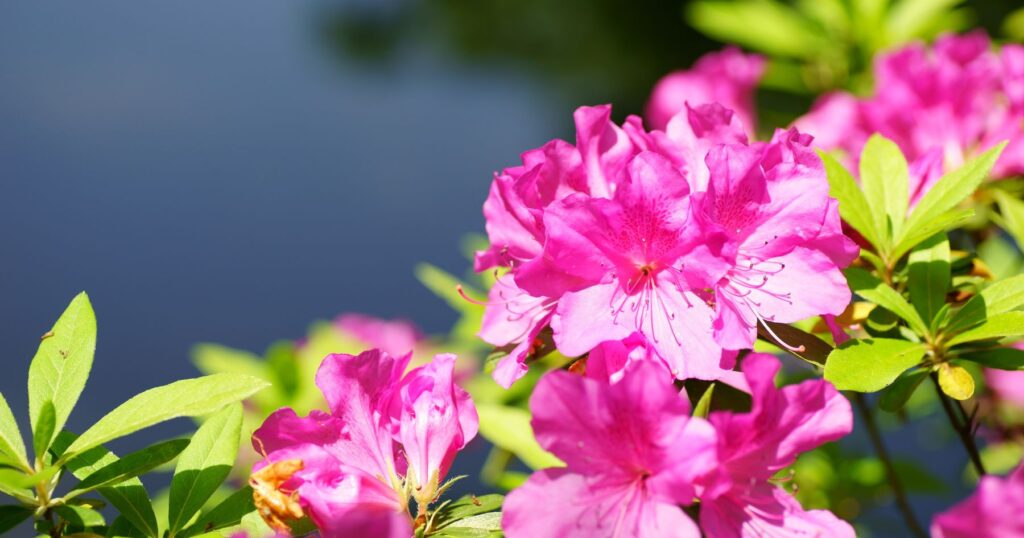
7. Rhododendrons
Closely related to azaleas, rhododendrons are larger evergreen shrubs with broad leaves and clusters of vibrant blooms that appear in spring. Like azaleas, they contain grayanotoxins throughout the entire plant—leaves, flowers, stems, and even pollen. These toxins can interfere with normal muscle and nerve function by disrupting sodium channels in the body. According to Pet Poison Helpline, “When ingested, clinical signs include gastrointestinal signs (e.g., drooling, vomiting, diarrhea, abdominal pain, inappetance), cardiovascular (e.g., abnormal heart rate, heart arrhythmias, weakness, hypotension), and central nervous system signs (e.g., depression, tremors, transient blindness, seizures, coma, etc.). The overall prognosis is fair with treatment.”

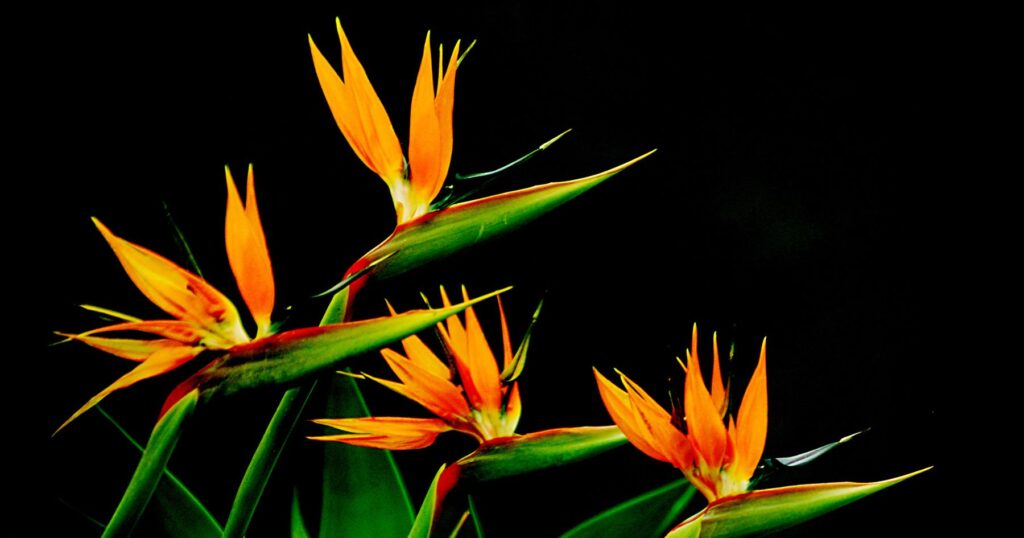
8. Bird of Paradise
The Bird of Paradise is known for its bold, exotic flowers that resemble a bird in flight. While it’s a favorite in tropical and subtropical gardens, this plant is considered mildly toxic to dogs. If ingested, dogs may experience oral irritation, nausea, vomiting, and drowsiness. Though symptoms are typically not life-threatening, larger ingestions or reactions in smaller dogs can lead to more serious complications. Always keep this plant out of reach, and contact your vet if your pup nibbles on any part of it.
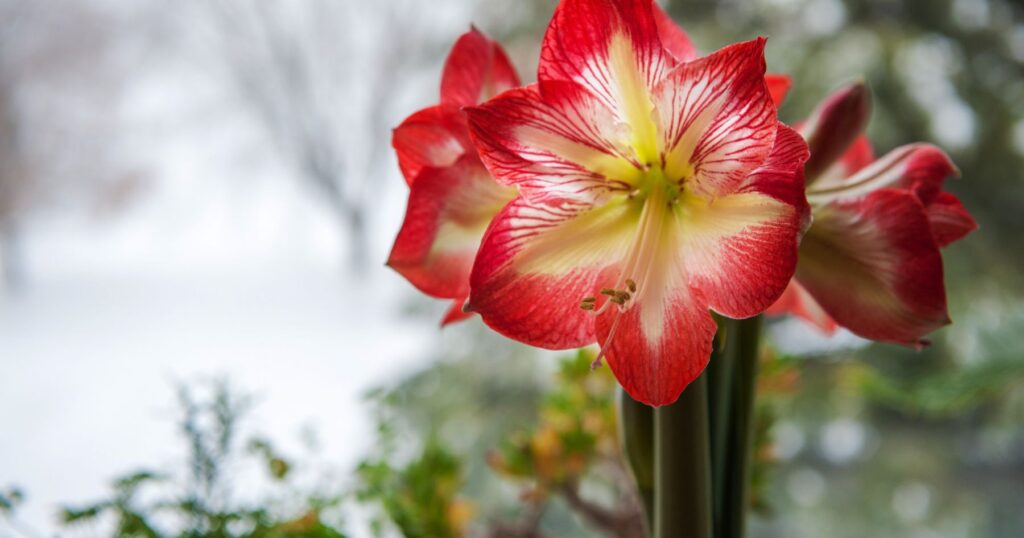
9. Amaryllis
These spring plants feature tall stalks and bold, trumpet-shaped blooms. While they’re pretty, they contains several compounds that are toxic to dogs. That includes lycorine and other harmful alkaloids. These toxins can cause a range of symptoms if ingested, such as vomiting, drooling, diarrhea, abdominal pain, tremors, and lethargy. The highest concentration of toxins is found in the bulb, making it especially dangerous if a dog digs it up.
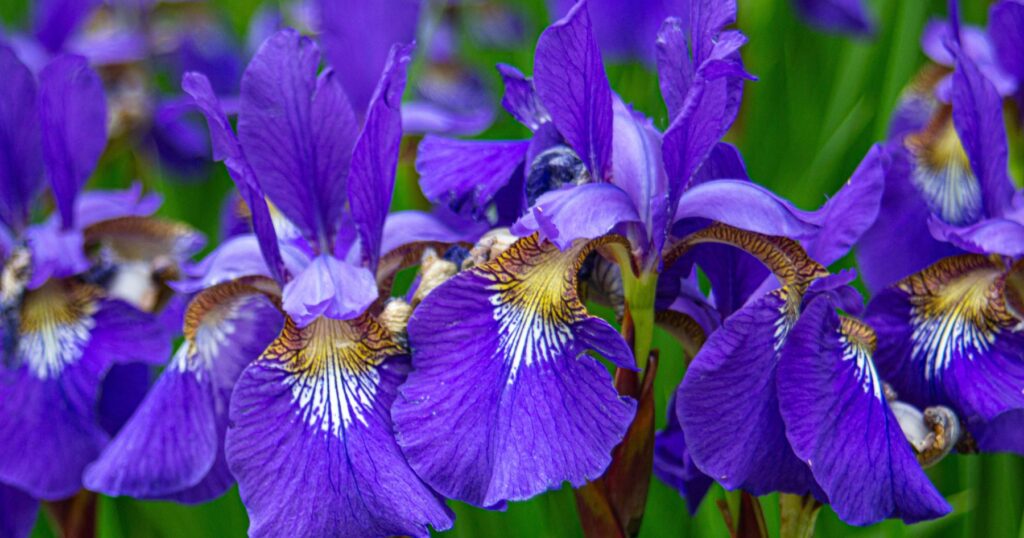
10. Iris
While iris poisoning is rarely fatal in dogs, this vibrant flower can still cause harm to dogs if ingested or touched. While irritating compounds are present in highest concentration in the bulb (or rhizome), your dog could experience symptoms from eating any part of this plant. Symptoms could include drooling, vomiting, diarrhea, abdominal pain, and lethargy. Skin irritation is also possible if your dog brushes up against broken leaves or sap.
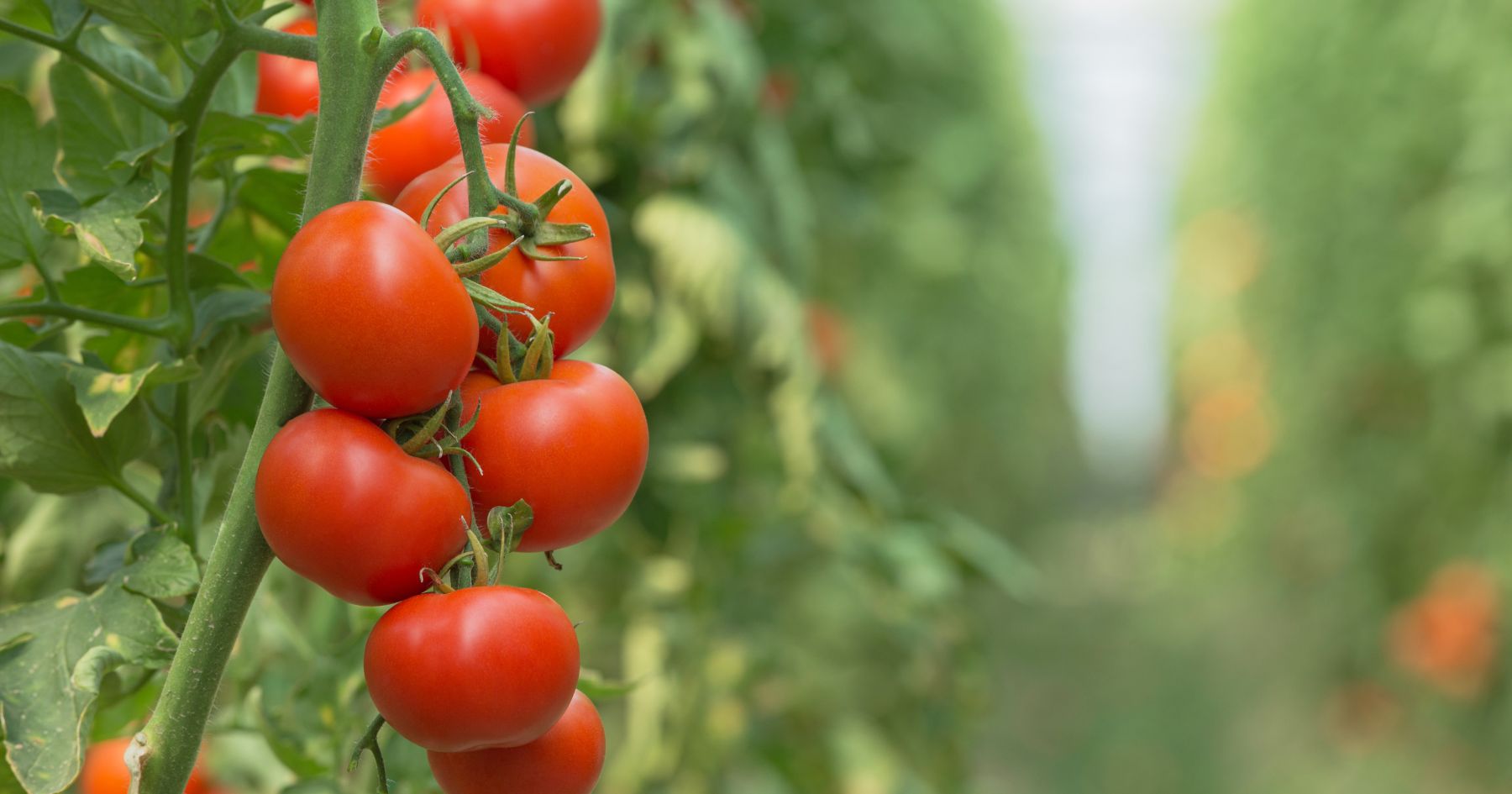
11. Tomato Plants
While ripe tomatoes are generally safe for dogs in small amounts, tomato plants themselves are considered toxic. The green parts of the plant—stems, leaves, and unripe green tomatoes—contain a substance called solanine, which can be harmful if ingested in large enough quantities. Dogs who nibble on the plant may experience gastrointestinal upset, drooling, weakness, lethargy, confusion, and in more severe cases, slowed heart rate or tremors. The solanine content is highest in young, green plants, so be especially cautious during early growing seasons. If you’re growing tomatoes in your garden, it’s best to fence off the area or keep your dog supervised around them.
What to Do If Your Dog Ingests a Toxic Plant
If you suspect your dog has eaten a toxic plant, follow these steps:
- Remove Any Remaining Plant Material – Try to take any plant pieces away from your dog’s mouth.
- Identify the Plant – If possible, take a photo or collect a sample to show your vet.
- Monitor for Symptoms – Look for signs such as vomiting, drooling, diarrhea, lethargy, difficulty breathing, or abnormal heart rate.
- Call Your Veterinarian or Pet Poison Helpline – Contact your vet or the Pet Poison Helpline immediately for guidance. NOTE: If you haven’t already done so, save the Pet Poison Helpline phone number in your phone (855) 764-7661. They charge an incident fee, but can be a huge help when you’re in a bind.
- Do Not Induce Vomiting Unless Advised – Some toxins can cause more harm if vomited, so only induce vomiting if directed by a professional.
Dog-Friendly Alternatives for Your Spring Garden
If you want a beautiful spring garden that’s safe for your pup, consider planting these dog-friendly flowers:
- Marigolds
- Snapdragons
- Petunias
- Roses
- Sunflowers
- Camellias