

Do you use air fresheners in your home? I’m talking about scented sprays, plug-ins, candles, incense, essential oils, etc. Many people use these products to mask or eliminate a lingering odor. Others are simply trying to create a specific ambiance in their home. I get it – there’s something inviting (and relaxing) about a fresh-smelling home. However, as pet parents, it’s crucial to pause for a moment and consider which products you’re buying. This article delves into the dangers associated with many air fresheners / scented products. Plus, we’ll explore safer alternatives!
Aerosol Sprays and Plug-Ins
While sprays and plug-in fresheners promise a quick and convenient solution to unwanted odors, they may pose risks to our pets. These devices often release chemicals and synthetic fragrances into the air, which can be harmful when inhaled or ingested by our furry family members. The worst offenders in the ingredient list are volatile organic compounds (VOC).
According to an article published by Dr. Karen Becker, “When these substances react with the ozone in the air, they generate a range of secondary pollutants such as formaldehyde and ultrafine particles. Ultrafine particles have been linked to heart and lung disease and respiratory problems. In fact, a 2011 news report released by the American College of Allergy, Asthma and Immunology (ACAAI) linked the VOCs in air fresheners with a 34% increase in health problems in people with asthma.”
The Environmental Protection Agency shares a list of health effects that VOC can cause:
- Eye, nose, and throat irritation
- Headaches, loss of coordination, and nausea
- Damage to the liver, kidneys, and central nervous system
- Some organics can cause cancer in animals, some are suspected or known to cause cancer in humans
Scented Candles
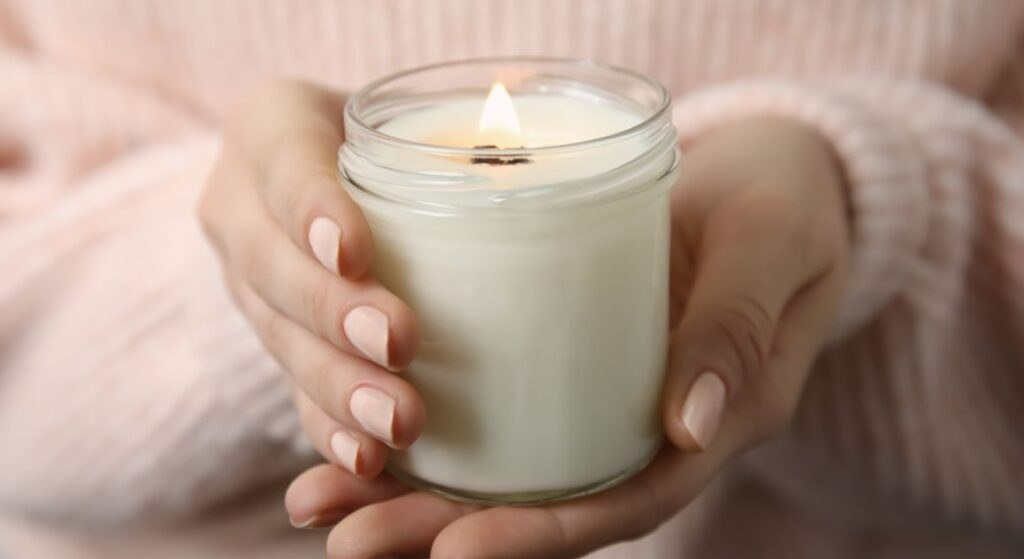
Scented candles often contain artificial fragrances and toxic substances that can release harmful pollutants into the air. Like air fresheners, they can contain dangerous VOCs. They can also contain lead, naphthalene, formaldehyde, and phthalates.
A common ingredient in candles is paraffin wax, which poses additional risks. When burned, paraffin releases benzene and toluene, both of which are known carcinogens. Dogs may be particularly sensitive to these pollutants, and prolonged exposure could lead to respiratory distress and other health complications. Veterinarians say frequent use of these candles could contribute to certain health conditions, such as asthma, allergies, and even cancer.
Incense
Many people feel as though incense are a safer route than candles because they don’t have an active flame. However, they do still release smoke into the air. Since our dogs (and other pets) have a much more powerful sense of smell than we do, they’re more susceptible to the effects. Get this: In a 2015 study, incense were found to be more toxic to cells and DNA than cigarette smoke!
Essential Oils
You may have read articles about the many benefits of essential oils. So, why are they on this list? Well, it’s because they can also pose dangers to our pets. When looking to use essential oils in your home, the concentration, type, and quality of oil are extremely important. According to Preventative Vet, “If ingested — such as after getting on your pet’s fur and then licked off during grooming — certain essential oils can cause digestive upset, neurologic problems, and other, more serious concerns. And this is not to mention the irritation these oils can cause if they come into contact with your pet’s sensitive skin or the way some oils could lead to irritation of your pet’s sensitive nose or lungs.”
Safer Air Fresheners for a Good-Smelling Home
When it comes to creating a fresh-smelling home without compromising your pup’s well-being, it’s essential to explore safer alternatives.
If you’re on the hunt to mask or eliminate current odors, try the following:
- Search your home with a blacklight to uncover any hidden urine accidents. If you find any spots, clean them with an enzyme-based cleaner that will blast odors.
- Give your home a good deep clean! Check out THIS article for natural cleaning product recommendations.
- If the weather allows, open windows and let the fresh air work magic!
- Look into an air purifier. No, this won’t add any fragrance to your home. But, it can help clear the air of any lingering odors. A quality air purifier can also help to remove fine particles from the air that could irritate your dog’s lungs.
- You can also place these Bamboo Charcoal Air Purifying Bags in different rooms in your house. They don’t contain any harmful additives and the charcoal should help draw in and eliminate lingering odors.
- Regularly change your home’s furnace and AC filters.
- You can also add some pet-safe indoor plants to your home, as they help naturally clean and purify the air.

Now, here are some tips when looking to pump some yummy smells into your home:
- Simmer Pots: This is a simple and natural way to fill your home with pleasant scents. It involves simmering (on low heat) a mix of aromatic ingredients on the stove, releasing their fragrances into the air. Try simmering cinnamon sticks with an orange rind. Or, try mint leaves and cucumber. The possibilities are endless!
- Plug-Ins: If you’re deadset on using a plug-in diffuser to pump a sweet aroma into your home then look into cleaner options like Pura. Unlike many plug-ins, Pura’s fragrances are created without acetaldehyde, diclorobenzene, ethylhexanol, formaldehyde, GMOs, methyl pyrrolidone, parabens, phthalates, propylene glycol, styrene, or animal testing. Use code MELISSAC15 for 15% off your order.
- Candles: If you refuse to give up candles then choose ones with a soy or beeswax base, as these materials are generally safer for pets compared to paraffin wax. Soy and beeswax candles burn cleaner and produce fewer air pollutants. Additionally, opt for a candle with a cotton wick. Another tip: If the candle is scented, ensure it uses pet-safe essential oils. Look for candles explicitly labeled as pet-friendly or safe for households with animals.
- Another hazard for our pets is the candle’s open flame. So, once you find a pet-friendly candle you would like to use in your home, look into warming lamps/plates with a timer. When using a warming lamp, there is no need to light the wick! HERE is a good option on Amazon.
- Essential Oils: Not only do you want to research the particular oil you are planning to diffuse, but you also want to ensure it’s properly diluted. Check out AnimalEO Essential Oils, formulated by veterinarian Melissa Shelton, DVM.
Stinky Dog? It’s Not Air Fresheners You Need!
A lot of people tend to overlook their pup’s odors, shrugging them off with the excuse: “Hey, he’s a dog. What do you expect?” But, here’s the thing: Healthy and regularly washed dogs don’t smell bad. Sure, if you stick your nose deep into their fur then you’ll notice a slight aroma. But it shouldn’t be unpleasant. Oftentimes, stinky smells that linger on for weeks on end are a sign that something is wrong. So, if you notice a stench coming from your canine companion then it’s important to figure out what it is. In THIS article, you’ll discover six common reasons dogs smell.