
Does your dog get anxious during vet visits? Between all the poking and prodding, it’s easy to understand why many pets don’t like the doggy doctor. But, good news: There are several things you can do to make your trip to the vet more enjoyable for your furry family member. Read on for tips to help reduce dog anxiety.
1. Choose the Right Vet
Just like finding the right doctor for ourselves can feel like a daunting task, so can choosing the perfect vet for our fur babies. Between referrals from friends/family/neighbors and reading online reviews, you’ll probably be able to narrow it down to a few options. But, nothing beats a tour of the clinic to ensure the staff is friendly and supportive. If you’re starting from square one, consider looking for a Fear Free vet’s office.
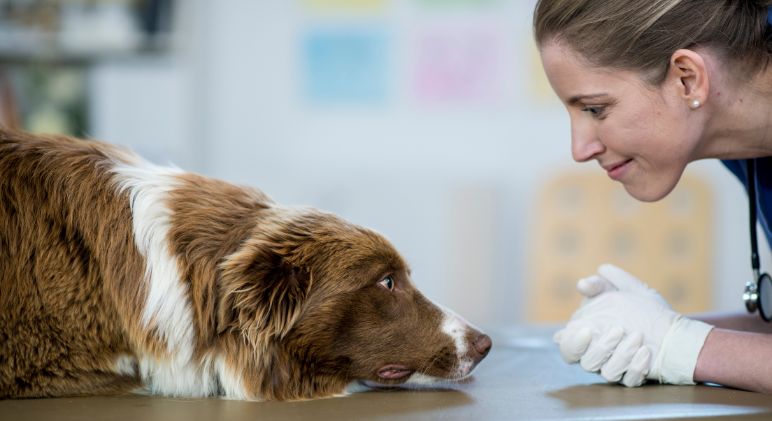
Fear Free Certification means the office staff have undergone specific training and are committed to reducing dog anxiety and stress associated with vet visits. Fear Free vet offices are designed with pets in mind. They encourage the use of calming pheromones and aromatherapy. Many paint their walls a soothing color, place plants in the waiting room to create barriers between pets, offer non-slip surfaces, and the list goes on. They often examine pets in a position that’s most comfortable for them, which may not be on an examination table. They also shy away from forceful actions during exams and, instead, use positive reinforcement and distraction methods (treats, toys, etc.).
2. Visit the Office “Just for Fun”
It’s no surprise many dogs fear the vet. After all, they associate that place with needle pokes, thermometers up their bums, and other unpleasant experiences. To help curb anxiety and shift your dog’s mindset, plan short socialization visits during not-so-busy times. You shouldn’t need an appointment for this. Just stop by your vet’s office for a quick walk around the waiting room and Hello to the front desk staff. While you’re there, give your pup a yummy snack and plenty of verbal praise. Keep these trips short and leave if your canine companion seems anxious. If you live close to your vet’s office, try stopping in once a month. Over time, your dog should get more comfortable with the vet’s office.
3. Practice Exams at Home
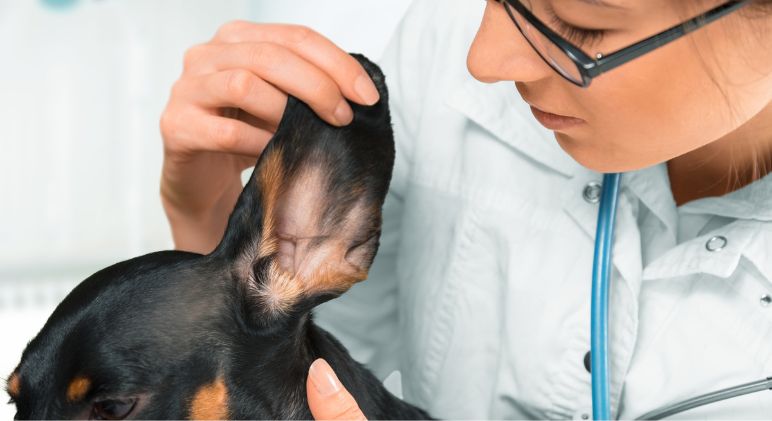
Many dogs don’t like being touched or handled during a physical examination. They can easily get confused or startled by the whole experience. So, in the comforts of your own home, try practicing a few routine vet exam tactics. Look at their teeth, touch their ears, and hold their paws. The goal is to desensitize. If you have any medical equipment (like a stethoscope) then let your pup sniff and touch it. Like with any desensitization training, remember to reward with treats and verbal praise.
4. Exercise Before Appointments
Have you ever heard the saying, “A tired dog is a good dog”? While physical activity will not completely prevent anxiety, it may help your precious pooch feel more relaxed. Before your scheduled appointment, go for a long walk, let them run around their background, or play a game of fetch. Do whatever activity your dog enjoys and will help burn off excess energy!
5. Calm Your Own Nerves
Dogs are very in tune with our emotions. If you are feeling anxious and stressed, your dog will likely sense that and begin feeling the same way. While sometimes easier said than done, try your best to remain calm and upbeat during vet visits.
Read more about dog anxiety in our article: 7 Ways to Naturally Calm Dog an Anxious Dog