As heartbreaking as it is, cancer is quite common in the canine community. In fact, it’s one of the leading causes of death in dogs. According to the American Veterinary Medical Association, almost half of dogs over the age of 10 will develop cancer.
Warning Signs
Like people, dogs can suffer from various forms of cancer and each type affects the body differently. However, there are some common warning signs to watch for. *Note: The following signs/symptoms can also be the result of non-cancerous conditions. If you notice any of these signs, consult with a veterinarian. The earlier cancer is detected, the greater your chance is for successful treatment.
- Lumps, Bumps, or Masses: Has your dog suddenly developed unexplained lumps, bumps, or masses? It’s important to get any and all unexplained growths checked by your veterinarian ASAP, as they can be cancerous. TIP: Since growths can appear anywhere on your dog’s body, make sure to pay attention and monitor closely during petting sessions or as part of your pup’s grooming routine.
- Sores that Don’t Heal: Any sores that don’t heal within a normal timeframe should be checked by a veterinarian.
- Bleeding/Discharge: Is your dog experiencing unexplained bleeding or discharge from the nose, mouth, or any other body opening? While it may be a sign of another illness, bleeding is a common sign of cancer.
- Sudden Weight Loss: Has your food-motivated pup suddenly lost interest in their favorite treats and meals? A sudden loss of appetite and a drop in weight can be the result of various health issues, including cancer.
- Persistent Diarrhea or Vomiting: It’s quite common for dogs to have a sudden bout of diarrhea (perhaps they ate something and got a funny tummy). But, if that diarrhea lasts more than a couple of days, it may be something more serious. For example, tumors in the gastrointestinal tract can cause chronic diarrhea and/or vomiting.
- Distended Stomach: According to the Animal Cancer Foundation, “When the ‘stomach’ or belly becomes rapidly enlarged, this may suggest a mass or tumor in the abdomen or it may indicate some bleeding that is occurring in this area. A radiograph or an ultrasound of the abdomen can be very useful.”
- Persistent Coughing: Cancer can have an impact on your dog’s lungs and airways, leading to persistent coughing or difficulty breathing. Since a dry, non-productive cough is one of the most common signs of lung cancer, if your dog has developed a persistent cough, they need to be checked.
- Difficulty Swallowing: If your dog is suddenly struggling to swallow their food or water, there is something wrong. Don’t delay in getting them checked.
- Change in behavior: Cancer can cause pain and discomfort, which can lead to changes in your dog’s behavior, such as depression or aggression.
- Abnormal Odor from the Mouth: A lot of people tend to overlook their pup’s odors, shrugging them off with the excuse: “Hey, he’s a dog. What do you expect?” But, here’s the thing: Healthy and regularly washed dogs don’t smell bad. If you notice a sudden foul smell coming from your dog’s mouth, this could be a sign of oral tumors.

Why Do Dogs Get Cancer?
The exact causes of cancer in dogs are not well understood. However, health experts say there are a number of factors that may contribute to cancer, such as age, genetics, diet, lifestyle, environment, and hormones.
Diagnosing Cancer in Dogs
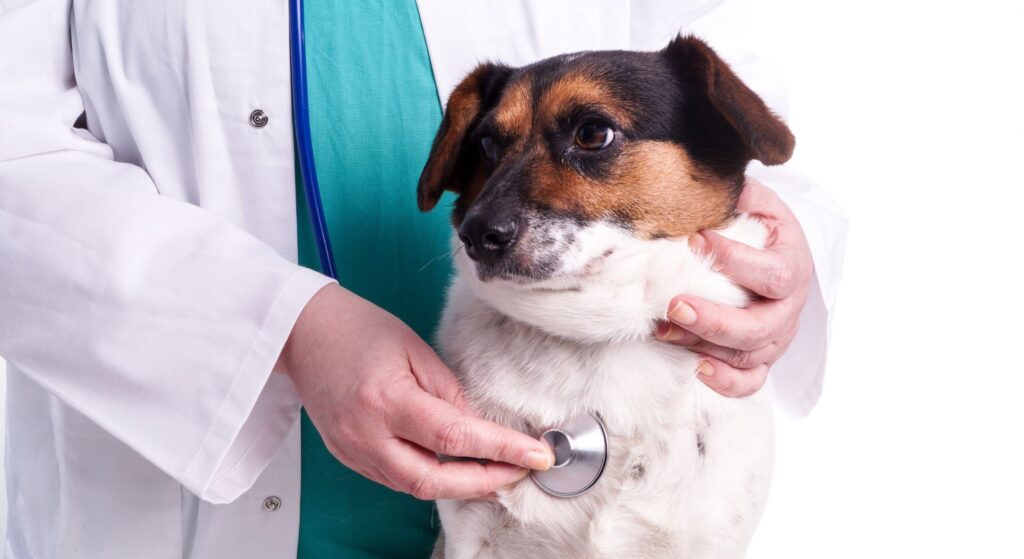
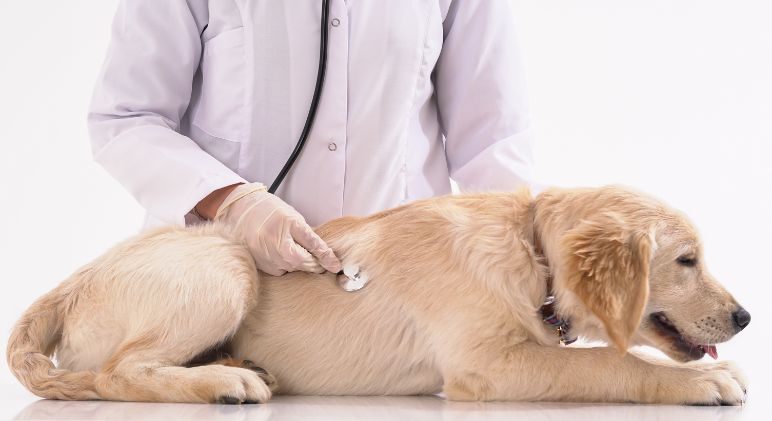
If you and/or your vet suspect your dog has cancer, they will run various tests. They will likely start by performing a thorough physical examination, which includes bloodwork and urinalysis. Checking your dog’s blood and urine levels will help give you a better look at what’s happening inside the body. If your dog has any lumps, bumps, or masses, your vet will biopsy the area. By taking a sample of tissue from the suspicious mass and examining it under a microscope, it can help to determine if it’s cancerous. Your vet may also perform x-rays, ultrasounds, CT scans, or MRIs to get a more detailed look at your dog’s internal organs and any suspicious masses.
Depending on your vet, they may refer you to a specialist (AKA veterinary oncologist) who focuses on cancer development and treatment.
Treating Cancer in Dogs
Treatment varies depending on the type and stage of cancer, as well as the age and overall health of the dog. Your vet may suggest:
- Surgery: To remove a cancerous mass and prevent it from spreading.
- Chemotherapy: Just like with people, this includes the use of drugs to kill cancer cells. This can either be done alone or in combination with surgery.
- Radiation therapy: The use of high-energy X-rays or other types of radiation to destroy cancer cells.
Your veterinarian will work with you to determine what the best course of action is for your dog’s unique circumstances. In addition to veterinary treatment, it’s beneficial to switch your dog to a fresh diet filled with real foods and focus on an overall healthy lifestyle.