
Have you ever seen one of those lists detailing which human foods dogs can and cannot eat? You might have noticed that coffee and tea are often coupled … and they’re featured on the No side. But here’s a twist: Have you ever seen a canine nutritionist recommend adding tea to your dog’s food bowl to moisten and enhance their meal? This seemingly contradictory advice can be quite confusing. So, what’s the real story? Can dogs drink tea? Well, it depends! Let’s explore the nuances of this question and uncover which teas are considered safe for dogs.
Important note: No tea should replace plain water in your dog’s bowl. Always make sure to provide fresh drinking water for your pup to stay hydrated. After discovering which teas your dog should stay away from – and which are considered safe in moderate amounts – scroll down to the bottom of this article, where we share safe consumption tips.
The Problem with Many Teas? Caffeine!
Tea is one of the most popular beverages in the world, second only to water. When talking about tea, many people immediately think of the traditional black, green, white, or oolong. They all have one thing in common: They contain caffeine. This stimulant is safe for us humans in moderate amounts, but it can be harmful to our canine companions. Dogs are much more sensitive to caffeine’s effects. Even small quantities can stimulate the nervous system and lead to caffeine toxicity, causing symptoms such as:
- Hyperactivity
- Restlessness
- Elevated blood pressure
- Elevated heart rate
- Abnormal heart rhythms
- Vomiting and diarrhea
- Tremors
- Seizures
Herbal Teas: A Safer Alternative?
Not all teas contain caffeine. Herbal teas — made from a variety of plants, flowers, and herbs — are typically caffeine-free and might be a safer option for dogs. I say “might be” because it’s crucial to understand that not all herbs are safe for canine consumption.
Here are a few herbal teas that are generally considered safe for dogs:
- Chamomile Tea: Known for its calming properties, chamomile tea can help soothe a dog’s upset stomach and promote relaxation. Ensure it’s brewed weak and cooled down before offering it to your dog.
- Ginger Tea: Ginger can aid in digestion and help alleviate nausea. A small amount of ginger tea might be beneficial for dogs with mild digestive issues. You can buy organic ginger tea or make your own from fresh ginger root.
- Rooibos Tea: This South African tea is naturally caffeine-free and rich in antioxidants. It’s considered safe and may help with allergies and skin issues.
- Echinacea Tea: This is an immune-boosting herb that can help your dog fight off infections.
- Peppermint Tea: Peppermint can help with digestive issues such as bloating, gas, and nausea. The refreshing properties of peppermint can also help freshen your dog’s breath. However, it should be given in moderation, as too much peppermint can cause gastrointestinal upset.
- Dill Seed Tea: Dill seed tea is great for digestion and can reportedly help alleviate gas in dogs. It’s also known for its antioxidant properties. According to Dog’s Naturally Magazine, “Make dill seed tea with 1 tsp. of dill seed to 8 oz. of water and feed 2-8 oz. to your dog once it is cooled.”
- Dandoline Tea: Dandelion is a great source of vitamins A, C, K, D and B complex. It also boasts zinc, iron, calcium, and manganese. It’s said to help aid digestion, fight inflammation, and detoxify. It can help also support liver function in dogs. According to Dog’s Naturally Magazine, “Use 5g to 30g dried herb (leaves, root or flowers) infused in 8oz water for 10-15 minutes. You can use 1/3 of a cup of tea per 20 pounds of your dog’s body weight, up to 3 times a day.”

What About Decaf Green Tea?
Regular green tea contains caffine and shouldn’t be given to your dogs. However, according to Dr. Karen Becker, decaf green tea actually provides some benefits for our pups. On the Bark&Whiskers blog, she wrote, “I consider it one of the ‘forever fluids’ that can supercharge your pet’s nutritional intake, as it’s rich in antioxidative polyphenols, vitamins and minerals that may support your pet’s health in different ways.” She also shared, “Green tea is rich in epigallocatechin gallate, a collection of polyphenols that may help manage inflammation and lower the risk of cancer.”

Before Offering Your Dog Any Tea
- Consult Your Veterinarian: Before introducing any new food or drink into your dog’s diet, it’s always best to consult with your trusted vet. They can provide personalized advice based on your dog’s health and dietary needs.
- Proper Dilution: When tea isn’t properly diluted and steeped, it can be too strong and too potent for your dog’s sensitive system.
- Let it Cool: After you brew the tea, ensure it’s completely cool before offering it to your dog. Hot liquids can cause burns.
- No Additives: Serve the tea plain, without any added milk, sugar, honey, or artificial sweeteners like xylitol, which is highly toxic to dogs.
- Moderation: Start with a very small amount to see how your dog reacts. Even safe teas should be given in moderation to avoid any potential adverse effects.
Incorporating Herbal Teas into Your Dog’s Diet
While plain, fresh water should always be your dog’s primary source of hydration, you can occasionally incorporate herbal teas into their diet. Here are some tips on how to do it safely (with your vet’s approval, of course):
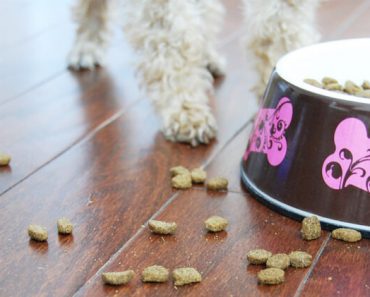
- Moisten Kibble (Or Another Type of Dog Food): It’s not hard to believe that dry dog food lacks moisture. In fact, kibble was designed to be a low-moisture product. Due to the lack of moisture, though, kibble-fed dogs tend to live in a constant state of dehydration and need to drink a lot more water to make up for it. Adding warm water, bone broth, goat’s milk, or an herbal tea to your dog’s food bowl to moisten their meals provides many benefits. Find out more about the importance of adding moisture to your dog’s food bowl in THIS article.
- Use it to Make Treats: Pour a small amount of herbal tea into a silicone mold and freeze it into ice cubes for a refreshing treat on a hot day.
- Serve it as a Drink: You can offer a small bowl of cooled dog-friendly herbal tea alongside their regular water bowl. Again: Ensure it’s not the only source of hydration.