
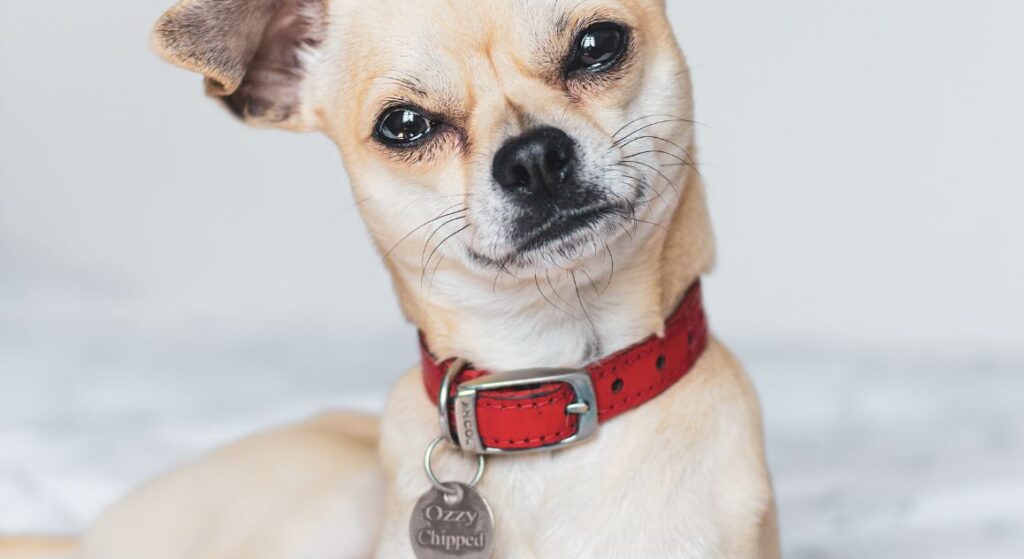
When we picture our beloved canine companions, the image of a happy pup, tail wagging with excitement, proudly wearing a collar that features a shiny ID tag may come to mind. The collar has become synonymous with our dogs’ identity … it’s a symbol of their connection to us and the world around them. However, many dog parents may not realize this common accessory poses a hidden danger within the walls of our homes. Let’s dive into why you should consider removing your dog’s collar when at home.
The Dog Collar
Dogs have been wearing collars for thousands of years. In fact, they’ve even been traced back to ancient civilizations, such as ancient Egypt and ancient Greece. Check out this interesting video that takes you through the evolution of the dog collar:
The Hidden Hazard of Dog Collars In Your Home
Dog collars, though designed for safety, can become a strangulation hazard when left on dogs locked in crates, roaming freely around their house, or playing with other pups. There’s a risk the collar catches onto furniture, fixtures, or other objects. As dogs attempt to free themselves, panic sets in. This often leads to frantic twisting and turning that may result in your dog choking himself.
A few examples:
- Kennels/Crates – Tags on collars can get wedged in between crate bars, leaving a dog unable to break away. In 2011, this exact scenario happened when a couple boarded their Shih Tzu, Marta, with their regular veterinarian in Tacoma. On their way home from vacation, the couple received a call that Marta had died. The tags on her collar got wedged in the boarding kennel and the dog choked to death.
- Furniture – Collars can accidentally get caught on door knobs, cabinet knobs, handles on reclining chairs, and the list goes on.
- Heating Vents – Dogs may lay on heater vents, and the tags hanging from their collars can get stuck in between the vents, making it difficult for dogs to break free.
- Decks – The same situation can happen on decks. If your dog lays down on a wood deck, make sure their tags don’t fall between the slats, getting caught.
- Play Biting with Other Dogs – The #1 reported collar accident is play biting. When watching dogs play, you may notice they bite at each other’s neckline. Jaws, teeth, and paws can easily get entangled in a collar. I’ve read many stories of dogs passing away from this exact scenario. For example, THIS article features a man named Michael Reeves who came home from work to find one of his dogs had died. It happened after his two dogs were play-biting and one got ahold of the other dog’s collar. Then there’s Ryder Jackson – a 4-year-old chocolate Labrador who was strangled to death in 2018 while playing with his best doggy friend. Ryder’s humans went on to found The Ryder Safe Foundation and help spread awareness.

Accidents Happen
There are many documented cases of dogs suffering severe consequences due to collar-related incidents. The Ryder Safe Foundation estimates that at least 26,000 dogs die yearly from dog-collar strangulation. Plus, countless other pet parents have taken to forums and social media sites to share their scary stories, where they luckily were present to witness and save their pups from a sticky situation.
Prevention is Key
To avoid these heart-wrenching scenarios, the best thing dog parents can do is remove their pet’s collar when at home. While the risk of a collar-related accident might seem minimal, the potential consequences are far too severe to ignore. Taking this simple precaution can be the key to preventing unnecessary accidents and safeguarding the well-being of our beloved furry companions.

Other Collar Safety Tips
Breakaway Collars
If you feel adamant your dog wears a collar inside, look into breakaway collars, like THIS one. They’re designed with a safety feature that allows the collar to release or break open in certain situations to prevent choking or strangulation. While these collars offer specific advantages, they also come with drawbacks. For example, the very feature that makes breakaway collars safe can also be a drawback. The quick-release mechanism may result in a collar that’s less durable compared to traditional collars.
Make Sure Your Dog’s Collar Fits Properly
Loose collars can pose significant risks to your dog’s safety, as it’s significantly easier to catch on furniture and other items. On the flip side, tight collars may cause chafing, irritation, discomfort, and difficulty breathing.
Collar fit can change over time due to growth or weight gain or loss. It’s crucial to perform regular checks on your dog’s collar. The two-finger rule is a widely recognized guideline for determining the right fit. When the collar is fastened, you should be able to slip two fingers comfortably between the collar and your dog’s neck. This allows for a snug fit without being too tight or too loose.
Additionally, inspect the collar for signs of wear and tear, and replace it if it shows any signs of damage.