Are you caring for a senior dog? If so, I’m right there with you! I have an 11-year-old Chihuahua and a 10-year-old toy Poodle. They are the loves of my life! As much as I still think of them as spry young pups, the truth is that they’re getting older and their needs are changing. During the cold winter months, certain daily activities may become more challenging for our senior canines. That’s because the chilly weather can exacerbate existing health issues, like arthritis. Read on for 7 ways you can nurture your senior dog to help them make it through this winter.
1. Pay Attention to Your Senior Dog’s Joints
Is your once playful pooch less interested in his toys? What about jumping up on the couch or bed — does he struggle? Does he let out a little groan when he lays down for some zzzs? You may even notice a change in the way Fido is walking. If your senior dog struggles with joint pain/arthritis, be prepared because temperature drops can make joints feel even stiffer. One of the simplest ways to nourish your senior dog’s bones and joints is by incorporating specific dietary supplements into their daily routine. While you should always consult with your veterinarian before introducing a new supplement, here are some to consider:
- Glucosamine: Glucosamine is a natural compound that supports the formation and repair of cartilage. It helps maintain joint health and mobility.
- Chondroitin: Often paired with glucosamine, chondroitin is known for its ability to promote joint flexibility and reduce inflammation. It works synergistically with glucosamine to support overall joint health.
- Omega-3 Fatty Acids: Omega-3 fatty acids, commonly found in fish oil supplements, possess anti-inflammatory properties. They help alleviate joint pain and stiffness, promoting better mobility in senior dogs.
- CBD Oil for Dogs: CBD can help ease the inflammation caused by worn-down cartilage, helping dogs feel better and stay active.
- Turmeric: Turmeric contains curcumin, a powerful anti-inflammatory agent. Adding turmeric to your senior dog’s diet can help reduce joint inflammation and provide relief from arthritis symptoms.
Some wonderful supplement options include Native Pet’s “Relief” chews, Dr. Harvy’s Hip & Joint Soft Chews, Native Pet’s Omega Oil, and Cannanine CBD Oil for Dogs.
2. Adjust Their Diet as Needed
Ensuring your senior dog maintains a healthy weight is paramount for their overall well-being, especially during the challenging winter months. Striking the right balance – having enough “skin on their bones” without packing on excess weight – plays a pivotal role in safeguarding their joint health and promoting longevity.
- Decreased Activity Levels: During winter, dogs often face a shift in their activity levels. With colder temperatures and potential weather constraints, some may take shorter walks or engage in less outdoor exercise, affecting their calorie expenditure. Dogs with reduced physical activity may require fewer calories to maintain a healthy weight. Slightly reducing their food quantity helps prevent unnecessary weight gain during winter.
- Increased Energy Demand for Warmth: On the flip side, other dogs may need more calories during winter to generate the extra energy required to stay warm. Providing a slightly larger portion or opting for a higher-calorie dog food can help meet these increased energy demands.
All-in-all, keep a close eye on your dog’s weight. If you notice weight fluctuations, consult with your veterinarian and closely monitor meal/treat portions.

3. Adjust Outdoor Habits
Not all dogs are created equal when it comes to cold tolerance. Size, weight, coat type, age, and lifestyle play pivotal roles in how your canine companion perceives the winter chill. However, all dogs do feel the cold, can suffer from hypothermia in severe conditions, and need to adapt their outdoor habits to some extent.
- Shorten outdoor walks if needed
- Avoid icy surfaces that may be slippery
- Avoid walking through de-icing agents/recently treated streets (those chemicals aren’t good for our dogs)
- Continually monitor their comfort level when outside.
4. Engage In Mental Enrichment Activities
While it’s crucial to maintain some physical activity during the winter months, don’t forget about mental enrichment. As our dogs age, they need challenges that will help stimulate and sharpen their minds. You can provide this with puzzle toys, treat-dispensing games, and obedience training. Over the years, I’ve grown a pretty extensive enrichment toy collection. I put them on rotation and my dogs play with them daily. Here are some of our favorites:
- Planet Dog Orbee-Tuff Snoop
- Outward Hound Wobble Bowl
- Potaroma Push-Center Dog Bowl
- Outward Hound Dog Brick
- Outward Hound Challenge Slider
- Carrot Patch Snuffle Mat

5. Create Comfortable and Warm Resting Spots
Among the many personality changes you may observe in your senior dog, you may notice they tire out quicker and require more sleep than in previous years. Make sure to provide soft, comfortable, and warm spots for doggy snoozes. I take this to the extreme by having a quality dog bed in every main room in my house (giving them a place to relax no matter where we are). But my little dogs have little beds … so this isn’t as realistic for large dog owners.
If you’re in the market for a new bed for your senior dog, look for:
- Orthopedic with Memory Foam – One obvious benefit is they provide comfort for achy joints. The memory foam will immediately hug their body and accommodate any sleeping position.
- Waterproof/Stain Resistant – Incontinence is a common symptom in senior pups. To help prepare for this life stage, look for a bed with waterproof lining or a removable cover that can be easily taken off and washed.
- Warming Technology – Heated beds are a wonderful choice for arthritic dogs since warmth can help relieve aches and pains. While some beds provide warming fabrics, other options act similar to heated blankets, where you plug them in and crank up the heat.
Check out THIS article for a list of suggestions!
More Tips: Place your dog bed somewhere your dog won’t feel a cold breeze. If placing near a heating vent, be mindful not to set it directly on top or touching the vent, to avoid burns. Plus, for dogs who love to burrow, pair their bed with a fuzzy blanket!
6. Invest in a Warming Wardrobe
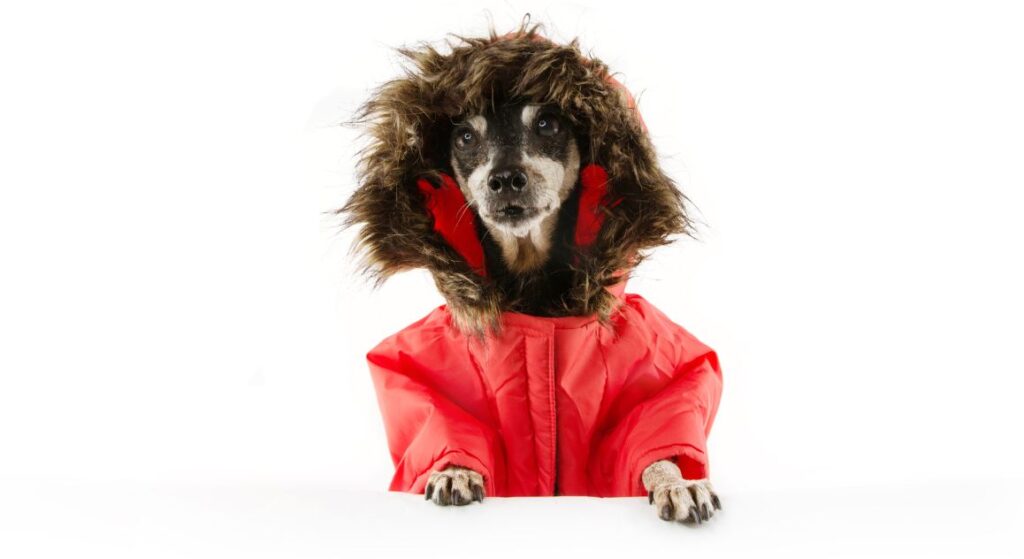
A warming wardrobe can make a significant difference in your senior dog’s comfort during winter.
- Get some doggy sweaters, vests, and coats. You can even get special dog snowsuits for those times your pup is out in a winter wonderland.
- Along with covering their bodies, make sure to protect their paws. If your dog will tolerate them, try dog booties to help prevent frostbite.

7. Adapt Your Senior Dog’s Grooming Routine
Winter weather can impact your senior dog’s coat, making grooming adjustments essential.
- Regular Brushing: Regular brushing helps remove loose fur, stimulates blood flow, and promotes a healthy coat.
- Warm Bath: There’s nothing more comforting than a warm bath! If you bathe your dog at home, ensure the bathing area is warm and draft-free. Use lukewarm water, and dry your dog thoroughly to prevent chilling.
- But Avoid Overbathing: Depending on the shampoo you use, frequent bathing can strip your dog’s skin of natural oils, leading to dryness. Keep an eye on your pup’s skin and adjust bathing frequency accordingly.
- Trim Hair: Long hair on the body, ears, tail, and in between the paw pads can collect ice and snow. Trim these areas to prevent matting and ice buildup, ensuring your dog stays comfortable during winter walks.
More Ways to Make Your Senior Dog Comfortable
Check out this article: 5 Ways to Make Your Home More Senior Dog Friendly.