
Cloudy eyes in dogs can be alarming. Have you noticed your pup’s eyes turning bluish or hazy?
Don’t ignore it. While some changes in eye color can be a normal part of aging, others may signal serious health issues. Some could even lead to permanent blindness if left untreated. I’ve broken down five common causes of cloudy or bluish eyes in dogs, from harmless to potentially devastating. Know the signs, take action early, and protect your pup’s vision.
Nuclear Sclerosis: A Natural Sign of Aging
If your senior dog’s eyes have gradually turned cloudy or bluish-gray, Nuclear Sclerosis could be the reason. This age-related condition causes the lenses of the eyes to harden, usually affecting both eyes at the same time. While the cloudy appearance might look concerning, Nuclear Sclerosis is painless and doesn’t usually impact a dog’s ability to see clearly.
Most dogs adapt easily to the subtle vision changes and no treatment is typically required. However, since other, more serious conditions can look similar, a veterinary exam is necessary to confirm the diagnosis. Don’t assume it’s “just old age” — always have changes in your dog’s eyes checked by a professional.
Corneal Dystrophy: A Genetic Cause of Cloudy Eyes in Dogs
Corneal Dystrophy is another condition that can cause blue or cloudy eyes in dogs. Like Nuclear Sclerosis, it usually affects both eyes. This inherited disease is progressive, and although it rarely leads to blindness, it does affect the cornea.
There are three forms of Corneal Dystrophy, each affecting a different layer of the cornea. Most cases are painless and may not require treatment, but they still need to be monitored by your vet. A proper diagnosis ensures it’s not something more serious and helps you track any changes over time.
- Epithelial corneal dystrophy is when the corneal cloudiness is within the outermost layer of the cornea.
- Stromal corneal dystrophy occurs in the middle layer of the cornea. It occurs when fat droplets accumulate within this layer.
- Endothelial corneal dystrophy affects the deepest layer and is most common in middle aged and older dogs.
Cataracts: When Cloudiness Blocks the Light
Cataracts are a well-known cause of bluish, cloudy eyes in dogs and they can severely affect vision. This condition occurs when the lens becomes opaque, reducing the amount of light that can pass through the eye. If left untreated, cataracts can progress to total blindness.
Although age is a common factor, cataracts can also be caused by genetics, diabetes, injury, or poor nutrition. You may notice your dog hesitating in low light, bumping into objects, or becoming disoriented. Cataracts can also lead to painful complications like glaucoma or inflammation inside the eye.
A veterinary exam is essential. In some cases, surgery can restore vision, especially when the cataract is caught early.
Glaucoma: A True Eye Emergency
Of all the conditions that can cause cloudy eyes in dogs, glaucoma is one of the most dangerous. This serious disease causes fluid buildup in the eye, leading to dangerously high pressure that can damage the optic nerve, retina and result in blindness.
Signs of glaucoma include a cloudy or bluish eye, redness, visible discomfort, and in some cases, an enlarged or bulging eyeball. Glaucoma can be inherited or result from another eye condition like uveitis or trauma. Either way, it’s painful and progresses quickly.
If you notice these symptoms, seek emergency veterinary care immediately. Glaucoma requires fast intervention to relieve pressure and preserve what vision remains.
Anterior Uveitis: Painful Inflammation That Clouds the Eye
Anterior Uveitis occurs when the front part of the eye becomes inflamed, often causing bluish or cloudy eyes in dogs. It can be incredibly painful and may cause redness, squinting, tearing, and light sensitivity. This condition often arises from infections, trauma, autoimmune diseases, or even cancer.
Because it’s linked to so many underlying causes, anterior uveitis requires a full veterinary workup. Untreated, it can lead to secondary complications such as glaucoma or even permanent blindness. Early detection and prompt treatment with anti-inflammatories, antibiotics, or other targeted therapies can make a major difference in outcome and comfort. It’s important to schedule a vet appointment and seek treatment immediately to prevent further damage.
When to Call the Vet
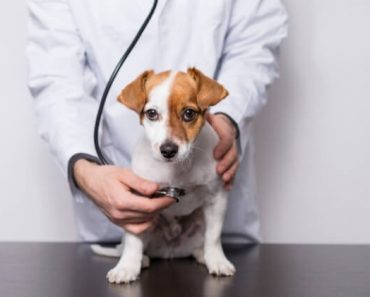
Any noticeable change in your dog’s eyes such as cloudiness, a blue tint, redness, squinting, or sudden clumsiness warrants a vet visit. Some conditions, like Nuclear Sclerosis or Corneal Dystrophy, may not need treatment. Others, like Glaucoma or Uveitis, require urgent care.
Your dog’s eyes are too important to take chances with. If something looks off, schedule an exam. A simple vet visit could be the difference between managing a harmless condition and preventing irreversible vision loss.
Final Thoughts: Stay One Step Ahead of Eye Trouble
Dogs rely heavily on their vision to navigate the world and they count on us to protect it. Knowing what to look for and acting early can keep your dog happy, safe, and seeing clearly for years to come.
If you’ve noticed any changes in your dog’s eyes, don’t wait. Call your vet, ask questions, and trust your instincts. Your pup’s eyesight is worth it.
Raising A Senior Dog?

Blue or cloudy eyes are just one sign of aging. Click here to see the top 12 signs your pooch is entering his senior years.