
Have you ever heard your dog sneeze? Chances are, your pup has let out a big aaacchhhhoooooo at some point. Dog sneezes are pretty common and usually aren’t a cause for concern (in fact, doggy sneezes are actually pretty cute). With that said, when sneezes are coupled with other symptoms, they can be a sign of something serious. Read on for seven reasons dogs sneeze.
Playfulness
If you’ve caught your pup sneezing during playtime, it’s likely a sign of happiness. Experts say it’s a way dogs show they’re in a playful mood … and a way of saying, “Hey, I’m having fun!” So, if you see your dog sneezing during a playdate, and they aren’t showing signs of other symptoms, there is likely no need to worry!
Environment
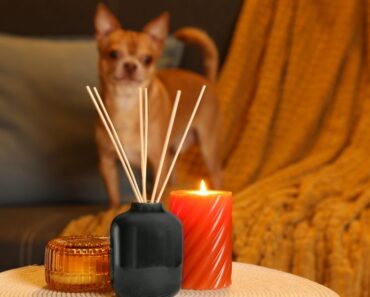
The other day, I watched my Chihuahua stick his snout deep into the grass, take a big whiff, and then sneeze. In this instance, he inhaled something irritating (like grass, dirt, or pollen). You may also catch your pup sneezing after a good digging session, whether in the dirt or the sand. But, it’s not just outside irritants. This same thing can happen inside your home. Maybe your pup inhaled perfume, dust, or a recently sprayed cleaner.
Allergies
Just like we can suffer from seasonal allergies, so can our canine companions. Sure, when allergies strike, dogs usually experience itchy skin and ear infections. But, they may also show some upper respiratory symptoms, like sneezing. Find out more about allergies in dogs HERE.
Nasal Infection
Upper respiratory infections can cause dogs to sneeze. If your dog has an upper respiratory infection, you will most likely see additional symptoms, such as a bloody or mucoid discharge, lack of appetite, decreased activity, and a fever.
Nasal Mites
Just like the name implies, nasal mites are little bugs that live in a dog’s nasal passages and sinuses. Transmission is thought to be by both direct and indirect contact between dogs … and they’re incredibly irritating to our dogs. According to Merck Veterinary Manual, “The most common signs associated with nasal mite infestation include bleeding from the nose, sneezing, ‘reverse sneezing’ (sniffing air rapidly inward), impaired ability to pick up scents, facial itching, nasal discharge, labored breathing, head shaking, and high-pitched, noisy breathing. Other, less specific signs include coughing, restlessness, and collapse.”
Nasal Tumor
According to VCA Animal Hospital, “A nasal tumor is a type of cancer that results from the disorganized uncontrolled production of cells that line the nasal airway.” If your senior dog develops a frequent, ongoing sneeze that seems to worsen with time, your vet may want to check for nasal tumors. Symptoms also often include a bloody nose.
Breed
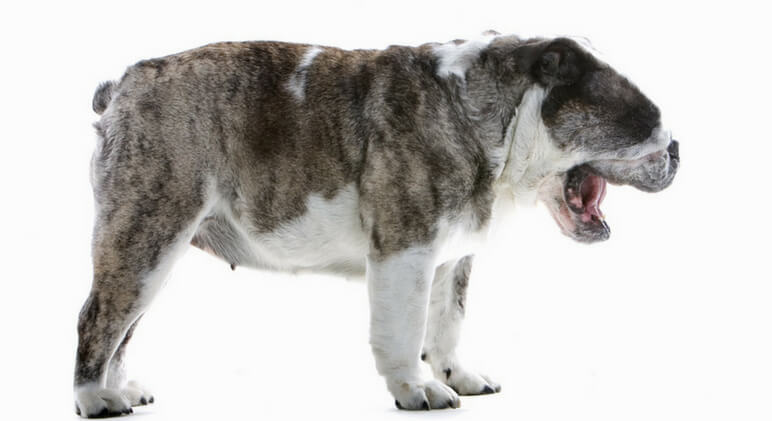
Brachycephalic breeds (AKA flat-faced dogs such as pugs and French bulldogs) are said to be more prone to sneezing. That’s because of their face/snout shape, which compresses the nasal passages.

About Reverse Sneezing
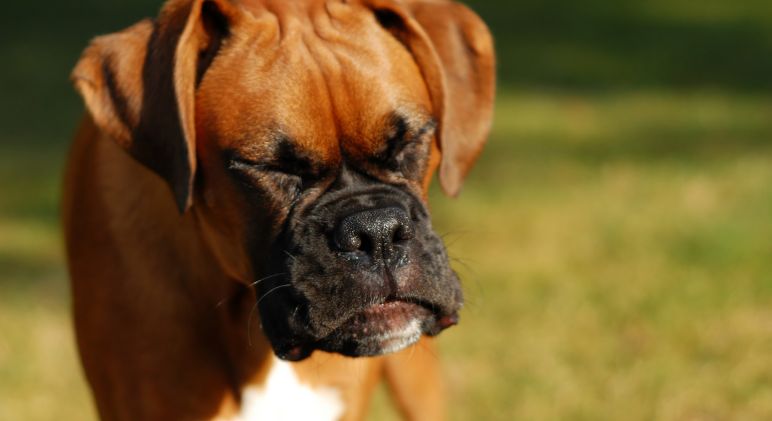
A reverse sneeze is pretty much exactly what it sounds like — it’s the opposite of a sneeze. So, just think about it…
In a regular sneeze, air is pushed out through the nose. On the flip side, in a reverse sneeze, air is suddenly, quickly, and forcefully pulled in through the nose. It causes a very loud snorting or gagging sound. It’s one that could fool a pet parent into thinking their pup is choking or having an asthma attack.
Dogs tend to stand very still when they experience a reverse sneeze episode. You will often find their legs in a wide stance with the elbows tilted away from the body, neck and head extended forward, abdominal contractions, and their eyes may bulge. According to veterinarians, episodes of reverse sneezing typically last a few seconds, but they can last up to a minute. As soon as an episode is over, dogs typically go back to their normal breathing patterns.
According to VCA Hospitals: “Although it can be alarming to witness a dog having a reverse sneezing episode, it is not a harmful condition and there are no ill effects. The dog is completely normal before and after the episode.”
Just like how a regular sneeze is triggered by some sort of irritant, so is a reverse sneeze. It can occur when a dog’s soft palate (AKA the soft part of the roof of the mouth) becomes irritated and spasms.
When to See a Vet
Occasional sneezing in dogs is completely normal and does not require a vet visit. However, if sneezing persists and is coupled with other symptoms, it’s best to speak with your vet.
- Seeing nasal discharge and blood? If so, talk to your vet.
- Sneezing coupled with lethargy, reduced appetite, and fever? If so, talk to your vet.
- Severe allergy symptoms? If so, talk to your vet.
- Persistent sneezing without a clear cause? If so, talk to your vet.