
As the days become shorter and the temperatures drop, Mother Nature’s little outdoor critters will begin looking for some temporary fall and winter housing to call home. Mice and rats are notorious for trying to get inside garages, basements, attics, and sheds as they search for a cozy place to reside. To avoid unwanted little tenants, many households put out rodent poisons. But, what many people don’t realize is they pose a serious danger to our dogs.
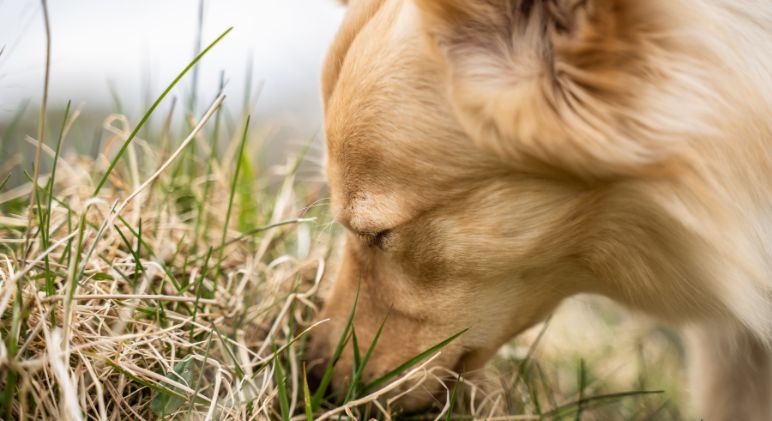
Here’s the thing: Rodenticide is designed to have an enticing flavor, to attract rodents. But, in households with pets, these poisons can lure in more than just rats and mice. Dogs, too, can find the flavors intriguing enough to sniff and lick.
It’s important to know: Ingesting even a small amount of rat poison can be deadly to dogs. Unfortunately, the Pet Poison Helpline reports: “Pet Poison Helpline gets dozens of calls daily from dog owners (and occasionally cat owners) saying ‘My dog ate rat poison!’ Poisoning from rodenticides (mouse and rat poisons) is one of the most common types of toxicities managed by Pet Poison Helpline.”
What Is Rat Poison?
Rodenticides are poisons used to kill rats, mice, and other rodents. They come in various colors and forms: Hard bait blocks, soft baits, pellets, granules, and liquid. Depending on the form/brand, several different active ingredients may be used. According to the Pet Poison Helpline:
“Products which look similar and have similar names may contain very different types of poison. Thus, if a dog (or rarer, a cat) ingests mouse or rat poison, accurate identification of the active ingredient is crucial as this will determine the risk of poisoning and the need for treatment.”

Note: There are no rat poisons that are considered dog-safe.
Types of Rodenticides & Their Toxic Effect
Anticoagulants
These rodenticides are the most common type ingested by dogs and can lead to deadly internal bleeding. They work similarly to blood thinner medication for people. Once consumed, the poison interferes with how vitamin K (one of the nutrients responsible for blood clotting) is used in the body. When vitamin K levels are too low, the body can no longer form clots needed to keep blood within its vessels … and uncontrolled bleeding may occur.
It may take 2-7 days for the effects of this poison to appear. Bleeding is not always obvious, as it often occurs internally (inside the abdomen, chest, lungs, GI tract, etc). Some warning signs of internal bleeding include:
- Lethargy and weakness
- Coughing
- Difficulty breathing
- Pale gums
- Lack of appetite
- Enlarged abdomen
- Vomiting and diarrhea
- Nose bleeds
- Bruising
- Bloody urine
Cholecalciferol
According to Pet Poison Helpline, “This is one of the most dangerous mouse and rat poisons on the market and seems to be gaining in popularity.” It causes a very high spike in calcium and phosphorus levels in the body, which leads to severe, acute kidney failure. The signs of this poison may not develop for 12 to 36 hours after ingestion. Symptoms may include:
- Increased thirst
- Increased urination
- Lethargy and weakness
- Decreased appetite
Bromethalin
This type of poison increases the amount of sodium, and eventually water, in the cells. Ultimately, the cells swell and die. While this poison can affect any organ, it most commonly affects the central nervous system (mainly the brain). Warning signs and symptoms can develop within 2-36 hours. Symptoms include:
- Lethargy
- Lack of coordination (ataxia)
- Lack of appetite
- Tremors
- Seizures
- Paralysis
Zinc & Aluminum Phosphides
This type of poison is much less common. It’s mostly used by professionals to get rid of moles and gophers, but can also be used for mice and rats. The biggest thing to note: Do NOT feed your dog after exposure. Once in the stomach, this poison releases phosphine gas … and food in the stomach just increases the amount of gas produced. Symptoms include:
- Stomach bloating
- Vomiting
- Abdominal pain
- Shock
- Collapse
- Seizures
- Liver damage
Secondary Poisoning
If your dog has eaten a rodent, there is a possibility he will be exposed to rat poison. In this case, it’s best to be cautious and contact your vet.

Suspect Your Dog Consumed Rat Poison? Here’s What to Do!
First things first: Even if your dog appears fine, do not wait to call a veterinary professional. When it comes to treatment for rat poison in dogs – and the outcome – time is of the essence. If your regular vet’s office is open, call them immediately. If it’s after hours, call your local emergency vet or the Pet Poison Helpline (855-764-7661). The Pet Poison Helpline is available 24/7. A $75 incident fee applies.
Once you’ve contacted a professional …
While it may be tempting to induce vomiting at home, do not do so unless instructed by your vet. Depending on the poison type, vomiting can sometimes do more harm than good.
Treatment
Before any treatment is recommended or administered, your vet will need to identify which type of rodenticide your dog has ingested. When you go to the vet’s office, bring along rodenticide product packaging and any remaining poison (if you still have it on hand). Provide your vet with as many details as possible, including the amount of poison you believe your dog has consumed and how much time has passed since consumption occurred.
Your vet will run a series of tests and determine the best action plan. Treatment type and time vary depending on the poison.
Prevention
- It’s best to avoid using rat poison on your property.
- But, if you absolutely must, make sure to store it in a safe place where your dog can’t access it.
- Supervise your dog at all times, whether it’s at your house or somewhere else. When you can’t keep an eye on your pup, put them in a crate or another safe space.
- Always keep the packaging to make identification easy, just in case your dog consumes any.