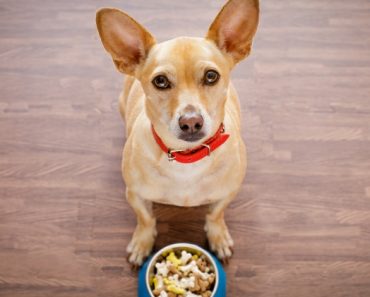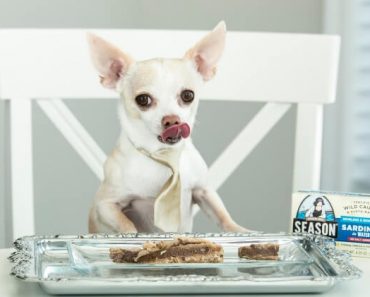
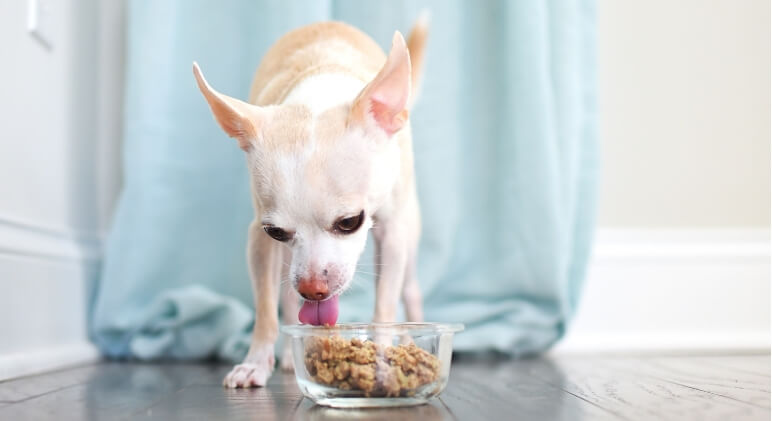
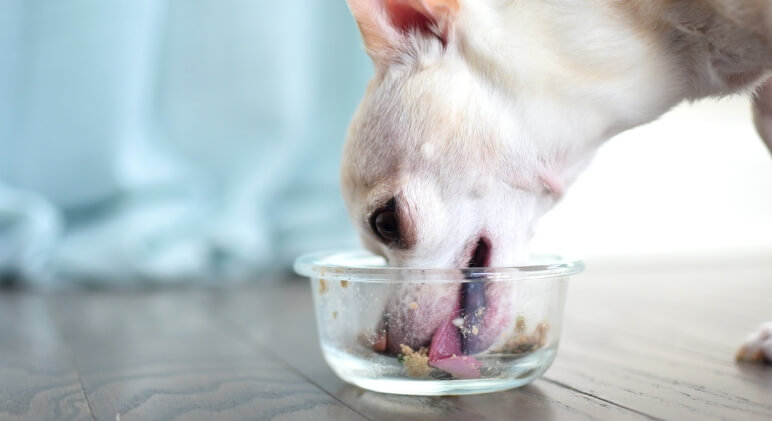
When it comes to mealtime, there are two types of dogs. 1. The dog who leisurely nibbles and licks his way to a clean bowl. 2. The dog who quickly attacks his food the moment it’s in reach, as if he hasn’t eaten in days and has no idea when he’ll eat again. Which one describes your canine companion? While most dogs are food motivated, scarfing down meals too quickly can be quite dangerous. Read on to find out the potential problems associated with speed eating, the common reasons why dogs eat quickly, and tips to slow down your dog.
The Dangers of Eating Too Fast
Choking & Gagging – When dogs eat too fast, they don’t always chew their food thoroughly, which can lead to inhaled pieces getting stuck in their throat. Some common warning signs of choking include:
- Opening his/her mouth and lunging the body forward in an attempt to dislodge the object
- Inability to breath
- Pawing at the face
- Panicking
Anything stuck in a dog’s throat is a medical emergency and can quickly escalate to breathlessness and death. Find out what to do if your dog is choking HERE.
Vomiting – When your dog eats too quickly, there is an increased risk he’ll vomit immediately after his meal.
Gastric Dilatation Volvulus (AKA Bloating) – When a dog eats too fast, along with the food, he also gulps down an excessive amount of air. This causes his stomach to expand. Not only is bloat uncomfortable, but it can be life-threatening. As the stomach expands, it can twist (volvulus), making it impossible for anything to pass through the stomach to the intestines. If this occurs, the animal can go into shock and die. According to Dr. Karen Becker,
“Without immediate treatment, other abdominal organs will also be compromised, along with blood flow to the heart. Ultimately, the stomach will rupture and peritonitis, a fatal abdominal infection, will result.”
Symptoms of GVD include:
- Distended stomach
- Belching
- Retching
- Trying to vomit with no luck (or just getting up saliva)
- Shallow, rapid breathing
- Restlessness
- Pale gums
What Causes This Eating Behavior?
A Behavior Learned From Puppyhood – From the time our fur kids are just puppies, mealtime is a competition. When nursing, newborn puppies have to compete with their littermates for their mom’s milk. When they transition into food, they still have to compete against their littermates to gobble down enough food before it’s all gone. This eating behavior may carry over into their new home. This behavior may be more pronounced if there are multiple animals in your home, but can still happen if your pooch is an only fur-child.
Not Eating The Right Food – If your dog isn’t eating high-quality food, he may be starving for nutrients. So, he may be more likely to scarf down meals in an attempt to satisfy his nutritional needs. I’m a huge advocate for a real-food diet.
Medical Condition – You’ll want to talk to your veterinarian to rule out any medical causes. Intestinal parasites can rob your dog of essential nutrients and ultimately increase hunger. There are certain diseases and hormone-related problems that your vet may also want to check for. Plus, if your dog is on any medications, check to see if increased appetite is a side effect.
Tips To Slow Down Your Dog
Use A Slow Feeder Bowl – There are slow-feeder dog food bowls that feature various 3-D prongs and maze patterns. By spooning your pup’s food between these protrusions, your dog won’t be able to grab and gobble large bites at once. Here are some of my favorites! *Watch the video attached to this article to see these bowls in action.
Use a Pet Puzzle to Slow Feed – If you feed dry food, you can easily turn your dog’s puzzles into a slow-feeding tool! Instead of loading them up with treats, you’ll simply fill them with your pup’s main meals. I love this idea because it has two main benefits: You’re slowing your pup down and providing mental stimulation!
Make Your Own Puzzle Feeder With a Muffin Tin – If you don’t want to buy a slow feeder – and you don’t have any puzzles on hand – then you can replicate the same basic idea with a muffin tin! Grab your muffin tin, spoon a little bit of your dog’s food into each individual cup, and then give it to your pooch. The need to move from cup to cup will help your pooch slow down.
Feed Out of a Kong – The classic Kong toy isn’t just great for stuffing with treats. Spoon your dog’s meal into the Kong’s hole and let your dog work it out.
Put a Portion Pacer In Your Dog’s Bowl – If you feed kibble, you can put a Portion Pacer or large ball inside your dog’s bowl. It forces your dog to slow down and eat around the object. Note: If using a ball or other round object, make sure it’s big enough so your dog can’t swallow it. This may be better suited for small dogs with small mouths!
Turn Mealtime into a Training Session – Instead of filling your dog’s bowl and placing it on the ground for them to gobble up, use mealtime to practice basic commands. Sit, stay, down, paw! Then, instead of rewarding with treats, hand-feed your dog their meal! This is another idea that offers several benefits. 1. You’re slowing your pup down. 2. They’re learning new things. 3. You’re strengthening the bond you share with your pup.
Play Hide-and-Seek with Your Dog’s Food – You can also turn mealtime into a game of hide-and-seek by placing a few bites worth of food on several plates and then scattering those plates around your house. Your dog will have to take breaks between bites as he searches for the next plate!
Keep a Consistent Feeding Schedule – Dogs thrive on consistency and security. So, create a feeding schedule and stick to it! In my house, the dogs eat breakfast around 7 am and dinner around 6 pm.
Do you have any tips you want to share? Leave a comment below!