
If you’re one of the millions of people who live paycheck-to-paycheck then you know firsthand it wouldn’t take much to rock your world. An unsuspected bill or missing paychecks could be a life-changer. When financial hardship strikes (and it could happen to anyone) keeping food on the table often becomes a challenge. For people, organizations exist to provide support through local soup kitchens and food banks. But, what happens to Fido when money’s not there? Well, thankfully, there are pet food pantries for our fur kids too!
Pet Food Banks
Pet food banks and pantries are popping up all over the country. They assist everyone (low-income families, seniors, veterans, and the homeless) and anyone finding it difficult to supply food for their pets.
Supporting pet food pantries helps keep pets at home. It can be lifesaving. Many of these dogs and cats would otherwise wind up abandoned or in shelters, where a large percentage of them would eventually be euthanized.
Who Sponsors Pet Food Banks?
Local organizations, humane societies, dog food companies, pet stores, and YOU! Yes, even you can sponsor a food drive or start a pet food bank or pantry.

How to Get Involved
The first thing to do is check if there are already established pet food banks in your area. Along with a quick Google search, a good place to start is your local humane society. They should be able to give you information on local pet food banks and resources. Reach out to them and ask how you can get involved. If there are no local pet food pantries near you, ask about the possibility of starting one.
How You Can Support Your Local Pet Food Pantry
- Volunteer – Volunteers help fundraise, stock the pantry, drive, distribute food, and spread the word in the community.
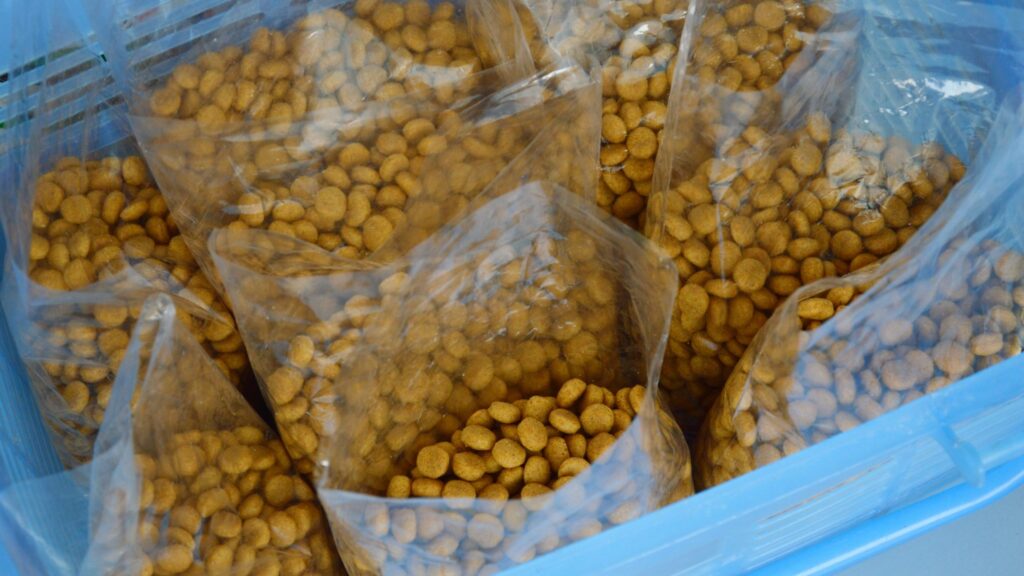
- Donations – Donations are the backbones of a successful food pantry, and they’re always in need of supplies. Along with bags of food, many pet food pantries also supply pet essentials. Some things you can help to supply:
- Cash donations are necessary to pay for expenses and supplies.
- Pet food, treats, and bowls are always in demand.
- You can also ask the food bank if they’re in need of toys, collars, blankets, litter, and other pet essentials.
How to Start a Dog Food Pantry
If you decided to start a pet food pantry on your own, you definitely can. But, a word of advice: Don’t do it haphazardly. You’ll need a solid plan. Even though this is a community service project, it’s still considered a business. You’ll want to structure the business as a non-profit organization. Any money/donations that move through the organization will need to be accounted for. Don’t attempt this without legal advice.
How to Make a Plan
- Get legal advice from an attorney, present your plan, and let him guide you.
- Find companies and sources willing to support the cause and donate.
- Find a location where you can set up and store supplies.
- Scout out volunteers. Spread the word to churches, shelters, veterinarians, local pet stores, neighborhood scout troops. Boy Scout and Girl Scout troops are usually very eager to get involved with neighborhood community service projects.