
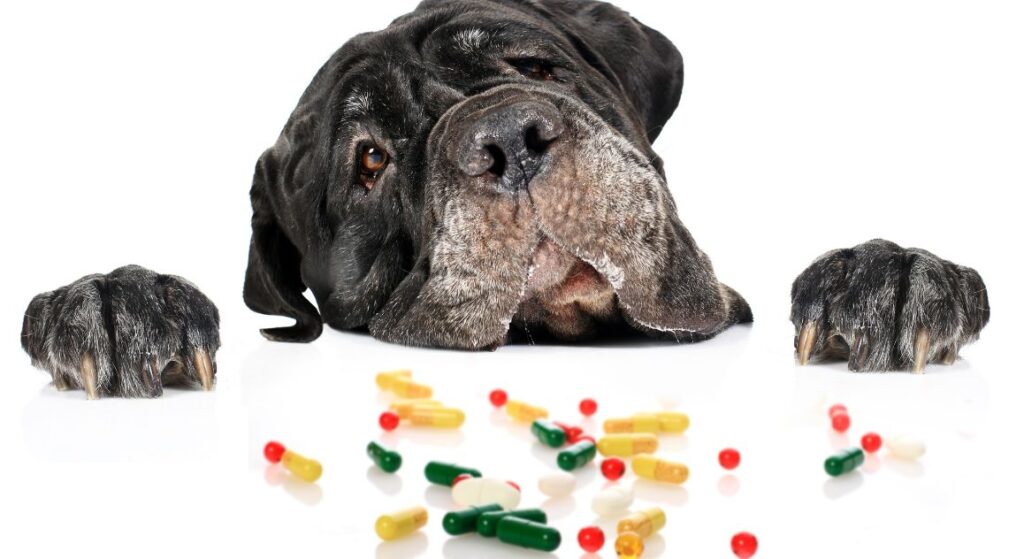
As dog parents, it’s our responsibility to provide a safe space for our furry family members. Pet-proofing your house goes beyond securing scrap-filled garbage cans and stowing away cleaning supplies. It also means safeguarding your medicine cabinet. Get this: Nearly 50% of all calls received by the Pet Poison Helpline involve human medications, both over-the-counter and prescription. That’s a lot! The following list is taken from the Pet Poison Helpline. The goal: To raise awareness and prompt proper medication storage.
1. NSAIDs (Non-Steroidal Anti-Inflammatory Drugs)
- Examples: Ibuprofen (Advil, Motrin), Naproxen (Aleve)
- Why they’re poisonous: NSAIDs are common pain relievers for humans, but even small amounts can cause serious harm to our dogs. They can lead to gastrointestinal ulcers and kidney failure. Symptoms of NSAID toxicity include vomiting, diarrhea, bloody stools, and decreased appetite.
2. Acetaminophen
- Examples: Tylenol
- Why it’s poisonous: Acetaminophen is extremely toxic to dogs, affecting their liver and red blood cells. Ingesting even a small dose can cause liver damage, leading to symptoms such as vomiting, lethargy, abdominal pain, and, in severe cases, death.
3. Antidepressants
- Examples: Fluoxetine (Prozac), Sertraline (Zoloft), Amitriptyline
- Why they’re poisonous: This is one of the top accidental poisonings in dogs reported to the Pet Poison Helpline. According to their website, “This type of medication is sometimes used in veterinary medicine (for behavioral problems). At even therapeutic doses, it can result in moderate to severe clinical signs. With accidental poisoning or ingestion, clinical signs from SSRIs include sedation or central nervous system (CNS) stimulation, anorexia, and lethargy. With larger poisonings, serotonin syndrome can be seen. Clinical signs of serotonin syndrome include: CNS sedation or stimulation, vomiting, tremoring, seizures, hyperthermia, diarrhea, abdominal pain, and dilated pupils.”
4. ADD/ADHD Medications
- Examples: Amphetamines (Adderall, Ritalin)
- Why they’re poisonous: These stimulant medications can be deadly for dogs. They can cause tremors, seizures, elevated body temperature, and heart problems. Rapid treatment is crucial to prevent severe outcomes.
5. Benzodiazepines and Sleep Aids
- Examples: Alprazolam (Xanax), Zolpidem (Ambien)
- Why they’re poisonous: While these medications are intended to reduce anxiety and aid sleep in humans, they can have the opposite effect in dogs. According to the Pet Poison Helpline, “About half of the dogs who ingest sleep aids become agitated instead of sedate.” However, symptoms can include severe sedation, slowed breathing, incoordination, and in extreme cases, liver failure.
6. Birth Control
- Examples: Estrogen, Estradiol, Progesterone
- Why they’re poisonous: When consumed in large doses, birth control pills contain hormones that can cause bone marrow suppression and toxicity in pets. Symptoms of ingestion include vomiting, diarrhea, and changes in the reproductive system. Intact female pets are at an increased risk of side effects from estrogen poisoning.
7. ACE Inhibitors
- Examples: Zestril, Altace
- Why they’re poisonous: Used to treat high blood pressure in humans, ACE inhibitors can cause hypotension (low blood pressure), dizziness, weakness, kidney failure, and heart disease in dogs. While typically less toxic than other medications, ingestion in large quantities can be harmful.
8. Beta-Blockers
- Examples: Tenormin, Toprol, Coreg
- Why they’re poisonous: These medications are used for heart conditions and high blood pressure. But, they’re dangerous for our dogs to consume … even in small amounts. In dogs, they can cause a steep drop in blood pressure and heart rate, leading to weakness, collapse, and even death.
9. Thyroid Hormones
- Examples: Levothyroxine
- Why they’re poisonous: Like people, dogs can also suffer from an underactive thyroid. “Interestingly, the dose of thyroid hormone needed to treat hypothyroidism in dogs is much higher than the dose needed for humans,” reports the Pet Poison Helpline. While a small one-time incident likely won’t result in severe issues, large acute overdoses in dogs can cause muscle tremors, nervousness, panting, a rapid heart rate, and aggression.
10. Cholesterol-Lowering Agents
- Examples: Atorvastatin (Lipitor), Simvastatin (Zocor)
- Why they’re poisonous: If your pup gets ahold of your pill bottle, it’s important to know these medications can cause vomiting and diarrhea in dogs. According to the Pet Poison Helpline, though, “Serious side effects from these drugs come with long-term use, not one-time ingestions.”

Tips to Keep Your Pup Safe
- Check the Floor: Dogs often get the opportunity to chow down on medications because their owners accidentally dropped a few. So, when taking your daily medications (or vitamins), take a moment to scan the ground. Double-checking your surroundings and ensuring no pills have fallen on the floor could save your dog’s life. I know that sounds dramatic, but remember: Even a single pill or dose of a human medication can be life-threatening to our dogs.
- Secure Pill Bottles: Child-proof pill bottles are no match for your canine kid. Dogs can easily chew through plastic pill bottles. So make sure to store all medications safely out of your dog’s reach.
Suspect Your Dog Has Consumed Human Medications?
If you suspect your dog has ingested any human medication, contact your veterinarian or the Pet Poison Helpline immediately. The Pet Poison Helpline’s number is (855) 764-7661. An $85 incident fee applies. Despite the charge, it’s important to contact a professional immediately. Early intervention is critical in preventing serious health issues and ensuring your pet’s well-being.