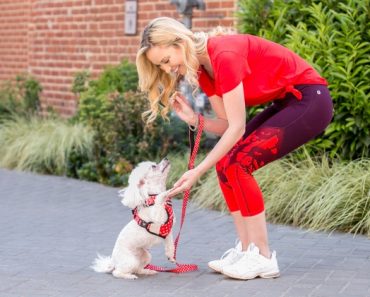
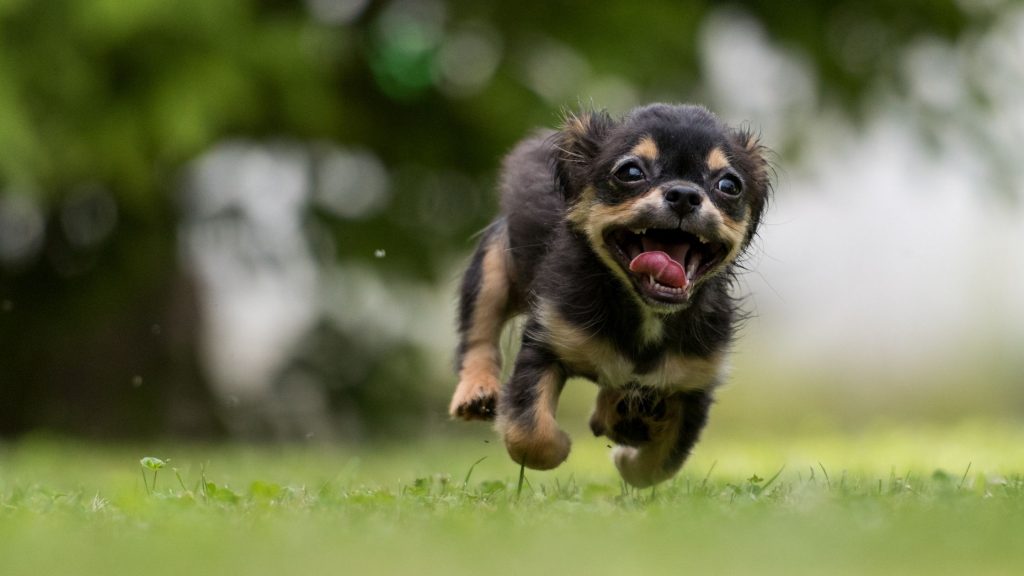
When it comes to puppy training, mastering a recall – coming when called – is essential, as it’s a potentially life-saving command. Take it from someone who has raised dogs for decades, chances are, you’ll accidentally drop your puppy’s leash or leave the front door open at some point in your dog’s life. If your dog knows how to come when called, it will help keep him out of trouble!
What You’ll Need to Train Your Dog to Come
- An enticing reward! If your puppy is food motivated then this may be a high-value treat, like small pieces of boiled chicken, little bites of plain canned salmon, sardine crisps, or baked beef liver. If your puppy prefers playtime then your reward may be a squeaky toy. (Note: If you are using treats, to avoid over-feeding, make sure to break each one into super teeny tiny bites.)
- Clicker, if you’re clicker training!
- A quiet, distraction-free room.
Training Tips
- Once you’ve chosen your pup’s reward, bring him to a quiet, distraction-free room.
- Back away from your puppy, leaving a little space in between the two of you.
- With the treat or toy in one hand, extend it toward your dog and wiggle the reward. In an excited and inviting tone, invite your puppy to Come. When saying the Come cue, make sure to speak clearly.
- Once your puppy comes to you, offer the treat or toy, along with lots of praise. Repeat this several times, gradually increasing the distance between you and your puppy.
- As your puppy gets comfortable with the Come command, begin practicing in an environment with greater distractions. Whether you’re in a room with other people or in your backyard, practice with your puppy on a leash. That way, if he doesn’t listen and come when called, you can gently tug on the leash to get his attention.
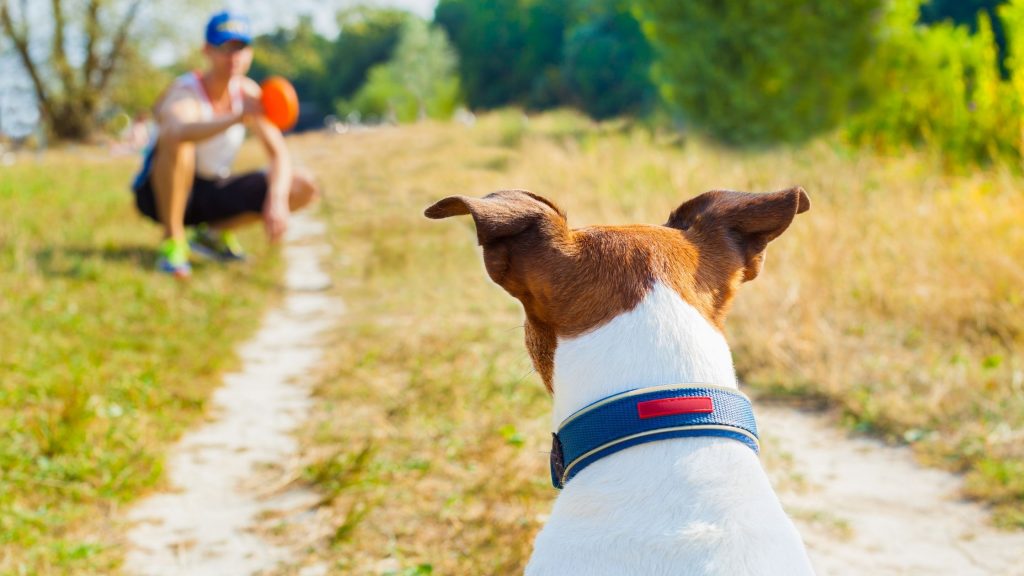
Troubleshooting
If your puppy isn’t responding to your reward, make it more valuable (i.e. a stinkier treat or a new toy)
If your puppy was starting to master the command, but suddenly stops responding when called, decrease the distance between you and your pup.
Go Slow & Be Patient
Keep training sessions short, about 10 to 15 minutes max. Since pups have short attention spans, it’s better to keep sessions shorter and carve out pockets of time throughout the day to train.
If you or your puppy are getting frustrated, end the training session. It’s important to maintain an upbeat tone to your voice and positive vibe, or your puppy won’t want to Come to you when called.