
There’s nothing quite like your dog lying their face down onto your bare skin and getting drenched with slobber. Yuck! At some point, you’ve probably seen a little drool dripping from the side of your dog’s mouth. Dogs are known for slobbering, and while a little dribble here and there is totally normal, excessive drooling can be a cause for concern.
Why Do Dogs Drool?
Drooling, or excessive salivation, is a natural bodily function for dogs. In general, they drool because saliva helps them eat and digest food – it’s a natural part of the canine digestive process. So, you may notice your dog start drooling as they get a whiff of their dinner and prepare to dig in! However, there are several other potential reasons dogs drool.
Other Potential Causes
- Excitement: What makes your dog excited? Maybe it’s when you reach for the leash, signaling your pup is about to go for a walk. Or, maybe it’s when you offer a new toy. Whatever the case, when your dog gets overly excited or anticipates something fun is about to happen, they may begin to drool.
- Stress & Anxiety: If your dog is put in a stressful situation (i.e. they’re left home alone, going to the vet, going to the groomer, or they’re in unfamiliar surroundings) they may drool.
- Nausea: Some dogs may drool when they’re feeling nauseous or sick, as a result of increased salivation. This can be a symptom of an underlying health issue and should be evaluated by a veterinarian.
- Motion Sickness: Along with nausea, nervousness from car rides can cause open-mouthed breathing, which leads to drooling. These causes are rarely medical emergencies.
- Dental Issues: Dogs may also drool if they’re experiencing dental problems, such as gum disease or an oral infection. This can be a sign that the dog needs a dental checkup and treatment.
- Heat Exhaustion: Dogs may drool excessively when they are overheated or suffering from heat exhaustion. This can be a sign of a serious health issue and requires immediate attention from a veterinarian.
- Foreign Object: If something is caught in your dog’s mouth, tongue, or between their teeth, they may begin to drool. This would be coupled with other symptoms, such as pawing at the face and choking.

Are Certain Breeds More Prone to Drooling?
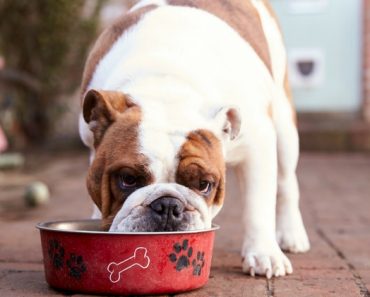
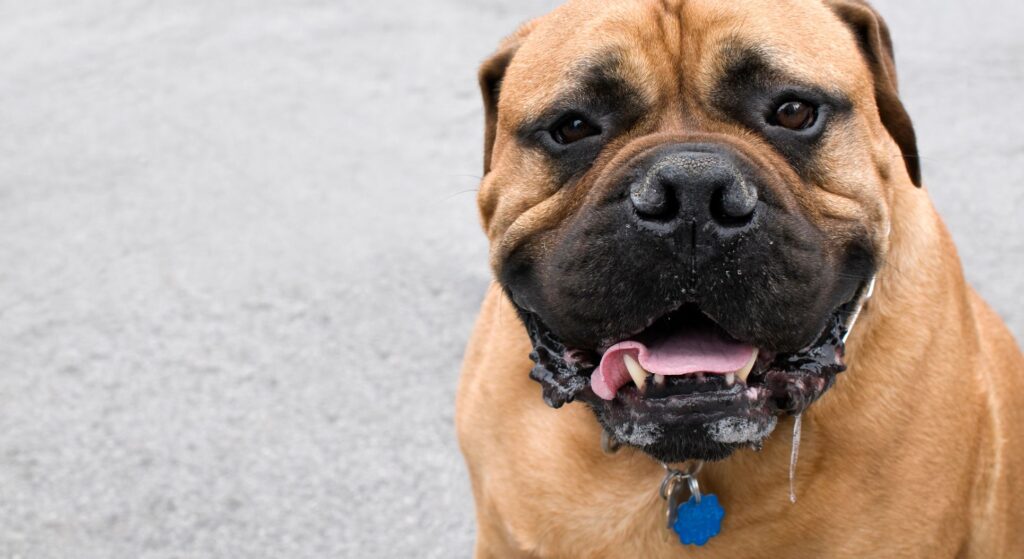
Yes! Certain dog breeds are known to drool more than others. This is often due to the shape of their mouth and the size of their jowls, which can affect how much saliva they produce and how it collects in their mouths. Here are some dog breeds that are known for their drooling tendencies: St. Bernard, Bloodhound, English Bulldog, Boxers, Mastiffs, and Great Dane.
Is Excessive Drooling Something to Worry About?
While occasional drooling is normal for dogs, excessive drooling can be a sign of a more significant issue. If your dog’s drooling is sudden, excessive, and out of the ordinary, it’s best to consult with your veterinarian to rule out any underlying medical issues. Here are some factors to consider when determining whether your dog’s drooling is cause for concern:
- Amount: If your dog’s drooling is excessive and persistent, it may be a sign of an underlying medical issue.
- Changes in Behavior: If your dog is also exhibiting other signs of illness, such as lethargy, loss of appetite, or vomiting, this is a sign something is wrong. Schedule a vet check ASAP.
- Pre-Existing Medical Conditions: If your dog has a pre-existing medical condition that affects their digestive system then they may drool more frequently.
- Ingestion of Toxins: If you suspect that your dog has ingested something toxic, excessive drooling may be a symptom. In this case, seek emergency veterinary care immediately.

How to Stop Excessive Drooling
The first step is to figure out what’s causing the excessive drooling. If you’re not 100% sure of the cause, talk to your vet. In the meantime, here are some articles that may help: