
Have you ever trimmed your dog’s toenails? If so, you’ve probably noticed a lone nail on the inner part of your pup’s front paws. This nail sits slightly higher than the others and doesn’t bear any weight. Take a look:
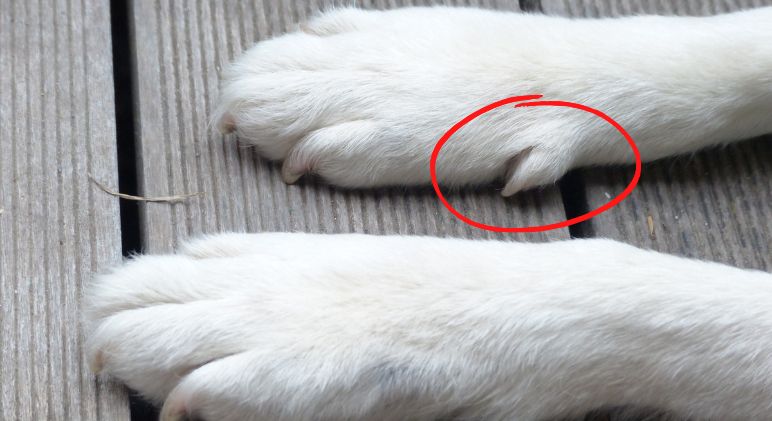
This is called a dewclaw.
Dewclaws are sort of like the doggy version of thumbs. Of course, they aren’t a direct equivalent. They aren’t opposable! But, they are similar.
Why Do Dogs Have Front Dewclaws?
While they aren’t considered essential, front dewclaws definitely serve a purpose.
For one: When in motion, a dog’s wrist may bend to the point where the dewclaws make contact with – and dig into – the ground. This helps to stabilize the carpus (AKA the wrist) and provide increased traction when running, jumping, turning, and stopping.
Dewclaws also help dogs get a better grip on items. Sure, our domesticated dogs aren’t out in the wild hunting prey. But, watch your pup’s paws next time he holds onto his favorite bone for a chew session. Chances are, you’ll see the dewclaws in action.
Do Dogs Have Rear Dewclaws?
While rare, certain breeds do have rear dewclaws. Great Pyrenees, Beauceron, and Icelandic Sheepdog are a few breeds that sport a “big toe”.
Do All Dogs Have Them?
Dogs are born with front dewclaws. If you’re raising a pup without them, that’s likely because they were removed.
Why Are They Sometimes Removed?
It’s common for some dog breeds to undergo dewclaw removal. In some cases, the removal is thought to improve the dog’s appearance for the show ring. In hunting and working breeds, it’s done to prevent potential injuries.
Typically, they’re removed by a breeder – or the breeder’s veterinarian – within the first week of a puppy’s life. When removed this young, the wound typically heals within a few days.
Occasionally, declaws are removed when a dog is older. This is typically due to injury. In such a case, the healing process may take up to two weeks.
Care
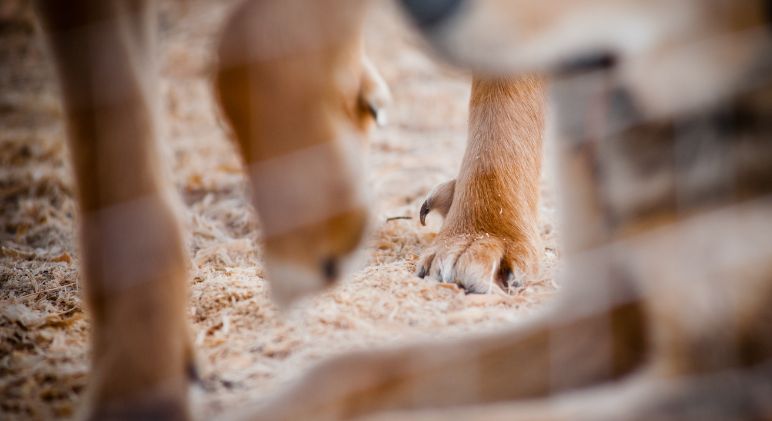
If your dog has dewclaws, it’s important to trim them regularly. Since they’re slightly removed from the rest of your pup’s toes, they’re easy to overlook. But, they can become overgrown. If they get too long, they will start to curl. Not only can they grow right into the paw’s skin (ouch!), but the longer the dewclaw, the greater the risk of getting caught on something. If a toenail gets caught on something, it may break or tear the nail. It can even fracture the toe.
If, at any point, your pup’s declaw becomes injured, it’s best to have a veterinarian take a look. Your vet may need to sedate your pup to trim ingrown dewclaws or remove damaged ones. They may also prescribe antibiotics and pain relievers, as nail injuries can be painful.
When trimming your dog’s dewclaws at home, keep this in mind: Like your pup’s other nails, under the dewclaw’s shell (AKA the hard outer portion of the nail) is a nerve called the quick. The quick supplies blood to the nail. If you trim too short and cut the quick, it will be painful and your dog will bleed. I share more about doggy nail trims in THIS article.