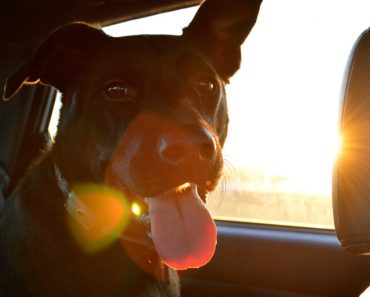

It happened in the blink of an eye. I rushed to my vet’s office as quickly as possible. But, as each minute passed, I watched my tiny Chihuahua’s paws grow larger and larger. It looked like he was wearing bright red, XL boxing gloves. And I’ll never forget his face. The poor pup’s snout puffed up, twice its size. My biggest fear was his throat would swell shut and cut off his ability to breathe. Luckily, the Benadryl and steroids shots made it into his system within minutes of his severe allergy attack (we live about 5 minutes from our vet’s office). Today, my little dude is back to living his best life. But, this scary situation all happened because of fire ants.
About Fire Ants
Fire ants, AKA red ants, can pose a danger to Fido. In addition to minor skin irritations, one too many stings can lead to potentially life-threatening toxicity.
Fire ants work together to build nests, which look like large dirt mounds. If you look closely, you’ll see a colony of ants marching around. Get this: The average colony contains 100,000 to 500,000 worker ants.
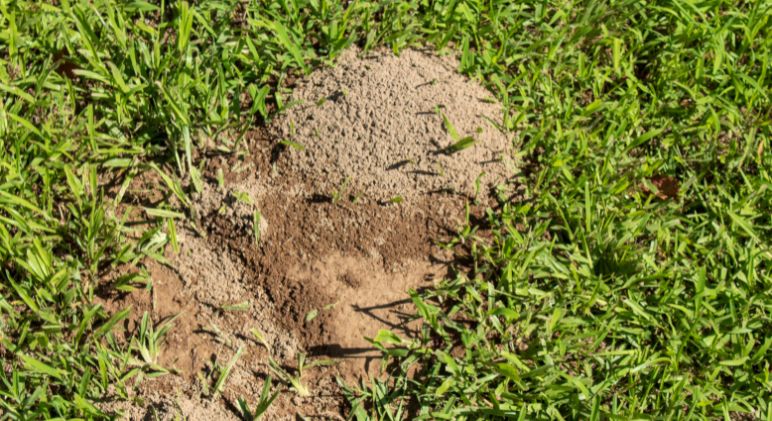
Fire ants usually build their nests near an object: sidewalk edges/cracks, patio edges, houses, or trees/bushes. But, you may also find their dirt-pile homes smack dab in the middle of your backyard. If curious Fido sniffs, stands in, or digs into a mound of aggressive fire ants, you can expect them to attack in swarms, latching onto your dog’s skin and stinging them repeatedly. Ouch!
Fire ants are part of a stinging group of insects. If your dog gets too close, the fire ants will use their strong jaws to latch onto your pup, and then use their stinger to inject venom. Unlike some stinging insects, fire ants don’t die after stinging. So, they can keep hurting your dog.

Symptoms of Fire Ant Stings on Dogs
Your dog’s reaction will depend on a few factors: How many fire ants stung them, their size, and how sensitive they are to venom.
One or two bites: While it’s possible for dogs to experience an anaphylactic reaction from just one sting, it’s rare. With one or two stings, you’ll likely notice red, raised bumps at the sting sites, which should improve within 24-72 hours. These stings are painful and your pup may feel itchy in those areas. If you notice your dog is uncomfortable, talk to your vet about offering Benadryl. Cool water baths can also help calm the skin. Please note: Monitor your dog closely to ensure minor skin irritations don’t morph into something more serious.
Aggressive red ant attacks: If your dog is repeatedly stung by a swarm of aggressive fire ants, severe symptoms may appear. They can come on quickly (as soon as several minutes) and can include:
- Red, inflamed skin
- Raised bumps/welts
- Severe swelling
- Vomiting
- Trouble breathing
- Seizures
- Loss of consciousness
These symptoms aren’t something to take lightly and warrant an emergency vet visit. Time is of the essence.
Our Experience
In our case, my Chihuahua happily pranced into the center of our yard and stood in place as he observed his surroundings. It took me a couple of minutes to realize he was standing on a fire ant hill! His front paws, legs, and face were all covered in ants. They were also in between his toes. I immediately brushed them off – some were difficult to remove, as they were in the process of stinging. Once he was ant-free, I rubbed him down with a grooming wipe and then began coating him with Natural Dog Company’s Skin Soother (one of my favorite natural waxes/balms). Luckily, I kept a close eye on him. After just 5 minutes, his skin began to swell. It became clear, he was having a severe allergic reaction. I immediately reached for my Pet First Aid Kit, gave him Benadryl, called my vet, and then rushed right over.
*I didn’t take any photos of his swelling because I was focused on getting him to the vet for care.
Treatment
If your dog experiences an allergic reaction to fire ants, your vet will likely administer a Benadryl shot and steroid injection. They may also give your dog oral steroids to take home and continue for several days. Antibiotics are usually not necessary unless your dog develops an infection.

Safely Removing Fire Ants from Dogs
If you see fire ants on your dog, immediately put gloves on (to protect yourself) and brush them off. Some ants may be difficult to remove, as their jaws are strong and likely in use, holding themselves onto your dog so they can inject venom. Experts recommend brushing the fire ants vs spraying them with water. Since fire ants get agitated easily – and will continue stinging when agitated – it’s essential to work quickly. Spraying them with water will likely not remove them fast enough.
Preventing Fire Ants
- Regularly inspect your yard for mounds. If you notice fire ant mounds in your yard, treat them immediately. There are many products available, look for one that will kill the queen and prevent the ants from returning. If you feel more comfortable, call a pest control professional. Whether you perform a home treatment or call in the professionals, read labels about dog safety.
- Do not use outdoor baits inside the home, as they attract ants.
- Clean any spilled food or drinks to prevent attracting ants. Additionally, keep dog food properly sealed in air-tight containers.
- Keep your dog away from anthills when out for walks.
- Keep your dog on a leash during walks and hikes.