
Fleas are one of the most common and persistent pests that dog parents face. These tiny insects can cause significant discomfort for your furry family member, and if left untreated, they can lead to serious health problems. As a responsible pet parent, it’s essential to understand what fleas are, why they’re dangerous, how to recognize an infestation, and what to do if your dog gets fleas. Here’s everything you need to know.
A Little About Fleas
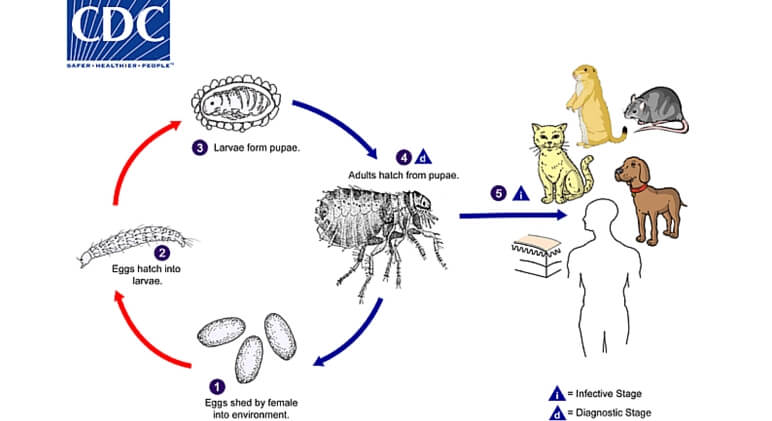
Fleas are very small, wingless parasites that can jump up to eight inches high. They have four life stages: egg, larva, pupa, and adult. Once fleas leave their cocoons and become adults they look for a warm-blooded host (i.e. your pet) to feed off. Shortly after fleas eat their first blood meal, they breed and begin laying eggs in your pet’s fur. Here’s another scary fact – a single adult female can lay about 40 eggs every day. Just think about that for a second. Once those eggs grow to be adults, they will keep feeding off your dog and reproducing. Plus, depending on environmental conditions, fleas can live anywhere from a couple of weeks to more than a year. So if you don’t kill the fleas ASAP and keep your home clean, you could be in for a real problem.
Why Fleas are Dangerous to Your Dog
- Itching, Discomfort, and Secondary Infection: Flea bites cause intense itching, which can lead to scratching, biting, and licking at the affected areas. This can result in hair loss, irritated skin, and hot spots.
- Flea Allergy Dermatitis: Some dogs are allergic to flea saliva, leading to a condition called flea allergy dermatitis. Even a single flea bite can trigger severe itching and discomfort for allergic dogs, making their skin problems much worse.
- Anemia: A severe flea infestation can cause anemia, particularly in puppies or small dogs. Fleas feed on your dog’s blood, and in large numbers, they can drain enough blood to cause weakness, lethargy, and, in extreme cases, life-threatening anemia.
- Tapeworms: Dogs can accidentally ingest fleas while grooming, which can transmit tapeworms. These intestinal parasites live in your dog’s digestive tract and can cause weight loss, vomiting, and diarrhea.
Warning Signs Your Dog Has Fleas
Fleas can be difficult to spot, especially if your dog has a thick coat. However, there are several signs to look out for:
- Intense itching or biting at the skin
- Excessive licking
- Dark specs – or flea droppings – in a dog’s coat (fleas are typically found near the tail, head, neck, and belly so check those areas first.)
- Tapeworm
- Pale gums
What to do if You Think Your Dog Has Fleas
Run a metal flea comb through your dog’s coat
If you suspect your dog has fleas, start by using a fine-toothed flea comb to remove fleas from your dog’s fur. Focus on areas where fleas like to hide, such as around the neck, base of the tail, belly, and groin. If you have live fleas on your comb, make sure to drown them in soapy water before they can jump away. If you see black, dirt-like specs on the comb that aren’t moving, they are probably flea droppings. Veterinarians say this is one of the first signs your dog does indeed have fleas.
Give your dog a flea bath
Bathe your dog using a flea shampoo, which kills fleas on contact. Make sure to use a flea-specific shampoo or one containing natural flea-repelling ingredients like citrus or eucalyptus. Be sure to follow the instructions on the product carefully, leaving the shampoo on your dog for the recommended time before rinsing. A flea bath provides immediate relief by washing away fleas, flea eggs, and dirt.
Treatment
Speak with your veterinarian about choosing the right flea treatment. There are a lot of different types of products out there – including topical treatments and oral treatments. If you prefer to avoid chemicals, there are also natural remedies you can try. Check out this great video by IB Pet for some natural flea treatment ideas:
Clean … clean … clean
After treating your dog, be sure to clean their environment. Fleas eggs can fall off your dog when they are walking or lying down, so it’s important to thoroughly clean your house. Wash all bedding in hot water, toss your dog’s plush toys in the washing machine, and vacuum carpets and furniture. If you were dealing with a severe infestation, you may consider using a flea spray or fogger in your home to kill any remaining fleas or eggs.
Future Prevention
Routine Prevention – If you aren’t comfortable with the monthly topical or oral flea prevention recommended by your vet, you can stock up on some of the natural sprays (like Wondercide), essential oils, diatomaceous earth, and nematodes mentioned in the video above. Check out the natural recipe by Dogs Naturally in the infographic below:

- Regular Grooming
- Vacuum often
- Wash bedding often
- Keep grass short
- Remove yard debris
- Plant flea-repellant plants in your yard, like lavender, mint, and rosemary
- Limit exposure to flea-prone areas
Good luck!