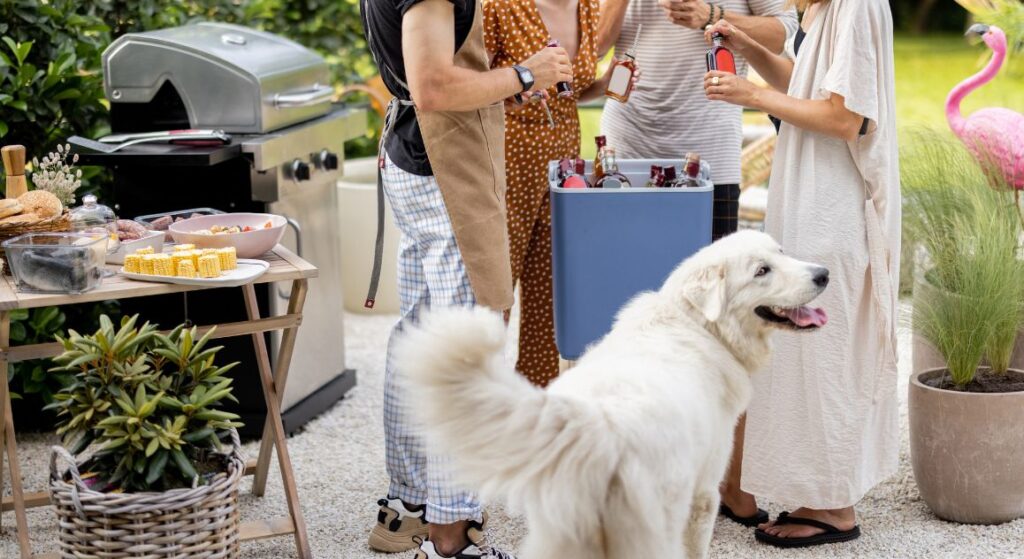
Summertime is filled with fun activities, and BBQs are a staple of the season. As you soak up the sunshine and indulge in delicious food, it’s natural to want your furry family member to tag along. While Fido deserves an invitation, bringing your doggo to a BBQ comes with certain risks. To ensure a safe and enjoyable experience for everyone, here are some essential safety tips to keep in mind.
Corn Cobs
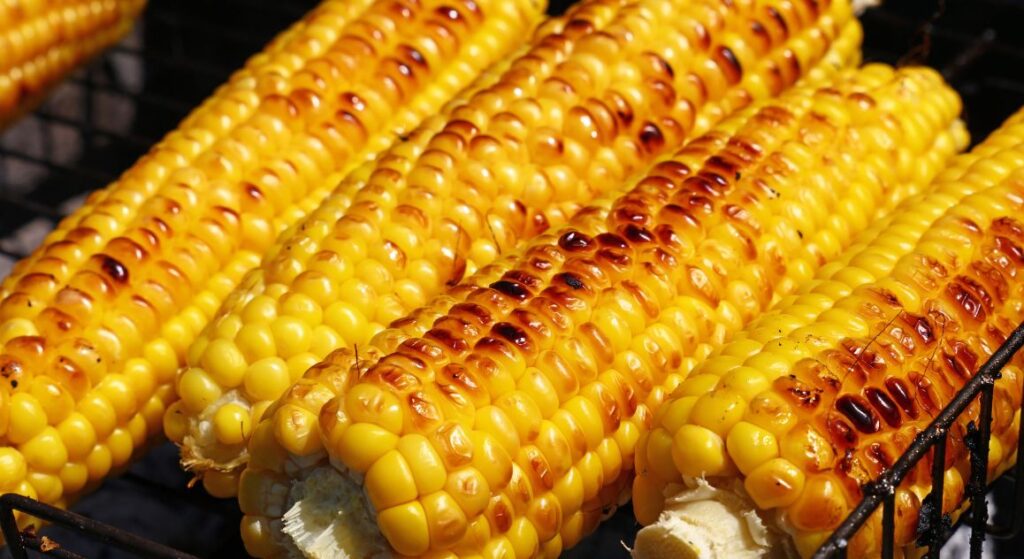
While plain and cooked corn kernels aren’t dangerous to our dogs, pet parents need to keep corn on their cobs far away from their furry family members. If your dog nibbles on, and then swallows, the cob, there is a risk of choking and serious intestinal blockage. According to VetsNow: “Corn cobs are treated as ‘foreign bodies’ so your vet will perform a full physical examination and may also carry out blood tests, x-rays, and an ultrasound. Your dog may have to go under general anesthetic to have the foreign object removed. The health of your dog’s intestine will be assessed and in the most serious cases, it may also be necessary to remove a portion of the damaged intestine.”
Sharp Skewers
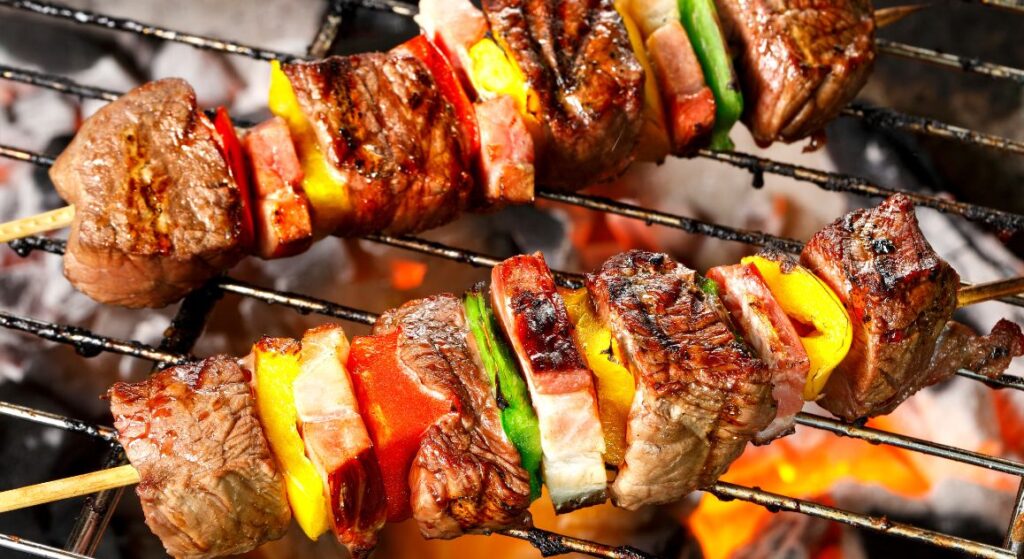
Skewers are a common BBQ item and once they’re loaded with yummy meats and veggies, your dog may be tempted to eat one. But they can be extremely dangerous if ingested by your dog. Whether they’re made of wood or metal, skewers can cause internal injuries, puncture wounds, and blockages. Ensure all skewers are kept away from your dog’s reach and be mindful of where you dispose of them after use.
Anything with Onions
Onions are highly toxic to dogs and can cause hemolytic anemia, which is damage to a dog’s red blood cells. It can cause them to rupture/burst. Consuming even small amounts of onions is dangerous, so keep them away from your pup. Watch for fresh onion, along with foods seasoned with onion powder.
Fatty Meats
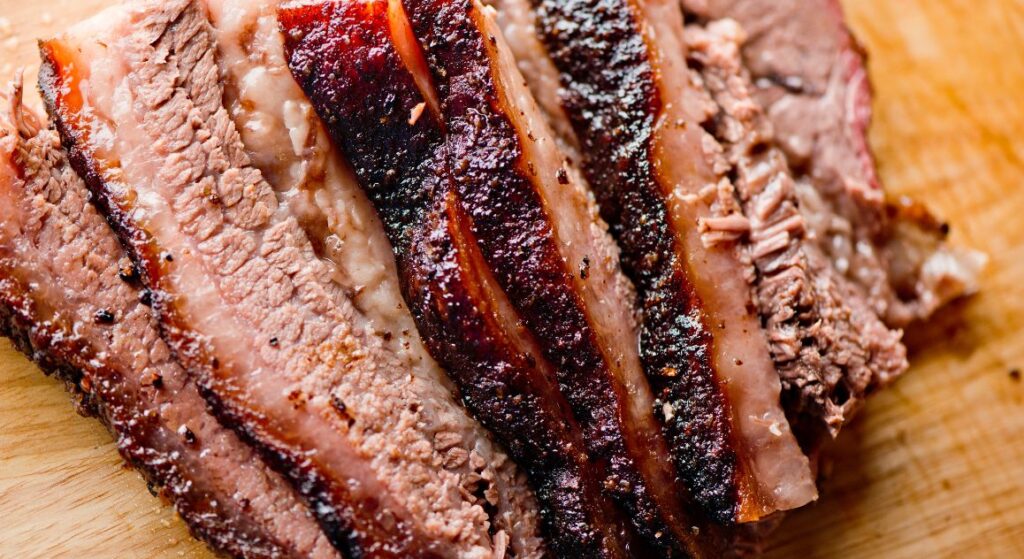
While it’s tempting to let Fido indulge in freshly grilled meats, sharing isn’t always caring. Feeding your dog too many bites of fatty meats can lead to pancreatitis, a painful and potentially life-threatening condition. Pancreatitis is inflammation of the pancreas and is often triggered by eating fatty foods. Symptoms include vomiting, diarrhea, abdominal pain, and lethargy. Stick to unseasoned lean meats and offer them in moderation.
Cooked Bones
While dogs and bones seem like a match made in heaven, never give your dog cooked chicken, turkey, or other meat bones. Many of these cooked bones are brittle, making them unsafe for your dog. Some potential dangers include:
- Splintering of the bones
- Cuts and/or scrapes in your dog’s mouth
- Choking hazard
- Intestinal blockage
- Gastrointestinal bleeds

Alcohol
BBQs often feature a cooler filled with beer and seltzers. Plus, you may find yourself busting out the wine or hard liquor. Whatever your drink of choice is, don’t let your pup accidentally take a few licks. If your dog does drink alcohol, ethanol will be absorbed into his system. It’s important to understand that a dog’s metabolism can’t process ethanol like yours can. Your pooch will likely get drunk and experience symptoms such as confusion, lack of coordination, difficulty breathing, and even seizures. If your dog does lap up your booze, call your emergency vet immediately.
Trash
The smells of BBQ leftovers tossed in the trash can be enticing to dogs. Good enough to go dumpster diving, perhaps! To avoid an unwanted trip to the vet, make sure to keep all trash cans covered and placed in an area inaccessible to your dog.
Heat Exhaustion
Dogs can easily overheat during summer BBQs, which can quickly turn into a dangerous situation. Heat stroke and heat exhaustion are serious conditions that can become life-threatening if not addressed promptly.
- Heat Exhaustion: Heat exhaustion occurs when a dog’s body temperature rises above the normal range but has not yet reached the critical levels of heat stroke. It’s essentially the body’s response to overheating, characterized by excessive panting, drooling, and lethargy.
- Heat Stroke: Heat stroke is a more severe condition that occurs when a dog’s body temperature exceeds 104°F (40°C). This can lead to cellular damage, organ failure, and, if not treated promptly, death. It’s a medical emergency that requires immediate attention.
When temperatures hover around 80ºF, exercise caution. If they’re 90ºF or above, this is considered extremely dangerous for most dogs. Keep them indoors in a cool environment as much as possible. Whatever the temperature, though, provide a shaded area where your dog can retreat from the sun. Also, ensure they have access to plenty of fresh water at all times.
Supervision
Always watch your dog to ensure they’re not eating something they shouldn’t, getting into potentially dangerous situations, or trying to dig their way out of a fenced backyard. Either keep your dog on a leash or consider setting up a designated dog-friendly area where your pup can enjoy the festivities safely.