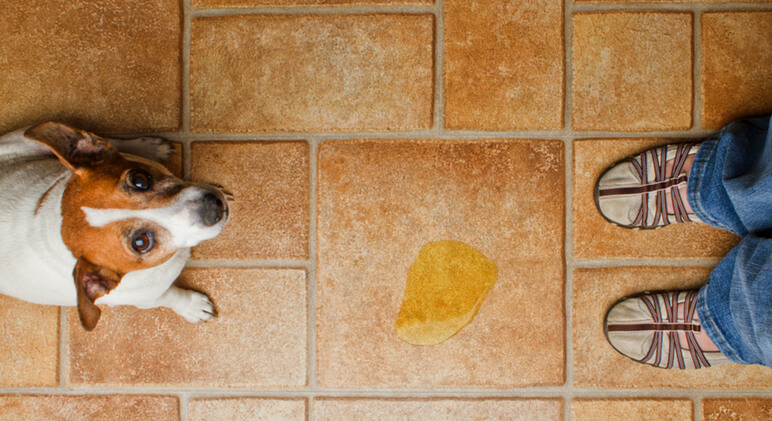
One of the most frustrating things for pet parents is finding surprise pee puddles from Fido on the floor. But, it’s a fact of life – your pup will pee in the house at some point. Even the most well-trained fur kid can have an accident (or an on purpose) from time to time. Read on for six common reasons your dog is peeing in the house and what you can do to prevent it.
1. Just Not Fully Potty Trained Yet
During the potty training phase, you can expect Fido to have an accident or two … or three … or four. Young puppies don’t have full control over their bladders yet, they don’t know how to communicate their urges to urinate, and they have no clue they aren’t allowed to “go” outside. So, it’s up to you to look for warning signs – like sniffing the floor, circling, and whining – and develop a strict eating/potty schedule. Click here to see 7 steps that make potty training easier.
2. Excited Peeing
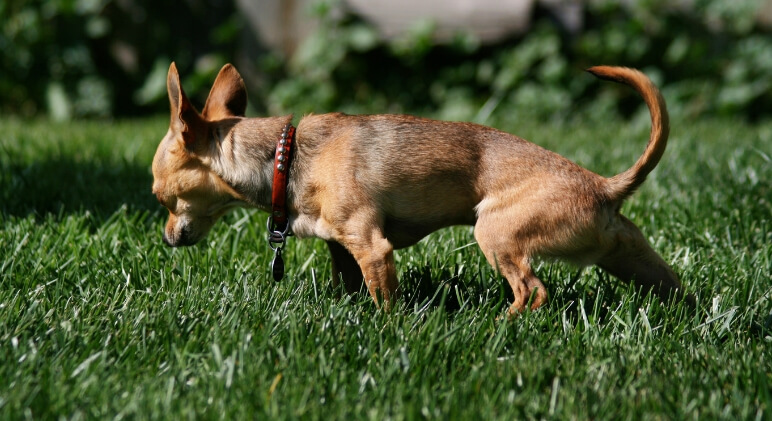
It’s common for puppies to pee when they feel overjoyed. It usually happens when they first see someone or during playtime. While most dogs outgrow this behavior once they mature into adult dogs, you can help curb exciting peeing by keeping greetings low-key.
Here’s the routine that worked for me: After you walk into your home, ignore your puppy. I know how it sounds, but trust me. Since petting and eye contact are enough to get some wee-ers squirting, when you first walk through your door, just walk past your puppy, grab his leash, calmly hook it up to his harness, and head outside. Once your puppy has gone to the bathroom, give lots of praise. Check out this article on excited peeing.
3. Territorial Marking
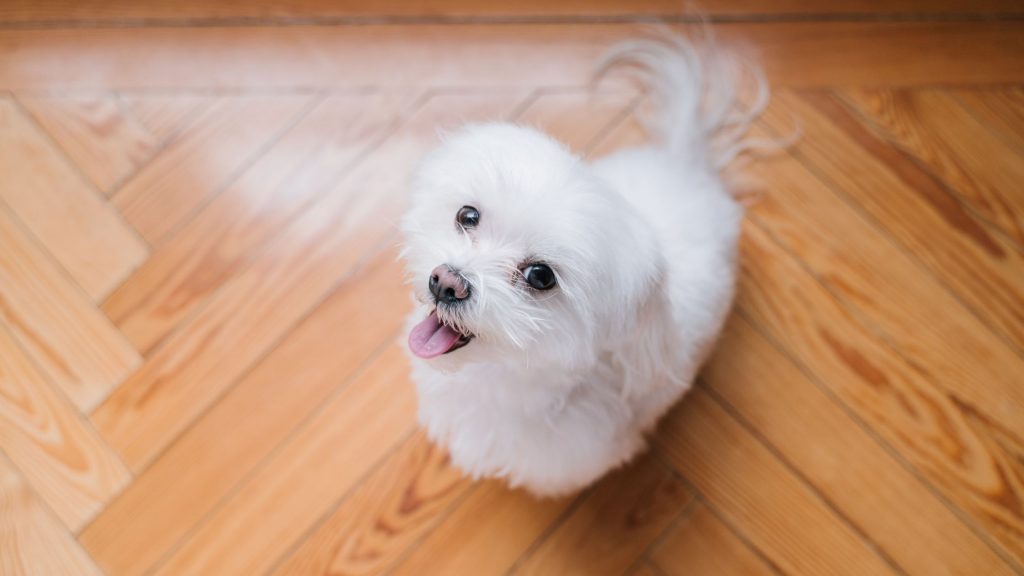
Does your fur baby often lift his leg and give a little pee squirt? If so, he’s marking. Urine marking is different than having an accident in the house. When marking, a dog will squeeze out a small amount of urine to put his scent on various objects. It’s your dog’s way of saying, “I’ve been here and this is mine now!” Dogs often mark new items – especially if they come from a place with other dogs. It’s also common for dogs to mark when visiting a hotel or someone else’s home. While marking is often thought of as a male dog trait, females do it too!
How To Stop Marking Behavior
- Since the largest percentage of urine markers are intact males and females, many experts recommend neutering or spaying to reduce hormonal urges. Talk to your veterinarian about this.
- Thoroughly clean and disinfect any marked area, as the scent of previous marks can encourage repeat marking. Use an enzyme-based cleaner so no scent is left behind. Check out my step-by-step guide to properly cleaning up pet urine HERE.
- While attempting to break the habit, keep a watchful eye on your pup. If you can’t supervise your dog then confine him to either a crate or exercise pen.
- While supervising your dog, if you notice an attempt to mark, redirect his attention.
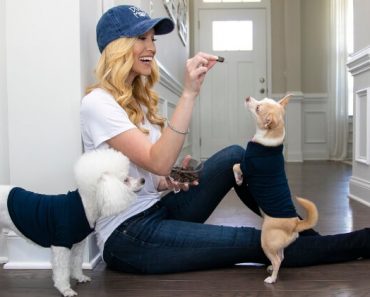
- When visiting a hotel with other pets or a friend’s house, consider putting your little marking pup in a doggy diaper or belly band. This isn’t a fix. Rather, it’s more of a temporary band-aid. But, I bet your host will really appreciate it!
4. Medical Issues
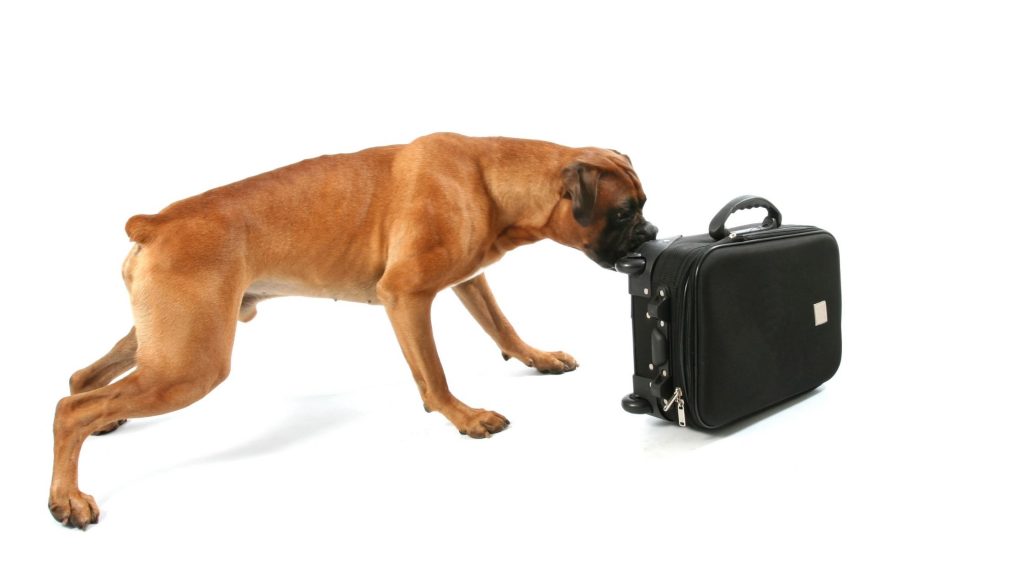
Various medical conditions – such as urinary tract infections, bladder stones, kidney issues, prostate disorders, diabetes, etc. – can increase your dog’s urgency to go. In many cases, these conditions can trigger incontinence. If you notice your dog leaving little urine dribbles all over the house, and even wetting the bed, then he may be losing control of his bladder. According to VCA Hospitals, “Urethral incontinence is most common in middle-aged to senior, medium to large-breed female dogs although any dog may be affected.”
Possible causes include:
- Spinal injury
- Nerve damage
- Brain disease
- Prostate disorders
- Urinary tract infections
- Urinary stones
- Certain medications
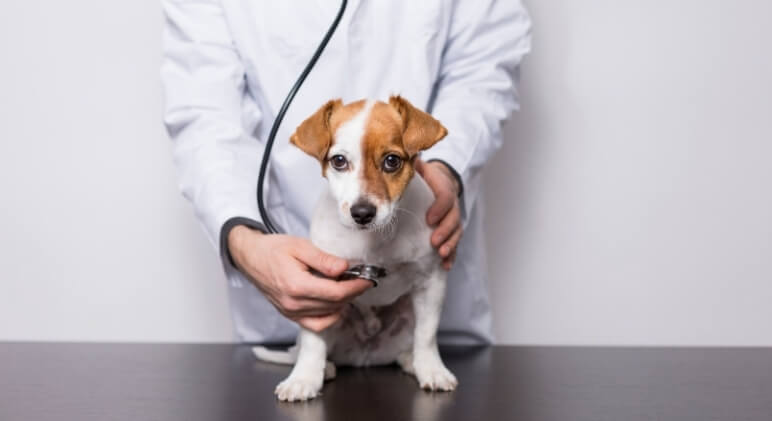
If you suspect your pup is incontinent, schedule a vet visit ASAP. Your pooch will need a medical evaluation to determine exactly what’s causing the problem and treatment will depend on the underlying cause. Don’t scold an incontinent dog for having accidents in the house – he likely doesn’t even know he’s eliminating until it’s too late. Instead, work with your vet and increase the frequency of potty breaks. Start taking your dog out immediately after waking up, eating, and drinking (very similar to how you treat a young puppy).
5. Stress
Dogs may also urinate inappropriately when they’re feeling stressed out. Sure, dogs may not deal with the same stressors as us humans do. But that doesn’t mean they can’t feel anxious at times. Something as simple as leaving Fido at home while you run errands can cause separation anxiety in some dogs. Then there are lifestyle changes, such as moving, getting a new pet, bringing home a new baby, or a family member moving out, that can lead to canine stress and anxiety.

6. Changes In Your Dogs Schedule
Dogs thrive on consistency. I even wrote an entire article on why developing a daily schedule is the key to success when training a new puppy. But here’s the thing: Daily schedules only work if you stick to them! If your well-trained pooch suddenly started urinating in the house, it may be because he’s off schedule and can’t hold it any longer. Think to yourself:
- Are you working longer hours and leaving your pooch alone more than usual?
- Have you changed his eating schedule? Changes in when or how much a dog eats or drinks can affect bathroom habits.
- Have you shortened your walk time because your schedule has gotten too crazy? Maybe they haven’t fully emptied themselves during your walk.
The Bottom Line
If your pooch is peeing in the house, take some time to figure out why. Once you do, you’ll be able to start working on a solution. Don’t lose your temper or yell — that will only make matters worse. If it turns out your pooch has a health problem that can’t be treated or fixed, you may want to consider doggy diapers or a belly band. They’re readily available in most pet stores.