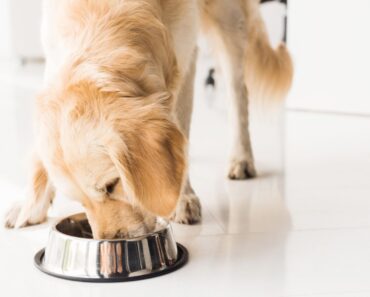

As dog parents, bringing our pups to the vet for their annual wellness visit goes with the territory. We expect and plan for them. But, just like with us humans, sometimes our fur kids don’t feel good or we notice something “off.” So, we reach for the leash, hop in the car, and head to the doggy doctor for answers. I’ve compiled a list of 10 common reasons dogs visit the vet, along with a link to my full article on each subject.
1. Ear Infections
Has your dog ever suffered from an ear infection? According to Dr. Nina Mantione from Petplan Insurance, “Ear infections are one of the most common health problems that trigger a pet owner to bring their dog or cat to the veterinary clinic for a sick visit.” Growing up with six poodles, I’m no stranger to doggy ear infections. They’re especially common for dogs with floppy ears. No matter how many you may have dealt with, though, it’s always upsetting to watch your dog whimper as he feverously scratches away at his ear. Symptoms of an ear infection include:
- Pain and discomfort
- Head tilting or shaking
- Scratching
- Brown, reddish-brown, or yellowish discharge
- Smelly ears
- Swollen outer ear
- Reddened ear canal
If your dog has an ear infection, a vet visit is warranted. Ear infections will not go away without treatment and can progress to permanent damage, including hearing loss and deafness.
For more on ear infections, the types, common causes, and prevention, check out my article, “5 Tips To Prevent Ear Infections In Dogs,” HERE.

2. Urinary Tract Infections
If you’ve ever had a Urinary Tract Infection (UTI) then you know it can be quite uncomfortable and painful. Oh, I can feel the awful burn just thinking about it. While UTIs are quite common in humans (especially for us women), did you know your dog can get a UTI too? According to Merck Veterinary Manual: “Bacterial UTI is the most common infectious disease of dogs, affecting 14% of all dogs during their lifetime.” So, since our canine companions can’t simply tell us when they’re experiencing a UTI, the big question is: How do you know if your dog has a UTI? Signs include:
- Straining to urinate
- Whimpering and quickly stopping the urine stream
- Frequent urination
- Bloody, pink-tinged, cloudy, or smelly urine
- Your otherwise trained pup is having accidents in the house
Any of these signs are clues that your pooch may have a UTI. Urinary Tract Infections caught early are easy to treat. Untreated infections can progress and cause damage. And … UTI’s are painful. Read my full article, “Urinary Tract Infections In Dogs (UTI): Symptoms, Treatment, And Prevention,” HERE.
3. Osteoarthritis (OA)
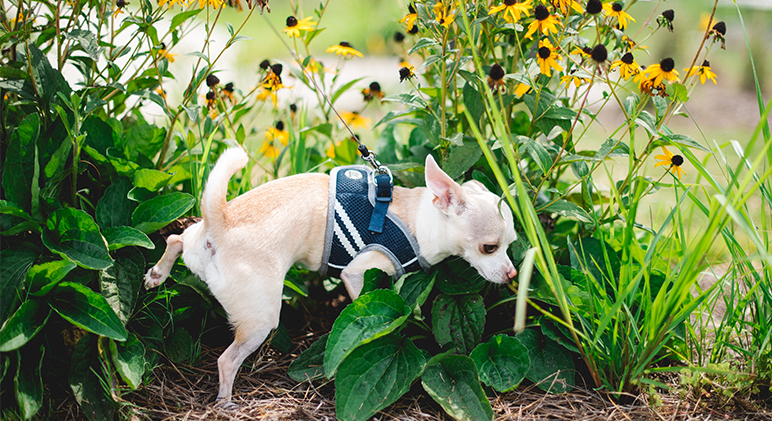
Osteoarthritis is a common orthopedic condition in dogs. It’s most common in older, large-breed, and overweight dogs. But any dog can become its victim. OA is a progressive, degenerative disease of the joints that can have devastating effects. Just like humans, dogs have cartilage between their joints to cushion and protect their bones. When cartilage in the joints begins to thin, it causes the bones to rub against each other and eventually wear out or break down. There is no cure, but there is treatment. The focus of the treatment is to:
- Keep your dog functioning at his maximum potential
- Decrease inflammation
- Minimize pain
- Increase comfort and your dog’s quality of life
- Slow the progression of the disease
Older dogs are the most likely to be diagnosed with OA. But, in most cases, it’s already more advanced upon diagnosis. That’s because dogs are stoic beings and will usually hide signs of pain from you. No one knows your dog better than you. If you start to notice subtle changes in Fido, such as he’s moving a little slower or taking a little longer to jump onto the couch, red flags should go up. If it continues, consult with your veterinarian. Diagnosis in earlier stages of the disease will translate into less joint damage and a jump start to earlier treatment. According to VCA hospitals, ” By most estimates, 20% of all dogs (regardless of age) are affected by OA, making it the most common chronic disease they face.” For more information on OA, read my full article, “Top Six Warning Signs Of Arthritis,” HERE.

4. Pyoderma – Hot Spots
A hot spot (also known as acute moist dermatitis) is an inflamed and infected area of your dog’s skin that appears red, raw, moist, and oozing. Dogs may also experience hair loss around a hot spot, as a result of licking, rubbing, and biting at the area. These itchy and painful sores can appear quickly and worsen rapidly. While hot spots are incredibly frustrating for your dog to deal with, there is some good news: They can be treated and even prevented!
Hot spots are a secondary infection that can be triggered by just about anything that causes your dog to obsessively scratch, lick, or bite at an area of their skin. A while ago, I interviewed Dr. Ashley Gray, DVM – a veterinarian in the Charlotte, NC area. We talked about Hot Spots and she explained what they are, what triggers them, treatment plans, and prevention. Here is what she shared with me: Read my full article, “Hot Spots on Dogs: Triggers, Treatment, & Prevention Tips” HERE.

5. Anal Glands
All dogs—no matter their size, gender or breed—have two small sacs located on each side of their anus, sitting at around 4 and 8 o’clock. You’ll hear them referred to as anal sacs or anal glands. Their purpose? They produce an oily and smelly excretion that is used to identify and mark territory. Get this—each dog’s excretion has its own unique and distinct scent. According to the AKC, this fishy-smelling fluid “tells other dogs such things as your dog’s sex, health, and approximate age.”
Usually, your dog’s anal glands drain themselves when your pooch passes a healthy bowel movement of normal consistency. However, poor diet or an inherited biological problem can cause something called Anal Sac Disease (that’s the term used to describe problems with the anal glands).
When anal glands don’t empty properly, they can become inflamed, impacted, and abscessed. This causes a lot of discomfort for your canine. According to Embrace Pet Insurance, “About twelve percent of dogs (and even some cats) have issues with their anal glands.” Read my full article on Anal Glands, “Why Does My Dog Smell Like Fish?” HERE
6. Atopic Allergies
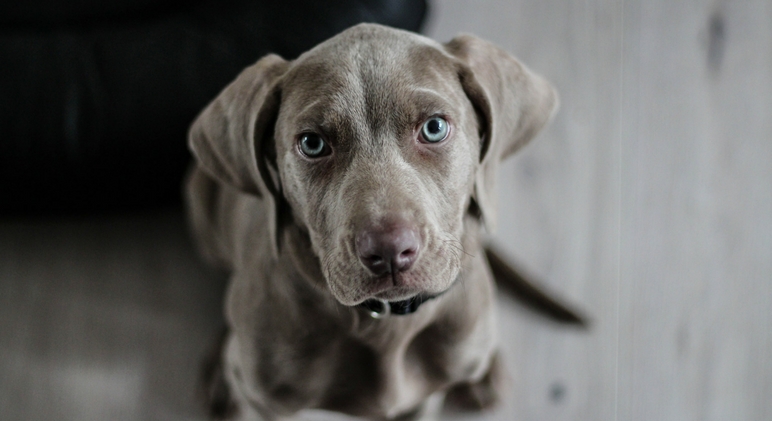
Have you noticed your dog constantly biting and licking his paws? If you answered Yes, you’re not alone. Each year, at the start of Spring, I usually notice my Chihuahua gnawing away at his paw-pads. As a concerned pet parent, I always want to make sure he’s as healthy and comfortable as he can be. It’s heartbreaking to see him biting and licking himself, in search of relief. The most common cause: Canine atopic dermatitis. It’s a common skin disease that results from chronic inflammation and is associated with allergies. According to Embrace Pet Insurance, “This is an especially common condition for dogs, in which 3% to 15% of all dogs are reportedly affected.” For my full article on Atopic Allergies, “Why Is My Dog Always Biting His Paws, HERE. The article outlines Causes, Warning Signs & Symptoms, Treatments, and the Most Susceptible Breeds.

7. Obesity
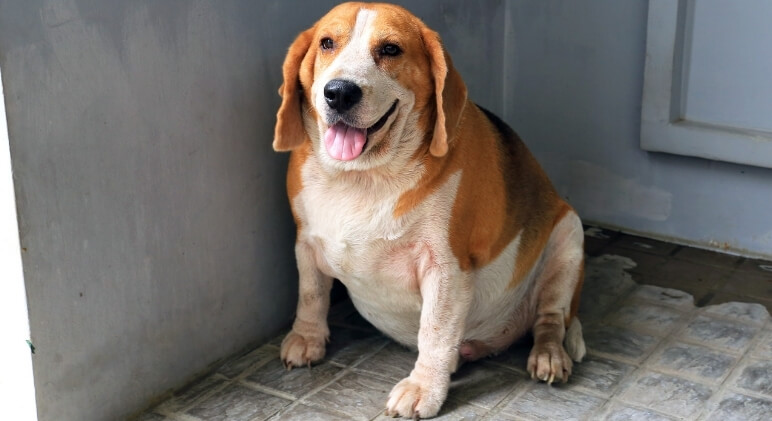
Obesity is at epidemic proportions in the U.S., with 35% of human adults and 15 – 20% of children considered obese. So, is it any wonder that our furry kids are experiencing their own obesity crisis? A study conducted by the Association for Pet Obesity Prevention found that 56% of dogs in the United States are overweight! That is approximately 50 million dogs!
If your dog has been packing on the pounds, losing weight should be a priority. Just like in humans, the extra pounds can lead to a host of health issues. Obesity puts a strain on the joints, promotes diabetes, heart and lung disease, some cancers, and the list goes on. The final consequence of obesity is often a shortened lifespan. If your dog suffers from obesity, check out my full article, “Top 5 Causes of Dog Obesity & How To Manage Your Pup’s Weight” HERE. The article addresses causes, risks, and management.
8. Diarrhea
Doggy diarrhea…what can I say, it happens! It’s common and can have numerous causes, ranging from a minor issue (like dining on too much grass) to something very serious (like parasites and life-threatening viruses). Diarrhea is a symptom that something else is going on. Before you can even think about treating doggy diarrhea, it’s important to try and figure out the cause. In general, a single bout of diarrhea in dogs shouldn’t cause too much concern. However, if your dog has any other symptoms like:
- Bloody diarrhea
- Decreased appetite
- Vomiting
- Fever
- Lethargy and weakness
- Dehydration
then something serious may be going on that needs to be diagnosed and treated. Normally when we think of diarrhea, we don’t usually get too alarmed about it, but untreated diarrhea that doesn’t go away can have dire consequences. Read all about diarrhea in my full article “Poop Problems: What You Should Know About Dog Diarrhea,” HERE
9. Dental Health
How would you rate your dog’s dental health on a scale of 1 being the worst to 10 being the best? Unfortunately, the majority of adult dogs would be ranked toward the low end of the scale. In fact, according to Dogs Naturally, more than 70 percent of dogs and cats will suffer from periodontal disease (AKA gum disease) by the time they’re just two years old. Unless you take action early on, your dog’s teeth will just worsen with age. Periodontal disease can have devastating effects on your dog’s mouth and general health. It can cause:
- In the mouth
- Stinky breath
- Pain
- Bleeding gums
- Loose teeth and tooth loss
- Bone loss
- Systemically
- Heart Disease
- Liver Disease
- Kidney Disease
For more on Dental Health, check out these 2 articles:

10. Vomiting
If you’re a dog mom (or dad), at one time or another, you’ve probably found a pile of dog vomit on the floor. Your dog may have eaten too quickly, run around too soon after a meal, or eaten something that didn’t agree with him. And, although most times it’s nothing to worry about, vomiting can be a warning sign of something serious. So, if your pooch pukes, you need to try and figure out why.
Did he vomit multiple times within a few minutes or has he been vomiting throughout the day? It all matters. Also, what does it look like? Vomit can be a range of different colors, textures, and odors.
If your pooch does wind up needing a vet visit, the more details you can supply – the more helpful it will be. Check out my full article, “Dog Vomit Guide: What Your Dog’s Puke Means,” HERE. It provides information on what you need to know when your dog vomits!