What kind of food do you feed your dog? While fresh food is gaining popularity, kibble remains a staple in many households. If your pup is thriving on dry food, that’s fantastic! However, there are several widespread myths about kibble that need to be debunked. Read on as we expose the truth behind five common beliefs.
Myth 1: Kibble Helps Keep a Dog’s Teeth Clean
Have you ever heard someone say dry and crunchy kibble helps to clean a dog’s teeth? The idea behind this popular notion is that crunching down on kibble will naturally scrape the teeth clean. But, I only have one thing to say: It’s simply not true. That’s like believing cereal, pretzels, or potato chips will clean your teeth!
When your dog eats regular kibble, tiny food particles are left behind and stick to their teeth. Plus, most kibble is high in starch and fillers that break down into sugar. Unless brushed away, those leftover food particles mix with bacteria in the mouth, collect along the gumline, and cause plaque to form. According to VCA Hospitals, plaque forms within just a few hours after eating a meal. And within 24 hours, that plaque begins to harden. As gummy plaque accumulates, mineralizes, and hardens, it becomes tartar. Additionally, the texture of most kibble is too soft to have a significant abrasive effect on plaque and tartar.
Still skeptical? Let’s look at the raw numbers. An estimated 80 to 90 percent of pet dogs are fed processed dry food/kibble. Now get this … According to VCA Hospitals, “Dental disease is one of the most common medical conditions seen by veterinarians. Over 80% of dogs over the age of three have active dental disease.” Hmmm … it doesn’t sound like kibble is doing a great job cleaning teeth!
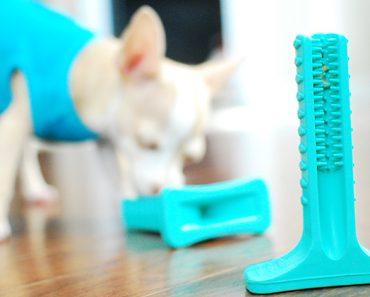
The best thing you can do to keep your pup’s pearly whites in tip-top shape is to brush them. Check out our step-by-step guide HERE.

Myth 2: It’s a Cinch to Store … and Lasts Until Your Dog Finishes the Bag
Many dog parents believe kibble is easy to store and has an indefinite shelf life. While kibble is arguably more convenient to store than frozen or refrigerated fresh food, it still requires proper handling to maintain its quality and safety. A few important notes:
Pay Attention to the Expiration Date
Check the expiration date and try to choose a bag that has the latest date. The further away from the expiration date, the fresher the bag of kibble (well, as long as the bag is sealed and totally intact). It’s important to note: The expiration date only counts toward a bag that’s sealed and intact. Once the bag is opened, the expiration date is no longer accurate. As soon as you open the bag, air and oxygen hit the kibble and the oxidation process begins. Oxidation is where a chain of chemical reactions oxidizes the fats and turns them rancid. Rancid fats decrease the nutritional quality of the kibble, as well as make the food potentially toxic. That’s why it’s so important to store kibble properly. The less amount of oxygen that gets to the kibble, the longer it will last.
Don’t Just Go for the Largest Bag
If you have a 5-pound dog then you don’t need a 40-pound bag of kibble. Instead, only purchase bags of food that you can use up within about one month. I know larger bags appear cheaper when looking at the sticker’s unit price. But, at the end of the day, the small savings aren’t really worth it because the longer a bag of kibble sits open, the fewer nutrients it retains. Plus, the longer a bag of kibble sits open, the greater chances of contaminants.
Proper Storage Tips
The original bag is designed specifically to help keep kibble fresh for as long as possible, and to safeguard it from the effects of moisture and oxygen. Higher-quality kibbles use higher-quality bags in their packaging. Roll or fold down the top of the bag, while pressing out as much air as you can. Use a clip to secure it closed. Note: A lot of places sell plastic or tin containers, advertising them as a great way to store kibble. If you want to use one of these containers, that’s fine. Just make sure the container is an airtight food-grade container. Also, keep the kibble in its original bag and then place the entire bag into the container.

Myth 3: It’s is More Nutritious
The notion that kibble is more nutritious than other types of dog food is a common misconception. While it is true that all commercial kibble is designed to be complete and balanced — meaning it should contain all the essential nutrients in the correct proportions required for a dog’s overall health — this doesn’t necessarily make it superior. One significant issue with kibble is the high-heat cooking process. High temperatures can destroy some of the beneficial nutrients, making them less bioavailable to your dog. Furthermore, kibble lacks the moisture content found in wet or fresh dog foods. That’s why kibble-fed dogs often drink more water … they’re compensating for this lack of moisture.
Myth 4: All Kibble is the Same
If you think the only difference between various kibbles is the brand name and targeted age range then think again! There can be significant variations in quality, ingredients, and nutritional value among different brands and formulations. Higher-quality kibble (think brands like Open Farm) typically contains better sources of protein, fewer fillers, and more whole ingredients. It’s essential to read the ingredient list, watch out for common marketing tactics, and choose a kibble that meets your dog’s specific nutritional requirements.

Myth 5: All Kibble is “Bad”
If you follow some canine nutritionists on social media, you know they often portray kibble as the devil of the food industry. The reality is: Many dogs live long and happy lives while crunching on their kibble. Are there arguably healthier options on the market? Yes, I believe so. In fact, I personally stopped feeding kibble and switched to a gently cooked fresh food many years ago. (More on that HERE). Since then, I’ve noticed my dogs have more energy, better digestive health, and an easier time maintaining a healthy weight. With all that said, you and your veterinarian know your dog best. If your pup thrives on their kibble, then that’s great!