
Do you suspect your dog is suffering from allergies? Are you wondering what the heck might be causing those bothersome symptoms? You’re not alone. Many pet parents struggle to pinpoint the source of their dog’s discomfort. In this article, we’ll explore the main differences between environmental and food allergies in dogs, helping you better identify them. Let’s dig in!
About Allergies in Dogs
Like humans, dogs have an immune system that helps protect them from harmful bacteria and viruses. But, sometimes a completely harmless substance enters or comes into contact with the body that the immune system perceives as a threat. These foreign substances are called allergens. When we’re exposed to them, the body releases a compound called histamines. This over-reaction causes inflammation, swelling, and itching. To put it simply, it triggers an allergic reaction.
According to BondVet, “Allergies tend to be genetic or inherited. Unfortunately, this means allergies are difficult to avoid. Some dog breeds that may be more susceptible include Bulldogs, Chinese Shar-Peis, Retriever and Terrier Breeds, Shih Tzus, and Lhasa Apsos. But any breed of dog may be affected.”
What are Environmental Allergies?
Environmental allergies are exactly what they sound like: A reaction to allergens present in the environment. These allergens can be found indoors and outdoors. Some of the most common environmental allergens for dogs include:
- Pollen (from trees, grasses, and weeds)
- Dust mites
- Mold spores
- Mildew
- Fungi
Symptoms of Environmental Allergies
Dogs with environmental allergies often exhibit symptoms that primarily affect their skin. Common symptoms include:
- Excessive scratching or licking
- Itchy, red, or inflamed skin
- Red and inflamed paw pads, from excessive licking and chewing
- Brown saliva stains on paw pads due to excessive licking
- Hair loss, from all the scratching and rubbing
- Ear infections
- Sneezing
- Watery eyes

What are Food Allergies?
In this type of allergy, your dog’s immune system responds to a specific food. Virtually any food ingredient can produce an allergy, however, proteins are the most common culprits. Some of the top food allergens for dogs include:
- Beef
- Chicken
- Chicken eggs
- Lamb
- Dairy
- Soy
- Wheat gluten
Contrary to popular belief, food allergies are relatively rare in dogs. According to BondVet, they only account for about 10% of allergy cases. Please note: Food allergies and intolerances are different. If your dog is intolerant to a specific food (but not truly allergic to it) the immune system will not get involved. Ultimately, this means some allergy treatments won’t work for a food intolerance.
Symptoms of Food Allergies
Food allergy symptoms can overlap with environmental allergy symptoms. The biggest difference: food allergies often include digestive issues, in addition to skin issues.
- Gastrointestinal issues (vomiting, diarrhea, gas, bloating)
- Itchy and inflamed skin
- Skin rashes or hives
- Chronic ear infections
- Poor coat condition

Determining the Type of Allergy
Identifying whether your dog’s allergies are environmental or food-related can be challenging due to overlapping symptoms. However, there are a few steps you can take to narrow it down:
- Timing of Symptoms: Environmental allergies often follow a seasonal pattern, worsening during specific times of the year when certain pollens are prevalent. Food allergies, on the other hand, stick around all year long.
- Environmental Changes: Do your dog’s symptoms improve when they’re in a different environment (e.g., in a different city or house)? If so, this could indicate environmental allergies.
- Track Dietary Changes: Note any improvement or worsening of symptoms with changes in diet. In the next section, we’ll go over how to perform an elimination diet in an attempt to pinpoint which foods in your dog’s diet may be causing an allergic reaction.
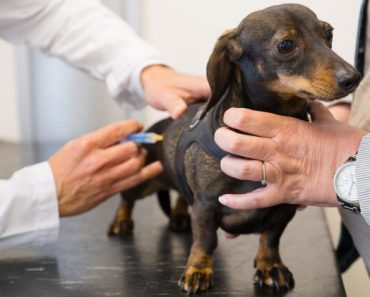
- Allergy Testing: Several types of allergy tests are available for dogs. Consult with your veterinarian about skin tests and blood tests to determine if this is the right path for your pup!
How to Determine if Your Dog has Food Allergies
One of the most effective ways to determine if your dog has a food allergy is through an elimination diet. According to VCA Animal Hospitals, “The best and most accurate method of diagnosing a food allergy is to feed a hypoallergenic diet for eight to twelve weeks as a food trial called an elimination trial. To be a true elimination trial for your dog, this special diet must not contain any ingredients that it has eaten in the past. It also requires that no other foods, treats, or supplements are fed during the trial period, including flavored vitamins and certain parasite preventive.”
Some tips:
- Consult Your Veterinarian: Do this before starting an elimination diet. Your vet can provide guidance, ensure there are no underlying health issues, and help you choose appropriate novel ingredients.
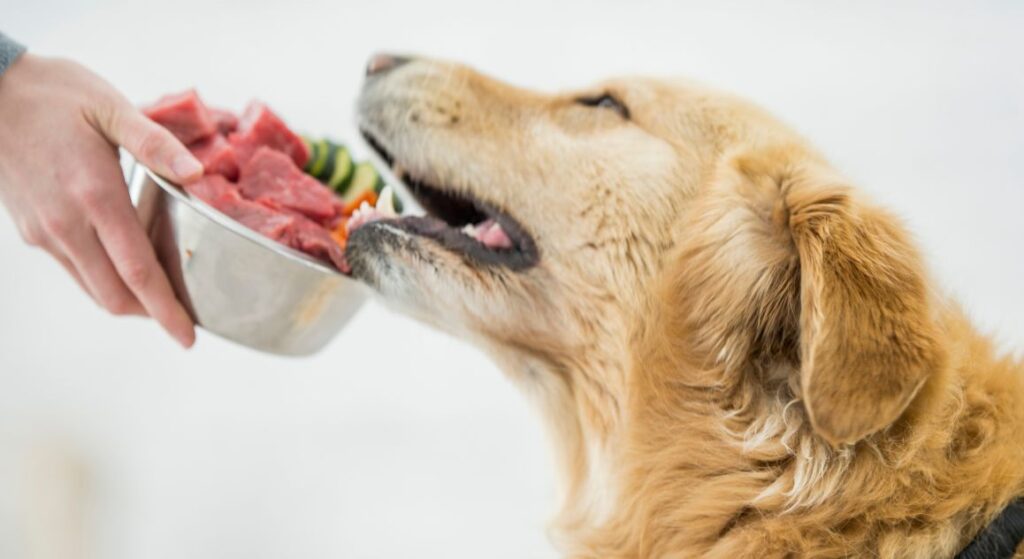
- Choose a Novel Protein and Carbohydrate: Select a protein and carbohydrate your dog has never eaten before. Common choices include venison, rabbit, duck, or fish for protein. You may opt for sweet potatoes as the carbohydrate.
- Start the Diet: Feed your dog only the chosen novel protein and carbohydrate. This means no treats, table scraps, flavored medications, or supplements that might contain potential allergens. Ensure the diet is balanced and meets your dog’s nutritional needs. Store-bought fresh foods made with limited ingredients may be helpful, or you can prepare home-cooked meals under your vet’s guidance.
- Stick with It: Maintain strict adherence to the diet for 8-12 weeks. It can take this long for allergens to clear from your dog’s system and for symptoms to improve. Keep a detailed log of your dog’s symptoms and any changes you observe.
- Reintroduce Ingredients: After the elimination period, reintroduce old food ingredients one at a time. Add a single ingredient back into the diet for 1-2 weeks and monitor for any signs of allergic reactions. If symptoms reappear with the introduction of a specific ingredient, you’ve likely identified the allergen. Remove this ingredient and continue the diet with other safe foods.
Treatment
Unfortunately, there is no real cure for allergies. If your dog suffers from food allergies, your best bet is to perform an elimination diet, pinpoint which foods your dog is allergic to, and avoid those foods moving forward. Managing environmental allergies is a bit trickier since you can’t control the pollen count.
Some things you can do for dogs who suffer from environmental allergies:
- Limit Exposure: According to Pollen.com, “The pollen counts are the highest between 5 am and 10 am, so limiting your outside exposure during those times can be extremely helpful for diminishing your allergies.”
- Use Wipes After Walks/Outdoor Time: When your dog comes inside from a walk, wipe him down with a damp cloth or grooming wipe to remove surface pollen. Wipe his face, paws, the underside of his belly, underarms, groin, tail and anal/genital areas.
- Topical Treatments: Shampoos, sprays, and topical creams containing soothing ingredients can help alleviate skin irritation and itching.
- Keep a Clean Home: Keep your carpets vacuumed and linens washed/changed to keep dust mites to a minimum. Also, don’t line dry them outside (to avoid the pollen)
- Change Air Filters Regularly: Use air filters to help reduce airborne allergens within the home. Make sure to change them regularly!
- Incorporate Allergy-Fighting Foods into Your Dog’s Diet: Check out our list HERE.
If your dog is suffering from an intense allergy flareup and natural remedies just aren’t cutting it, you can talk to your veterinarian about the allergy shot.