
When it comes to feeding our dogs, most pet parents adhere to a consistent routine throughout the entire year. By that, I mean they give their canine companions the same meals and portion sizes no matter the season. But I urge you to stop for a second and think about your dog’s spring, summer, fall, and winter routines. Do they go on the same amount of walks and/or hikes all year long? What about trips to the park where they play games of fetch? The thing is: Winter months typically bring about changes in our dogs’ habits and lifestyles. And these changes may require a reevaluation of their diets. In this post, we’ll delve into winter dog nutrition, exploring how different activity levels and environmental conditions can impact your dog’s dietary needs.
Body Weight
Weight management is a crucial aspect of canine health. Just like with humans, dogs that are obese are more susceptible to a range of health issues. These include cardiovascular diseases, respiratory problems, and a compromised immune system. Excess weight in dogs can also exacerbate conditions such as arthritis, as excess weight places additional strain on the joints. This leads to increased pain/discomfort and reduced mobility.
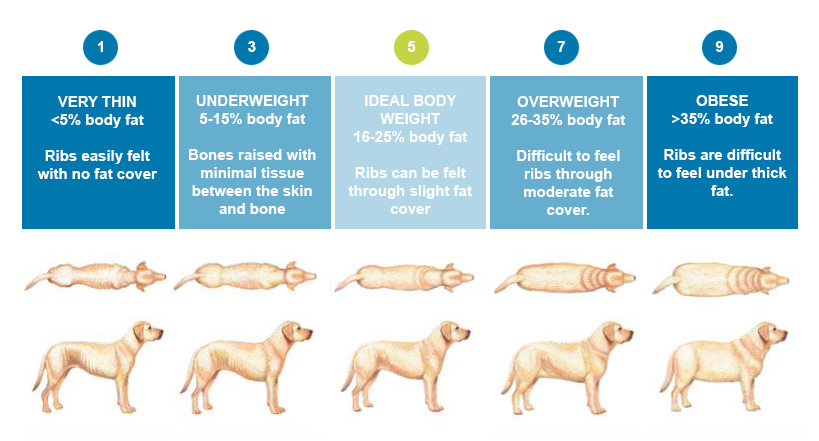
Now get this: According to the Association for Pet Obesity Prevention, 54 % of dogs in the United States are considered overweight or obese. In most cases, it’s because we are feeding our pets more calories than they’re burning off. Which brings us back to the topic of winter nutrition …
The Two Types of Winter Dogs (& Their Basic Dietary Needs)
Winter Slumber – Adjusting for Reduced Activity
As the winter chill settles in, many dogs enter their Couch Potato Era! They go for fewer and shorter walks, take fewer hikes, and don’t participate in as much outdoor playtime. For these less active pups, that means one thing: They aren’t burning as many calories throughout the day. To avoid packing on the pounds, this decrease in movement should be paired with a slight decrease in their regular food. Just don’t fill their bowl with quite as large of a scoop. Or, you can look into swapping their current food/treats for a lower-calorie option.
If you feed traditional dry food, consider transitioning from carb-heavy kibble to a leaner option. My dogs eat The Farmer’s Dog (get 50% off your trial order HERE), which is a gently cooked fresh food subscription service. They’ve eaten it for years and love it. But there are so many low-carb, high-protein options available. For example, if you like the convenience of dry food then look into Sundays for Dogs, an air-dried food made with 90% meat. Prefer raw? Look into a brand like Darwin’s. Or, if you want to give home cooking a try, check out balancing supplements, like BalanceIt!
Along with monitoring calories consumed at mealtime, pay attention to treats. For pudgy pups, steamed green beans, broccoli, carrots, or apple slices make excellent treats. For meat lovers, look into dehydrated single-ingredient treats. I love the treat options from PureBites.
Winter Warriors – Meeting the Needs of Active Dogs
Contrastingly, some dogs thrive in the winter wonderland, staying active despite the colder temperatures. Engaging in extended play sessions and outdoor adventures, these winter-loving pups may actually require additional calories to sustain their energy levels and maintain core body temperature. Addressing their nutritional needs becomes crucial, especially considering the extra energy expended through shivering (a natural mechanism for heat preservation) and other activities.
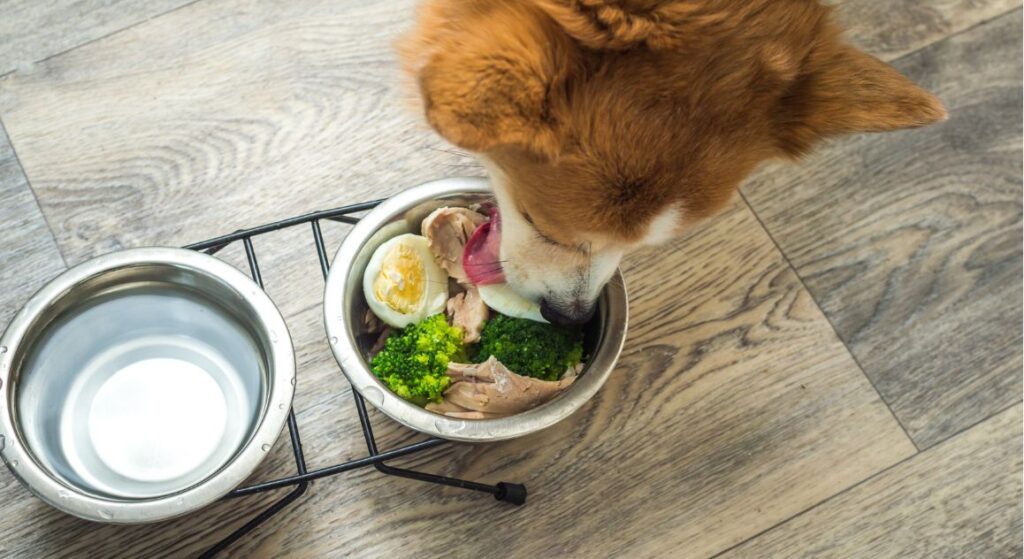
If your dog’s energy level increases and they are now exceeding their average energy expenditure, they may benefit from some extra fat and protein in their diet. A dollop of coconut oil or a few chunks of fresh salmon would make a great addition. If you feed a dry food then you may consider adding a little fresh meat on top. Additionally, moistening their dinners with nutrient-dense options like bone broth not only adds flavor but also provides an extra boost of calories and essential nutrients. While homemade bone broth is wonderful, you can also rely on store-bought options like Stella & Chewy’s, Native Pet, and The Honest Kitchen.
Supplements for Winter Dog Nutrition
- Shedding Solutions: Winter often brings about increased shedding in dogs. The seasonal uptick can be attributed to various factors. Firstly, many dogs, particularly those with double coats, tend to shed their summer coat to make way for a thicker winter coat, a process that can result in more noticeable hair loss. Moreover, the dry and heated indoor environments during winter can lead to increased skin dryness, prompting the shedding of dead or dry hair. To combat excessive hair loss, try incorporating key nutrients like omega-3 fatty acids into your dog’s diet. I squirt a little Native Pet’s Omega Oil into my dogs’ breakfasts every morning and highly recommend it!
- Joint Health Boosters: Cold weather can exacerbate joint issues in some dogs. Introducing glucosamine and chondroitin, along with omega-3 fatty acids, can support joint health and alleviate discomfort. Some wonderful supplement options include Native Pet’s “Relief” chews, Dr. Harvy’s Hip & Joint Soft Chews, and Native Pet’s Omega Oil.
- Hydration Strategies: Winter hydration is often overlooked, yet it’s vital for overall well-being. Encourage water intake and consider supplementing with nutrient-rich options like bone broth or probiotic-rich goat milk. I shared a few options for bone broth above. The Honest Kitchen also makes powdered goat milk – just add water and you’re dog is ready to enjoy! I prefer this product to bottles of raw goat’s milk simply because I have two small dogs and they struggle to finish the fresh stuff.
Always consult with your veterinarian about changes in your dog’s weight and diet.