Leptospirosis (often referred to as Lepto) is an infectious disease that can affect both humans and animals, including our canine companions. In this article, we’ll go over what Lepto is, how dogs contract it, warning signs and symptoms, treatment, and prevention tips!
What Is Leptospirosis In Dogs?
Lepto is an infectious disease caused by spiral-shaped bacteria called leptospires. If your dog becomes infected (we’ll talk about how in just a minute), the bacteria multiply in their bloodstream and eventually move into the tissues. They concentrate in the liver and kidney, causing damage to these organs. Veterinarians say the amount of damage depends on each dogs’ immune system.
Shortly after infection, a dog’s immune system will produce antibodies that respond to and clear most of the Leptospira in the body. Dogs usually recover from mild infections. However, damage done can lead to liver failure and/or kidney failure. In these severe cases, the damage is often irreversible and quickly becomes fatal.
How Do Dogs Contract Leptospirosis?
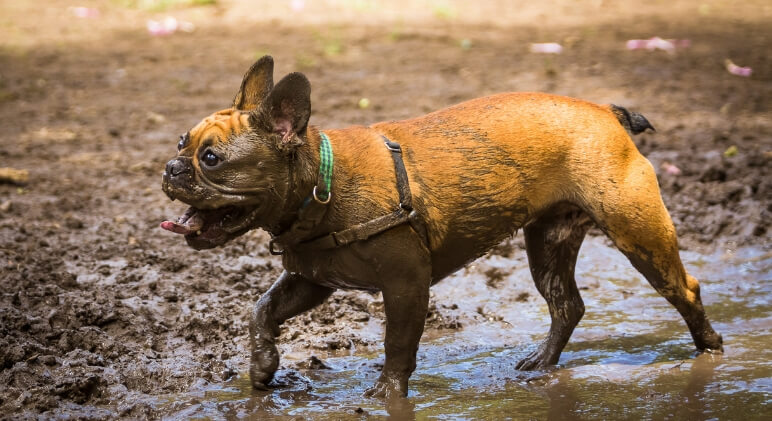
The bacteria that cause Lepto are spread through an infected animal’s urine. This urine can get into the soil, mud, and standing water (like puddles, ponds, streams, and lakes), and survive there for weeks to months. Typically, Lepto is more prevalent in spring, summer, and early fall. Winter conditions tend to lower the risk because the leptospires bacteria don’t tolerate freezing temperatures.
If a dog comes into contact with infected soil, mud, or water, the bacteria will penetrate the soft lining of his nose, mouth, and eyes (especially if your dog has any open wounds). Another way your dog can contract Lepto is by drinking contaminated water.

Warning Signs & Symptoms
Signs vary from dog to dog, and younger animals with less developed immune systems are generally more seriously affected than older animals. But, common warning signs and symptoms include:
- Lethargy and severe weakness
- Sore muscle pain and stiffness
- Fever
- Vomiting
- Diarrhea
- Abdominal discomfort
- Refusal to eat
- Weight loss
- Depression
- Jaundice
- Acute renal failure
- Blood in the urine may occur
- Respiratory distress
Can Dogs Spread Leptospirosis?
Yes! Once a dog has Lepto, they can become a carrier and pass it through their urine too. According to VCA Hospitals,
“In many of these dogs, even those that appear to be well-recovered, small numbers of bacteria survive in the body, especially in the kidney. This low-grade ongoing infection leads to long-term shedding of small numbers of bacteria in the urine. Dogs that have recovered and yet still carry Leptospira in their tissues are called carriers.”

Lepto is a zoonotic disease, which means it’s contagious to humans. Humans can contract Lepto through a dog’s urine, or any of their bodily fluids. If your dog is infected, it’s essential to practice proper hygiene:
- Wear latex gloves when cleaning up after your dog
- If you are cleaning potentially contaminated surfaces, use an antibacterial cleaning solution or a solution of 1 part household bleach in 10 parts water
- Wash your hands regularly
- Avoid doggy kisses
Diagnosis and Treatment
Your vet will need to run several blood and urine tests to properly diagnose Lepto.
Treatment will depend on the level of infection. Two rounds of antibiotics are typically given — one to treat the active infection and another to treat the lingering infection so a dog doesn’t become a carrier. More serious cases may also require fluids, a blood transfusion, and a hospital stay. Your veterinarian will discuss treatment details with you.
Prevention
- Don’t let your dog drink standing water from puddles, ponds, and lakes.
- Avoid doggy swims in ponds and lakes.
- Keep rodent problems under control. Rodents, such as rats and mice, can carry and spread the bacteria.
- If you live in a rural, high-risk area, your vet may recommend vaccination. The American Animal Hospital Association considers Leptospirosis a “non-core” vaccine for dogs. It’s not recommended unless there is a good chance your dog will be exposed. While the vaccine does not provide 100% protection, it’s said to make the disease milder if an infection does occur.