
Have you ever heard that adorable dog parent saying, “My Kids Have Paws”? Well, I have two furkids … and they do have paws. And, since you’re reading this, I’m going to guess you, too, have a kid with paws! It’s up to us to care for and protect those precious canine tootsies. In this article, we dive into seven common paw problems and share ways to prevent and/or treat them.
1. Nail Issues
Tap, tap, tap. Are those your pup’s nails tapping on the floor? If so, it’s time to trim those babies! Unlike our trips to the salon for a fresh coat of polish, pawdicures aren’t cosmetic. When a dog’s nails tap on hard surfaces, not only does it make it tougher for them to walk, but it also pushes their nails up into their nail beds. Ouch – that can be painful! Along with putting pressure on the toe joints, it can also force the toes to twist to the side, resulting in soreness or even arthritis. Make sure to trim your dog’s nails regularly to avoid an issue. HERE is a step-by-step tutorial for how to trim your dog’s nails (whether they have white or black nails).
Long nails aren’t the only nail issues found in dogs. When trimmed improperly – or not at all – ingrown nails can occur. Plus, during playtime, a dog’s nail can catch on something. Torn and fractured nails can happen … and it’s a very painful experience for our pups. If you find your pup limping and discover the source is a torn nail, schedule a vet appointment.

2. Allergies
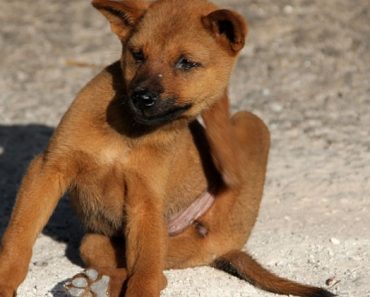
When it comes to allergies, people typically experience respiratory symptoms. We may sneeze a lot and have a runny nose. Our eyes may feel itchy and our throat may feel tight and scratchy. Dogs, on the other hand, tend to experience skin issues. And one of the most commonly impacted areas is a dog’s paws. If you notice your dog intensely licking and biting at his paws, it may be a sign your pup is suffering from seasonal allergies.
Unfortunately, there’s no real cure for allergies. However, there are some things you can do to help ease issues. For example, during peak times for seasonal allergies, leave a pack of paw/grooming wipes near your door and give your furkid a good wipe down after walks. This will help remove some surface allergens. Get more tips in THIS article.

3. Fungal and Bacterial Growth
Various species of bacteria and fungi live on your dog’s paw pads. And, for the most part, it’s nothing to worry about. In fact, bacteria (mainly from sweat glands) is what causes the oh-so-popular Frito Paws aroma. However, sometimes bacteria and fungi get out of control … and that over-growth can lead to infection.
Signs of an infection in the paws include:
- Licking and gnawing at the paws
- Red and inflamed paw pads
- Brown saliva stains on paw pads due to excessive licking
- Puss or discharge oozing from the paw
- Foul smell
- Reluctance to walk
Many times, these infections are secondary to allergies. Talk to your vet for a proper diagnosis and treatment.

4. Dry and Cracked Paw Pads
Have you ever experienced dry skin? Chances are, you have. Whether it’s your face, hands, feet, or another part of your body, the feeling of dry skin is incredibly uncomfortable. Well, it’s the same for our pups. Several things can dry out their paw pads. A few examples:
- Hot pavement
- Salted roads due to wintery conditions
- Exposure to rough surfaces (like running on the concrete for a long period or playing on a tennis court)
- Excessive paw licking due to allergies or infection
Be mindful and protect your pup’s paws throughout the year. Plus, if you notice your dog’s paws are drying out/cracking, treat them with high-quality paw wax. My favorites are THESE healing and nourishing balms by the Natural Dog Company. Their waxes are all vegan, fragrance-free, and handcrafted in the US with no artificial preservatives or harmful ingredients.
5. Burns & Blisters
Have you ever walked outside barefoot and immediately wished you had shoes? The image of quickly lifting one foot after another (as if you’re doing a little dance) comes to mind. Because, when the weather starts warming up, the pavement temp rises too … and it can quickly become too hot for our little tootsies to handle. But what about our dogs? A huge misconception that many people have is: A dog’s paws can tolerate anything. That’s not true. Just like human feet, paws can crack, blister, and bleed.
When heading out for a walk, take a second to place your hand or bare foot on the pavement to check the heat. A good rule of thumb: If you can’t tolerate the temperature for at least 10 seconds then it’s too hot for your pup. One of the easiest things you can do is change up the times you go for long walks. Try going early in the morning and later in the evening, when the sun isn’t at its strongest. During the hot afternoon hours, if your pooch needs a potty break, try sticking to grassy areas.
6. Cuts
Accidents happen. If your pup spent too much time playing on a rough surface or accidentally stepped on something sharp (like a pointy rock, sharp stick, shards of broken glass, etc.), they could experience a cut on their paws. I always keep a first aid kit on hand, filled with wound cleaner and bandages. I highly recommend you keep one in arm’s reach as well. Check out THIS article for a list of items to keep inside your DIY Pet First Aid Kit.

7. Cysts
Cysts, lumps, bumps, and growths are common in dogs. They can happen throughout the entire body, including their paws. If you spot a growth on your pup’s paw or in-between toes, schedule a vet appointment.