
When you first welcome a new puppy into your home, you’ll likely begin training sessions ASAP. Investing time into training is crucial, as it instills good manners, reduces the risk of accidents (since your puppy is more likely to listen to you in potentially dangerous situations), and allows you to foster a relationship built on trust and communication. When you first begin puppy training, you will inevitably hear the phrase: “High-Value Training Treats.” But, what does that mean? Let’s dig in!
What are High-Value Dog Treats?
High-value treats are the secret sauce of positive reinforcement dog training. They’re designed to captivate your furry family member’s attention and ignite their enthusiasm for learning. To put it simply, they’re a form of currency. Just like you go to work and receive that glorious paycheck … your dog puts in some work and gets a super yummy snack. The key attributes of high-value treats encompass smell, taste, texture, and size, each playing a vital role in making them irresistible to your canine companion.
- Novelty: Dogs often find new experiences more exciting. That’s why high-value treats are typically a special food … one your dog only gets during training sessions.
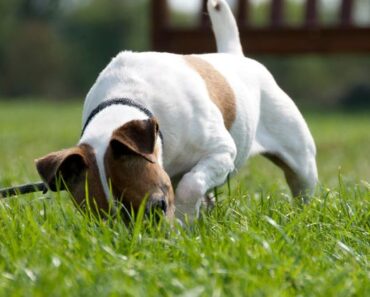
- Smell: Dogs have powerful sniffers and a strong-smelling treat will help immediately intrigue your pup.
- Flavor: High-value treats should have a strong flavor that dogs find enjoyable. Of course, just like people have different preferences, so do our dogs. So, it’s important to learn what flavors make your dog’s tail wag the most.
- Texture: Some dogs may prefer soft and chewy treats, while others may like crunchy ones. Understanding your dog’s texture preferences can help you choose treats they find more rewarding.
- Size: High-value treats are often small in size, making them easy to consume quickly. Plus, since you’ll be giving out a lot of treats during each training session, it’s important to keep each bite small (to avoid over-eating).
Treat Examples
- Freeze-Dried Beef Liver: Freeze-dried liver takes center stage with its potent aroma and protein-rich goodness. While there are a lot of brands that offer beef liver treats, I love the PureBites brand. They’re made with just one ingredient! Note: Keep each bite small. Since liver is very rich and offers up way more nutrients than muscle meat, a little goes a long way … you don’t want to overfeed.
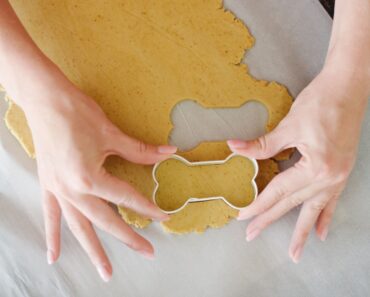
- You can also make your own homemade liver treats! Check out THIS recipe.
- Freeze-Dried Turkey: If you’re worried about feeding too much organ meat during your training session, this is another good option by PureBites.
- Boiled Chicken: If your pup prefers a moist treat then simply boil up some plain chicken breast!
- Dehydrated Sardines: Fish is a captivating treat because it offers up a strong aroma. These are easy to make at home. Simply pop open a can of sardines in water, place on a baking sheet, and dehydrate in the oven!
- Vital Essentials Freeze-Dried Minnows: These tasty morsels offer an enticing aroma, strong flavor, and key nutrients!
- The Honest Kitchen’s Cod Crisps: Made with only two ingredients (cod and blueberry), these smelly treats are bound to make your pup’s tail wag. Break them into smaller pieces before your training session to avoid overfeeding.
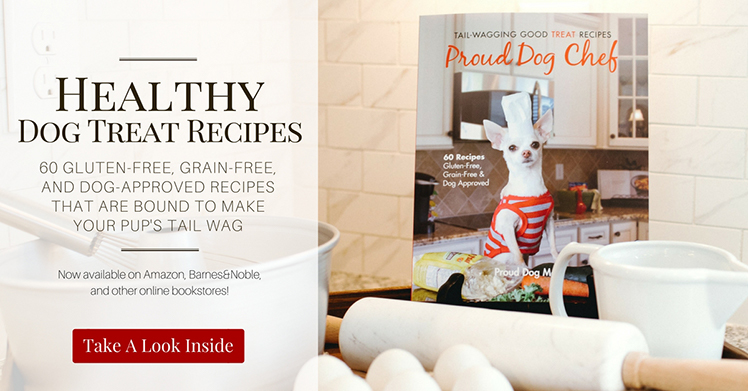
- Chicken, Turkey, Beef, or Salmon Jerky: If you’re into homemade treats, thinly slice up some meat and dehydrate it in the oven (or a dehydrator). I’ve linked to my homemade chicken jerky recipe. You can find my beef and salmon jerky recipes in my cookbook, Proud Dog Chef: Tail-Wagging Good Treat Recipes.
- Cheese: Plain cheese can be a high-value treat for dogs when given in moderation. Many dogs enjoy the taste and texture of cheese, making it an appealing option for training sessions. However, pet parents should be cautious about the calories and fat content.
Note
You may also see lists that call hot dogs and bacon bits good high-value treat options, however, I would caution against these. While dogs may love the flavor, both hot dogs and bacon are high in fat, salt, and preservatives, which can contribute to obesity and other health issues in dogs. To prioritize your dog’s well-being, it’s best to choose healthier alternatives.
When to Use High-Value Training Treats
- Introducing New Commands: When teaching your puppy new commands or behaviors, such as “sit,” “stay,” or “come,” incorporating high-value treats enhances motivation. The novelty and deliciousness of these treats act as a powerful incentive, encouraging your pup to associate positive experiences with learning new commands.
- Training Sessions with Higher Difficulty: As you progress in your training sessions and introduce more challenging tasks, the use of high-value treats becomes crucial. These treats maintain your dog’s engagement and enthusiasm, making the learning experience enjoyable and rewarding even in more complex training exercises.
- Building Recall and Off-Leash Skills: High-value treats are particularly effective when working on recall and off-leash skills. Reinforcing a strong recall with irresistible treats creates a powerful incentive for your dog to return to you promptly, enhancing safety and control during off-leash activities.
- Distraction-Prone Environments: In environments where there are plenty of distractions, like parks or dog-friendly stores, high-value treats become invaluable. The heightened appeal helps redirect your dog’s attention back to you, reinforcing positive behavior amidst potential distractions.
- Overcoming Fear or Anxiety: Dogs may experience fear or anxiety in certain situations, such as vet visits, grooming appointments, or encounters with new people. High-value treats can serve as a comforting and positive association, helping your dog build confidence and overcome anxiety-inducing scenarios.