
As your furry family member ages, it’s natural to notice changes in their behavior, physical abilities, and overall health. One common – and concerning – change in aging dogs is the onset of blindness. While the thought of your canine companion going blind is scary, early detection and proactive care can significantly improve their quality of life.
Common Causes of Blindness in Dogs
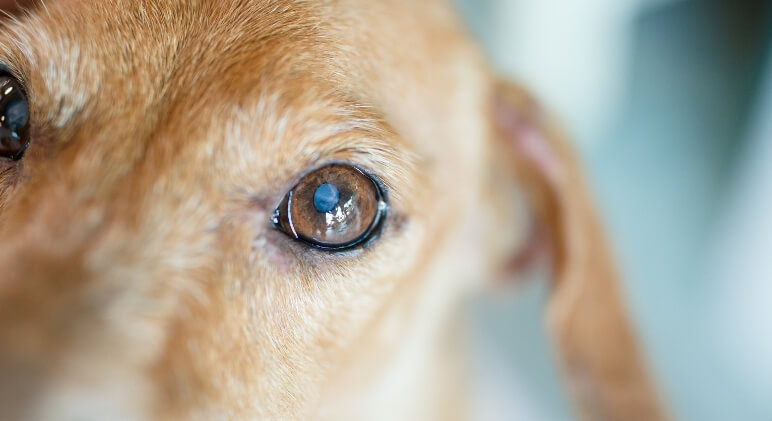
- Cataracts: Dogs who suffer from cataracts will typically develop a cloudy, whitish, or crackly appearance in their eye/s. This clouding of the eye lens prevents light from passing through, ultimately causing a loss of vision. Cataracts can appear in one or both eyes and it can progress at varying rates. It’s crucial to get an accurate diagnosis and discuss an appropriate treatment plan with your vet.
- Glaucoma: Glaucoma is a condition where the aqueous humor (the eye’s fluid) doesn’t drain properly. Since the eyes will continue to produce fluid, failure of proper drainage leads to increased pressure within the eyes. This increase in pressure causes damage to the internal structures of the eyes, leading to visual changes and can eventually cause blindness. This is a very serious condition and must be treated by the vet.
- Progressive Retinal Atrophy (PRA): Progressive Retinal Atrophy is a hereditary eye condition in dogs characterized by the gradual degeneration of the retina, leading to eventual blindness. It begins with night blindness due to the deterioration of rod cells, followed by the loss of daylight vision as cone cells are affected. PRA affects both eyes simultaneously and is painless. PRA is diagnosed with an eye exam focusing on the retina.
- Diabetes: High blood sugar levels associated with diabetes cause changes in the lens of the eye, leading to the formation of cataracts. Additionally, diabetes can damage the blood vessels in the retina, the light-sensitive tissue at the back of the eye, resulting in diabetic retinopathy. This condition reduces blood flow and oxygen to the retina, causing the retinal cells to deteriorate and potentially leading to blindness.
- Injury or Trauma: Physical damage to the eye can result in blindness.
- Infections: Severe infections can cause blindness if left untreated.

Top Signs Your Dog is Going Blind
Recognizing the early signs of blindness can help you provide the necessary care and adjustments for your dog. Here are some of the most common indicators. Remember: These signs alone may not prove your dog is losing their vision, but together they can paint a clearer picture of your dog’s eye health. If you notice any of these indicators, you must make an appointment with your veterinarian for a thorough examination.
Bumping into Objects
Has your dog started to regularly bump into your furniture or walls? If so, it’s likely because they’re struggling to see. As vision diminishes, dogs lose their ability to navigate spaces … even familiar ones. This can be especially noticeable if you’ve recently rearranged your furniture or moved to a new house, where your dog can no longer rely on memory to move around.
Difficulty Finding Toys or Food
Struggling to locate toys, treats, or food bowls that are usually easy to find is another clear indicator. Deteriorating vision makes it harder for dogs to see and locate objects, even in familiar settings. You might notice your dog sniffing more to compensate for their reduced vision.
Reluctance to Move
As a dog’s vision declines, you may notice them hesitating to go up and down stairs, jump onto furniture, and explore new areas. Your once adventurous dog is starting to stick to familiar areas and play it safe. It makes sense … they aren’t moving around as confidently and fear they may get hurt.
Behavioral Changes
Vision loss can be both disorienting and stressful for your dog, leading to behavior changes. You may notice signs of increased anxiety, clinginess, or even aggression (reacting defensively to unexpected touches and sounds). Struggling to see may mean they’ll become more dependent on you.
Eye Changes
If your dog’s eyes are becoming cloudy, hazy, red, or appear swollen then you’ll want to get them checked immediately. Physical changes in the eyes can indicate underlying conditions, like cataracts or glaucoma. These conditions often progress slowly, so make sure to monitor your dog’s eyes regularly.
Pawing at Eyes
Excessive pawing or rubbing of the eyes can indicate discomfort or vision problems. This behavior often signals that your dog is experiencing pain or irritation in the eyes, which could be due to infections, injuries, or conditions like glaucoma. Persistent eye discomfort should always be evaluated by a veterinarian.
Protecting Your Pup’s Eyes
While some causes of blindness are inevitable, there are steps you can take to support and nourish your dog’s eye health:
- Regular Veterinary Checkups: Regular eye exams can catch issues early and provide treatment options to slow down or prevent blindness.
- Balanced Diet: Ensure your dog has a diet rich in antioxidants, vitamins C and E, beta-carotene, and omega-3 fatty acids, which are known to support eye health.
- Supplements: Consider supplements specifically designed for eye health, like those containing lutein and zeaxanthin.
- Protective Measures: Protect your dog’s eyes from injury and excessive sunlight, which can exacerbate certain conditions.
- Grooming: Regular grooming around the eyes can prevent infections and irritations.
Caring for a Blind Dog
Caring for a dog with vision loss requires patience, understanding, and a few adjustments to your regular routine. Here are some tips to help you manage and care for a blind dog:
Maintain a Consistent Environment
As your dog loses their vision, it’s best to keep your furniture and other large household items in the same place. This type of consistency will help your dog navigate more easily and reduce the risk of accidents. Additionally, keep your floors clear of clutter!
Keep a Predictable Routine
Speaking of consistency, stick to a solid daily routine for feeding, walking, and playtime. Predictability helps reduce anxiety and builds confidence in a blind dog.
Work on New Commands
Your dog will rely heavily on sound cues, so teach your dog to follow your voice. Work on new verbal cues, like “step up,” “step down,” “left,” and “right.” Mastering these commands can help your dog navigate the world a bit better.
Create Safe Zones
Establish safe zones in your house, where your dog can go to feel safe/secure. Provide a comfortable, familiar bed where your dog can rest without fear of bumping into things. Also, use baby gates to block off hazardous areas, like staircases.
Use Assistive Devices
If your dog has completely lost their vision, consider using a harness with a handle to help guide your dog during walks. Also, products like halo vests can help protect your dog’s head and alert them to obstacles.
Regular Veterinary Care
Schedule routine checkups with your veterinarian to monitor your dog’s overall health and address any changes related to their vision and behavior.