
The garage is often seen as a safe haven for parking your car and storing holiday decor. But, it can actually be a treasure trove of dangers for your furry family member. This seemingly innocuous space is often packed with toxic chemicals, sharp tools, and other harmful substances that pose significant risks to your dog’s health and safety. Being aware of these hazards is crucial to prevent accidental poisoning and ensure your dog’s well-being. Read on to discover the top poisons lurking in your garage.
1. Antifreeze (Ethylene Glycol)
If you drive a car, chances are, you’ve heard of antifreeze. During the hot summer months, antifreeze helps to prevent your car’s engine from overheating. It does this by raising the boiling point of water in the cooling system. On the flip side, during the colder months, it prevents that same water from freezing. Antifreeze also helps to protect your engine from corrosion. While it plays an important role in your car’s health, it also poses a great danger to our dogs…
The active ingredient in most automotive antifreeze products is ethylene glycol, a sweet-tasting, odorless liquid, that’s highly toxic to dogs. If antifreeze leaks from a car or spills onto the ground, many dogs and cats will happily prance over and lick from the puddle. Or, if they walk through it, they may lick it off their paws. It’s important to know, even a few licks are very dangerous for our pets, as small amounts of ethylene glycol can be deadly. According to the Pet Poison Helpline, “As little as a tablespoon can result in severe acute kidney failure in dogs, while as little as 1 teaspoon can be fatal to cats.”
The symptoms your dog experiences will depend on how long it’s been since ingestion. That’s why veterinary experts break ethylene glycol poisoning into three stages. Find out more in THIS article.

2. Rodenticides (Rat and Mouse Poisons)
Mice and rats are notorious for trying to get inside garages, basements, attics, and sheds as they search for a cozy place to reside. To avoid unwanted little tenants, many households put out rodent poisons. But, what many people don’t realize is they pose a serious danger to our dogs. Here’s the thing: Rodenticide is designed to have an enticing flavor, to attract rodents. But, in households with pets, these poisons can lure in more than just rats and mice. Dogs, too, can find the flavors intriguing enough to sniff and lick. Ingesting even a small amount of rat poison can be deadly to dogs. In THIS article, we dive into the different types of rat poisoning and how they can each impact your pooch.

3. Insecticides
Insecticides are widely used to control pests, but did you know they can be highly toxic to dogs? These products often contain chemicals such as organophosphates, carbamates, pyrethroids, and neonicotinoids, which can interfere with the nervous system of insects—and unfortunately, pets as well. When a dog is exposed to insecticides — either through ingestion, skin contact, or inhalation — the toxic substances can rapidly be absorbed into their system, leading to poisoning.

Graph Credit: PetMd
The symptoms of insecticide poisoning in dogs can vary depending on the type and amount of exposure. Signs can include excessive drooling, vomiting, diarrhea, weakness, difficulty breathing, tremors, muscle spasms, and, in severe cases, death.
4. Fertilizers
Do you love to garden? If so, you probably have bags of fertilizer stored in your garage, and you’ll want to keep them away from Fido. According to the Pet Poison Helpline: “Most ready-to-use fertilizer products intended for the average consumer are not highly toxic but pose a risk for irritant effects such as dermal irritation, vomiting, diarrhea, and inappetence. Exposure to industrial, concentrated, or undiluted products pose a more significant risk for poisoning, although such events are uncommon in companion animals.” They say the most concerning ingredients found in fertilizers include bone meal, blood meal, iron, nitrates, urea, and insecticides.
Additionally, if your dog consumes massive quantities of fertilizer it can cause clumping and lead to a foreign body obstruction.
5. Paints and Solvents
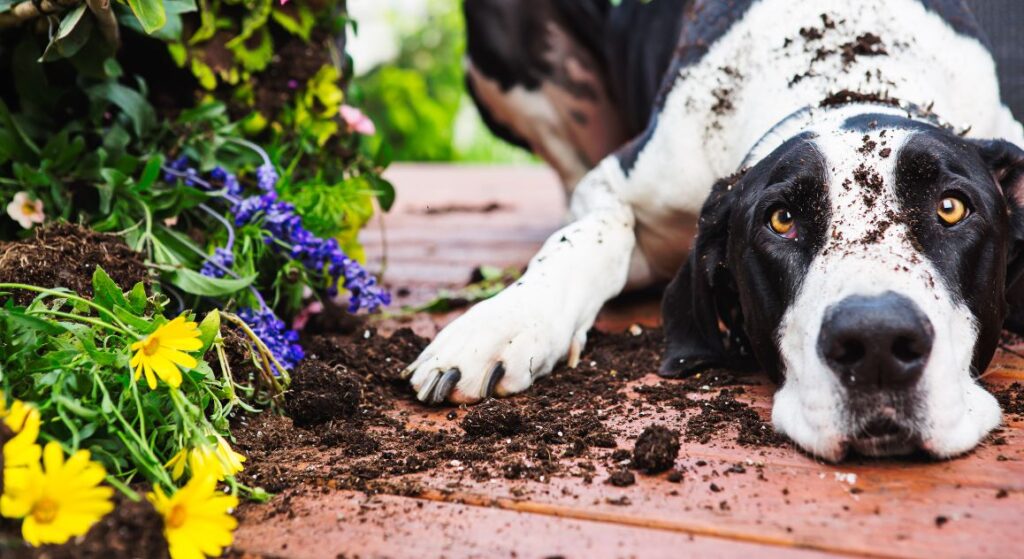
Paints, paint thinners, and other solvents … oh my! If you’re doing even the most basic home improvement project then you likely have a few cans in your garage. If so, keep them up high and out of your pup’s reach because they usually contain toxic chemicals that are harmful to your dog if inhaled or ingested. Symptoms of poisoning include vomiting, difficulty breathing, and neurological symptoms such as tremors or seizures. Along with proper storage, when painting, ensure proper ventilation.

6. Glues and Adhesives
Glues and adhesives, common in many garages for various DIY projects, pose health risks to dogs if ingested … or even if they come into contact with their skin.
According to the Pet Poison Helpline, “Glues that contain Diisocyante, Diphenyl methane diisocyanate, Phenylisocyanate, Toluene diisocyanate, and Hexamethylene diisocyante are likely to cause expansion in the stomach and can lead to foreign body obstruction.” If your dog ingests glue that expands/hardens inside their stomach, they may need surgical intervention. Pet Poison Helpline reports, “Super glue (cyanoacrylates) does not cause expansion in the stomach.” However, you still don’t want your dog coming in contact with it! The symptoms of glue or adhesive poisoning can vary depending on the type and amount of product ingested or inhaled.
7. Cleaning Products
It’s important to keep cleaning products out of your dog’s reach because ingesting even a small amount of such toxic chemicals can have life-threatening effects on your furry family member. If your dog has ingested bleach-containing products, soaps, cleansers, or other harsh chemicals, contact poison control right away and seek out emergency veterinary care. Symptoms of poisoning include drooling, vomiting, difficulty breathing, and chemical burns in the mouth or esophagus.

8. Batteries
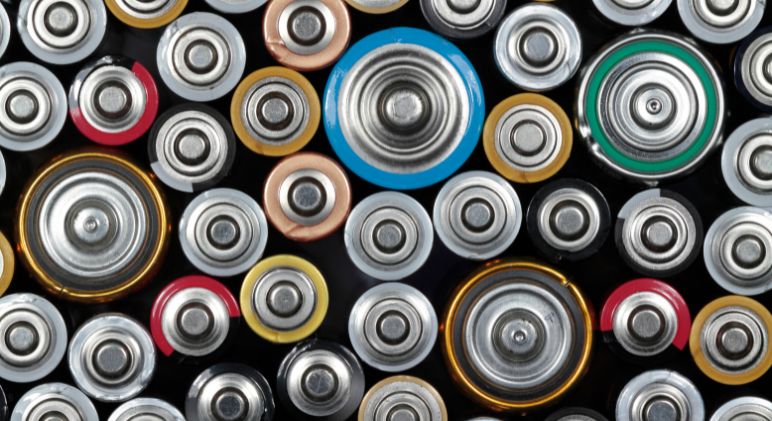
Batteries are found almost everywhere in our homes: remote controls, toys, clocks, flashlights, your wireless computer mouse, garage door openers, certain home decor, and the list goes on. With curious canines who love to explore the world with their mouths, it’s pretty easy for them to get ahold of a battery-filled item and dig their teeth into it. There are a variety of battery types, and all are toxic to our dogs. According to the Pet Poison Helpline, “The most common types of batteries ingested or chewed on by dogs are alkaline dry cell batteries (e.g., 9-volt, D, C, AA, AAA) or button/disc batteries.”
- Acid and Alkaline Batteries – This type of battery uses a corrosive material, like potassium hydroxide or sodium, to generate current and produce electricity. When punctured or swallowed, the alkaline or acidic materials can leak out and cause serious injury to a dog’s mouth and other body tissues. This can lead to deeply penetrating ulcers.
- Button and Disc Batteries – The size and shape of these batteries make them a choking hazard. Plus, according to Preventative Vet, “Disc and button batteries are especially dangerous because they allow an electric current to contact the delicate tissues of the gastrointestinal (GI) tract. This can result in severe damage or perforation of the lining of the esophagus, stomach, or small intestine.”
- Lithium Disc Batteries – These batteries can cause a lot of damage in a short amount of time. Even one 3-volt battery can result in severe necrosis (AKA death of tissue) to the GI tract or esophagus within 15-30 minutes.
In THIS article, we dive into the common symptoms and what to do if your dog ingested a battery.
The List Goes On!
While the above items conclude our list, there are many other hazards to watch for in the garage. Be mindful of:
- Tools such as saws, drills, and screwdrivers can cause physical injury to your dog.
- Other sharp objects, like nails and screws, can also injury your dog.
- Small plastic or rubber parts can be a choking hazard or cause intestinal blockages.
- Mothballs contain chemicals like naphthalene or paradichlorobenzene, which are toxic if ingested.
- Don’t cure epoxy resin around your dog. According to Healthcare For Pets, “While the two ingredients of epoxy resin, the resin and the hardener, are not toxic on their own, they release toxic fumes when mixed. These fumes are adhesive, which means they can cause oral and respiratory irritation if your pet inhales them.”
What to Do if Your Dog Is Poisoned
If you suspect your dog has ingested a toxic substance, contact your veterinarian or an emergency pet poison hotline immediately. Do not induce vomiting unless instructed by a professional, as some substances can cause more damage if vomited.